Pins parasols roses au coucher du soleil — History & Facts
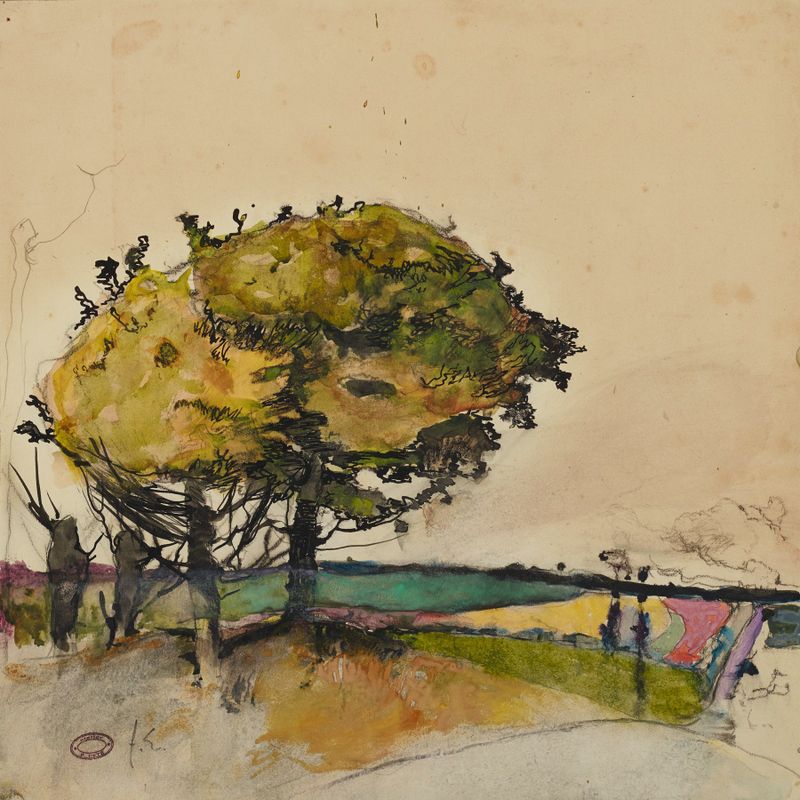
In the interplay of color and form, loss transforms into something poignant and beautiful, inviting us to explore its depths. Look to the center of the canvas, where a cluster of muted roses unfurls under the warm embrace of a setting sun. Their petals, rendered in delicate strokes, seem to catch fleeting light, hues of gold and soft pink blending harmoniously. Notice how the parasols arch gracefully above, their shapes echoing the curves of the blossoms below, creating a dialogue that binds them together.
The gentle gradients of the background mirror the transient nature of twilight, enveloping the scene in a tender melancholy. Amidst the beauty lies a complexity of emotion. The roses, while vibrant, appear to droop slightly, suggesting a sense of longing or reminiscence, as if they carry the weight of unspoken farewells. The parasols, though sheltering, stand solitary, hinting at absence—their purpose rendered futile as twilight falls.
This contrast between light and shadow, vibrancy and decay, creates an emotional tension that resonates with those who have experienced loss. Florence Esté crafted this piece during a period of introspection, likely in the early 20th century, when she sought to capture the ephemeral beauty of life through her brush. At that time, the art world was shifting towards modernism, and Esté was influenced by her desire to convey deeper emotional truths through color and form. The surrounding context of change and discovery in her life and art reflects the poignant themes present in this work.