
Arcadian Landscape — History & Facts
Did the painter know this moment would outlive them? In the stillness of an idyllic past, time seems to pause, enveloping the viewer in an embrace of serenity and reflection. Look to the left at the gentle rise of the hills, their soft undulations bathed in a warm golden light that suggests the late afternoon sun. Notice how the meticulously painted trees, lush and verdant, offer a comforting shelter to the tranquil scene unfolding below. The careful brushwork reveals a harmony of color, with rich greens and earthy browns contrasting against the pale blue sky, creating a sense of peace that envelops the landscape. Delve deeper into the composition, where the figures scattered throughout evoke a sense of nostalgia and yearning for simpler times.
The placement of a solitary shepherd, his lone figure amid the expanse, speaks to the human connection with nature—a reminder of transience in a world ever in motion. The distant mountains serve as silent witnesses to this moment, hinting at the passage of time and the permanence of nature against the ephemerality of human existence. In 1813, while residing in the Netherlands, the artist crafted this piece amidst a burgeoning Romantic movement that celebrated the beauty of the natural world. Pieneman was influenced by the changing cultural landscape of Europe, where nature was becoming a refuge from the chaos of modernity.
His work reflected not only personal introspection but also a collective desire to reconnect with a more harmonious existence, a theme that resonates through the ages.
More Artworks by Jan Willem Pieneman
Browse all →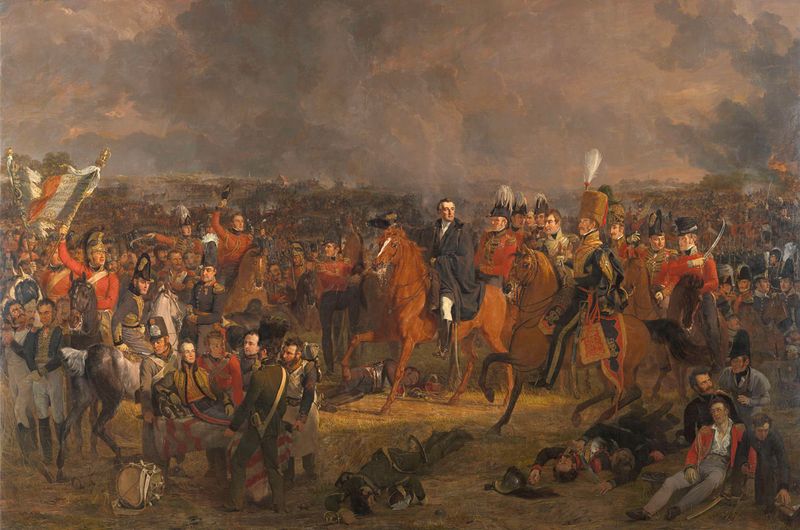
The Battle of Waterloo
Jan Willem Pieneman

Triumvirate Assuming Power in the Name of the Prince of Orange, 21 November 1813
Jan Willem Pieneman

Lodewijk Napoleon bezoekt de ruïnes op het Rapenburg te Leiden na de ontploffing van het kruitschip op 12 januari 1807
Jan Willem Pieneman
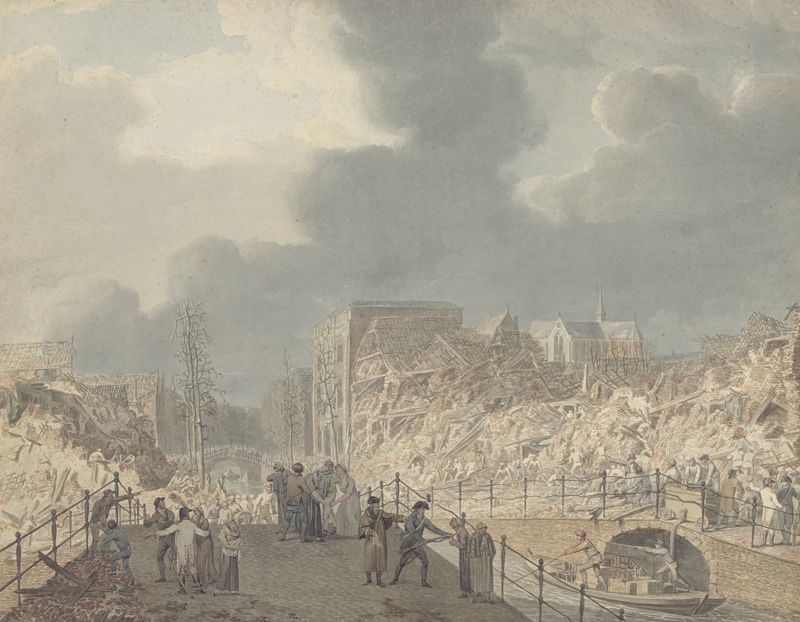
Gezicht op de ruïnes op het Rapenburg te Leiden na de ontploffing van het kruitschip op 12 januari 1807
Jan Willem Pieneman
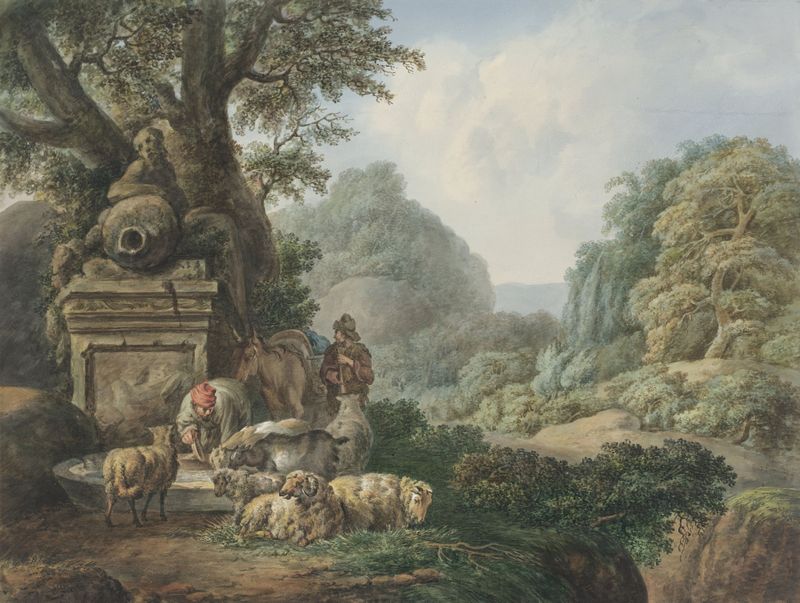
Landschap met herders bij een waterplaats
Jan Willem Pieneman





