
Triumvirate Assuming Power in the Name of the Prince of Orange, 21 November 1813 — History & Facts
In a world unmoored by conflict, does history find its voice in vibrant strokes or in the silence of unremembered sacrifices? Look to the center of the canvas, where the three figures of the triumvirate stand resolute, their expressions a blend of determination and hope. Notice how the interplay of light and shadow accentuates their features, with a soft glow illuminating the Prince of Orange’s emblem, a potent symbol of unity. The rich color palette evokes the fervor of a nation on the brink of resurgence, pulling the viewer into a moment steeped in gravitas. Beneath the surface, the painting reveals emotional tensions that speak to the duality of triumph and burden.
The figures, while united in purpose, reflect the weight of their responsibilities—each gaze hints at unspoken fears and the fragility of their newfound power. The contrasting textures of their attire further emphasize the stark differences between the idealism of their vision and the harsh realities they face. In every brushstroke, there’s a longing for stability amidst the chaos, a yearning for a brighter future tempered by the shadows of their past. In the late 1820s, the artist, influenced by the tumultuous political landscape of the Netherlands, sought to capture a pivotal moment in his nation's history.
Having witnessed the shift in power after years of foreign domination, the artist utilized this piece not only to celebrate the triumvirate's ascendance but also to reflect on the broader implications of leadership and collective memory. This work, created in a time of renewal, resonates with the desire for legacy amidst the echoes of revolution.
More Artworks by Jan Willem Pieneman
Browse all →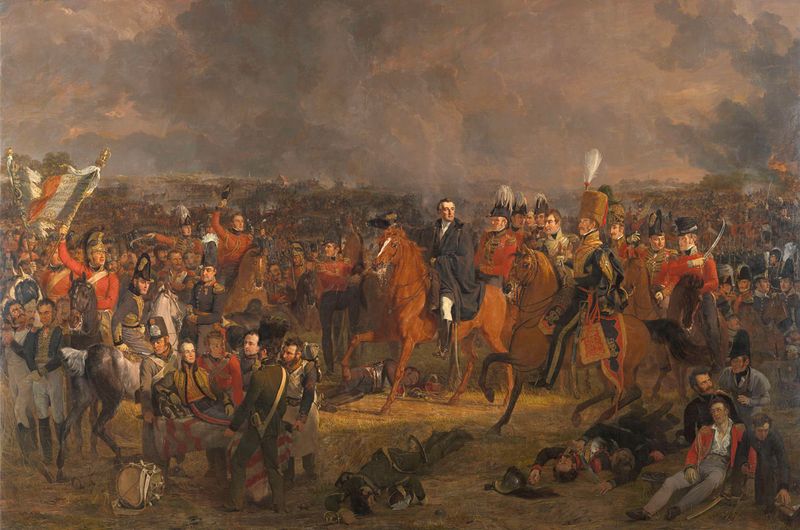
The Battle of Waterloo
Jan Willem Pieneman

Lodewijk Napoleon bezoekt de ruïnes op het Rapenburg te Leiden na de ontploffing van het kruitschip op 12 januari 1807
Jan Willem Pieneman
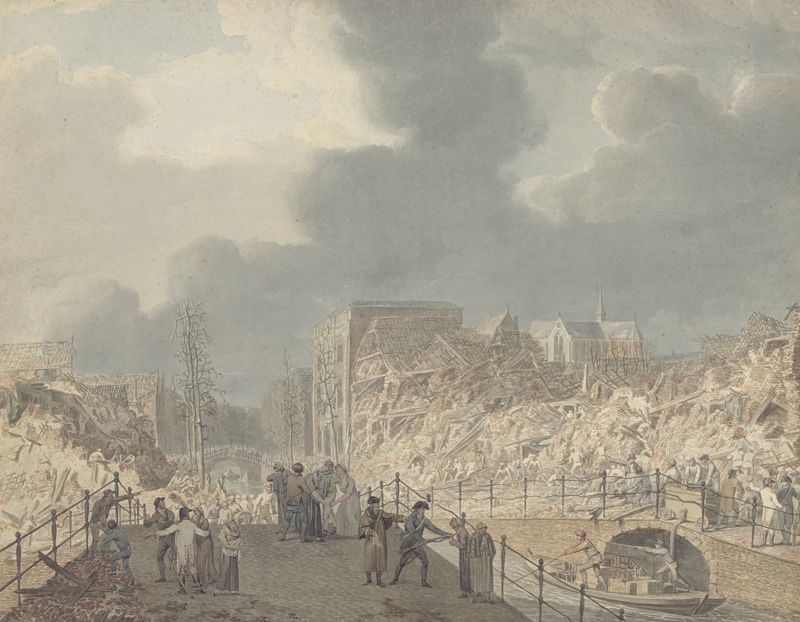
Gezicht op de ruïnes op het Rapenburg te Leiden na de ontploffing van het kruitschip op 12 januari 1807
Jan Willem Pieneman
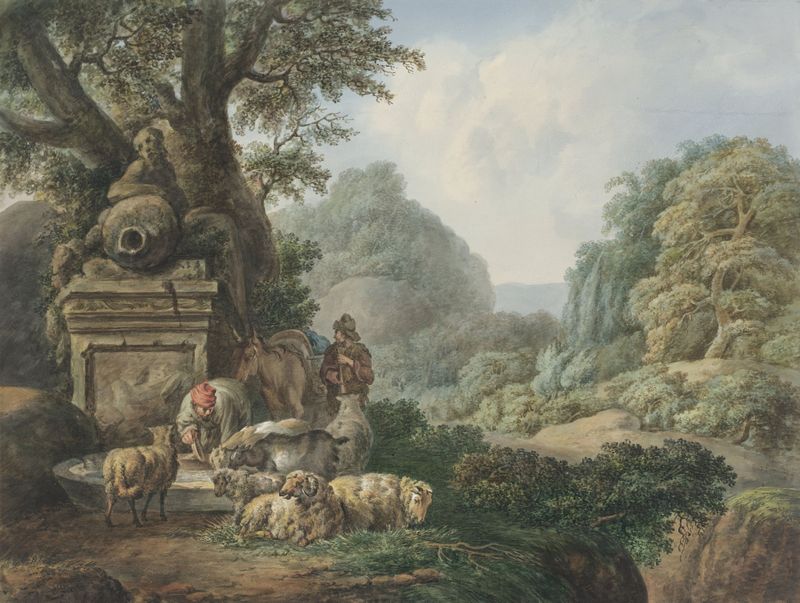
Landschap met herders bij een waterplaats
Jan Willem Pieneman

Arcadian Landscape
Jan Willem Pieneman
More Historical Art
Browse all →
The Night Watch Militia Company of District II under the Command of Captain Frans Banninck Cocq
Rembrandt van Rijn
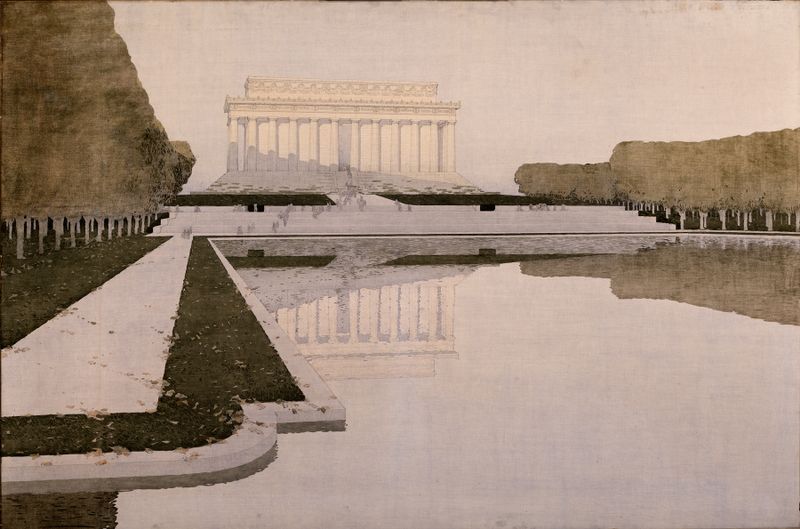
Lincoln Memorial
Henry Bacon
The Third of May 1808
Francisco de Goya

Isaac and Rebecca, Known as ‘The Jewish Bride’
Rembrandt van Rijn
The Charge of the Mamelukes (1814)
Francisco de Goya

De vier ruiters van de apocalyps
Albrecht Dürer