
Arches in the City Wall, Canterbury — History & Facts
What secret hides in the quiet of the canvas? In Arches in the City Wall, Canterbury, a serene moment unfolds, inviting contemplation and reflection. Look to the center of the composition, where the graceful arches stand as sentinels of time, their weathered stones whispering tales of centuries past. Notice how the soft light illuminates the architecture, casting gentle shadows that dance along the textured surfaces. Capt.
Francis Grose employs a muted palette of earthy tones, allowing the viewer's gaze to rest naturally on the harmonious interplay between architecture and nature, creating a tranquil yet powerful presence. The juxtaposition of the sturdy stone against the delicate flora peeking through the arches speaks to a deeper harmony between humanity and the natural world. The arches signify strength and permanence, yet the creeping vines suggest a gentle reclaiming, a reminder of nature’s resilience. This contrast evokes a sense of nostalgia, drawing upon feelings of loss and continuity, as if the wall itself encapsulates the stories of those who have wandered through its passageways. Created before 1769, this piece reflects a period of both artistic exploration and a burgeoning interest in landscape painting.
At this time, Grose was establishing himself as a prominent figure, blending his military background with a passion for the visual arts. The world around him was evolving, with the Enlightenment fostering new ideas and perspectives that would eventually shape the artistic landscape of the 18th century.
More Artworks by Capt. Francis Grose
Browse all →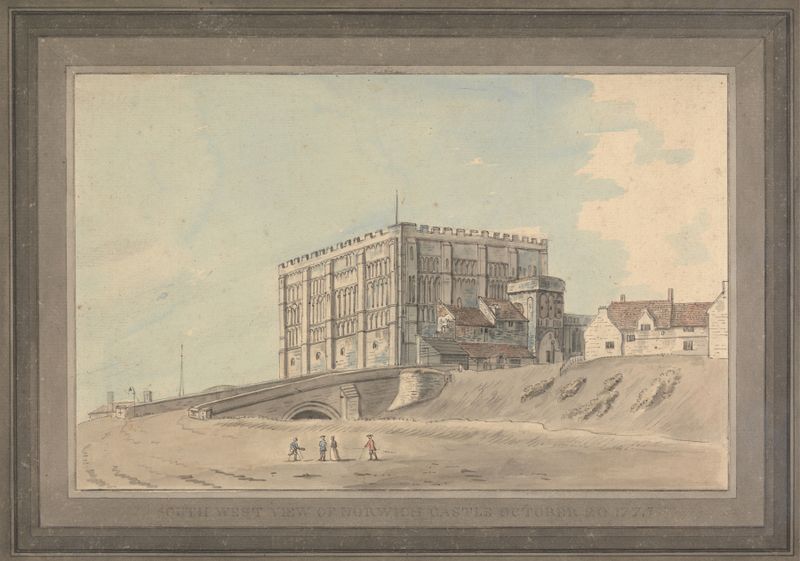
South West View of Norwich Castle
Capt. Francis Grose
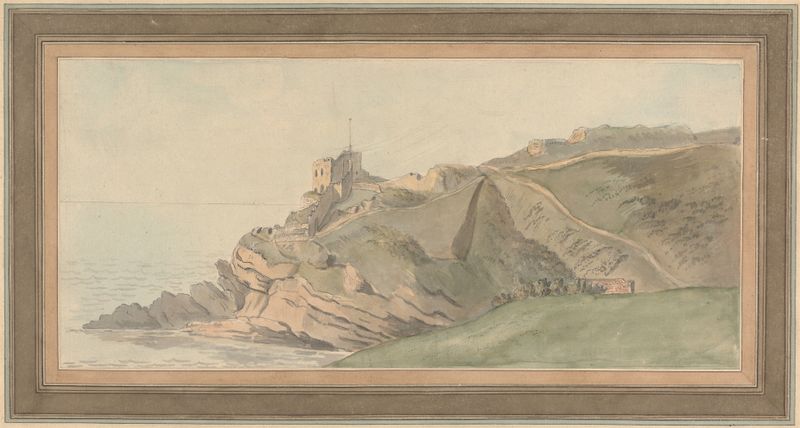
St. Catherine’s Castle at Fowey, Cornwall
Capt. Francis Grose

Canterbury Cathedral, Kent
Capt. Francis Grose
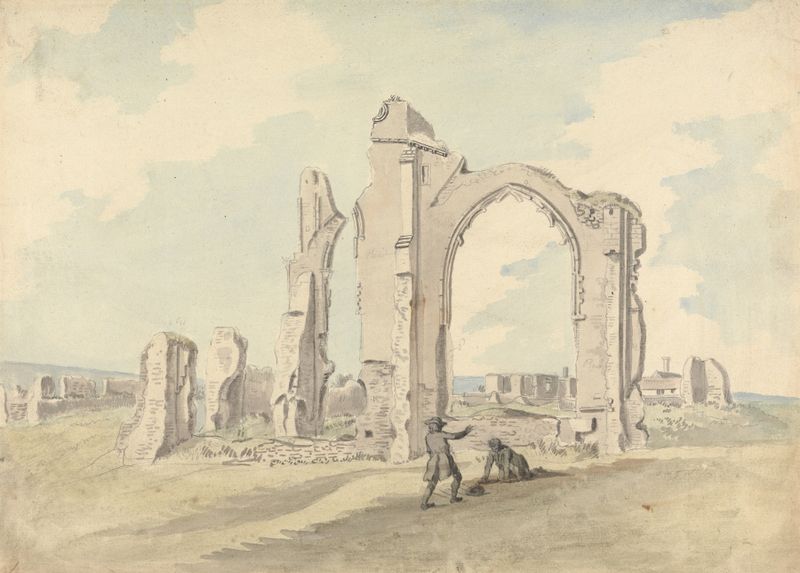
St. Mary’s Priory, Thetford
Capt. Francis Grose

Languard Fort on the River Orwell
Capt. Francis Grose

Mitford Castle, Northumberland
Capt. Francis Grose
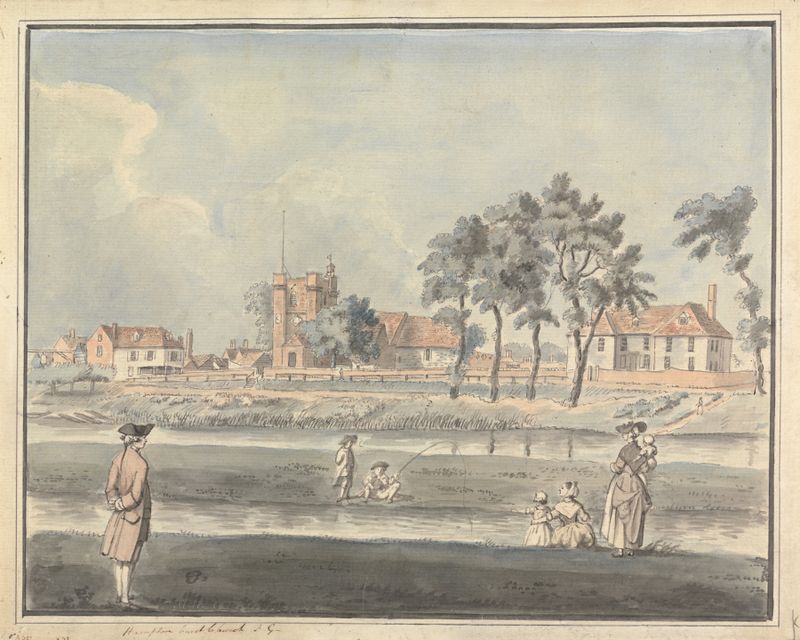
Hampton Court Church
Capt. Francis Grose

Chapel of St. Michael’s Mount
Capt. Francis Grose
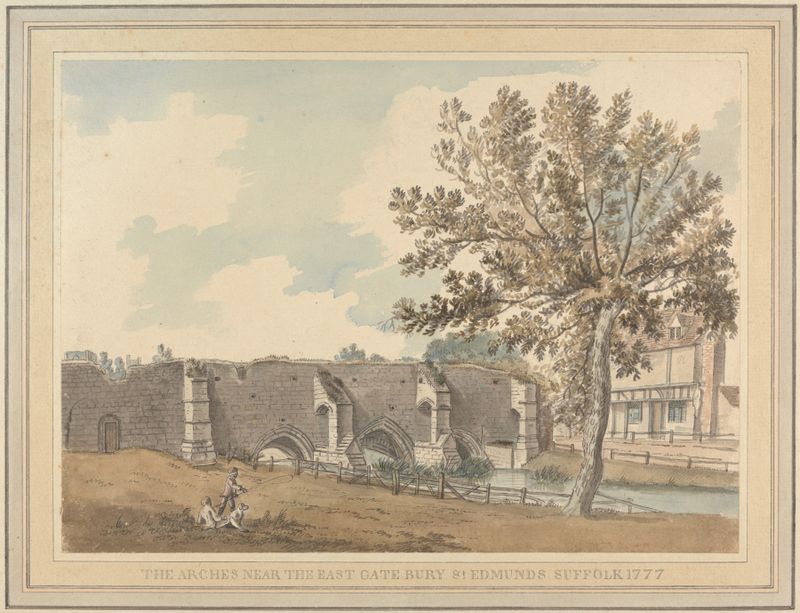
The Arches Near the East Gate, Bury St. Edmunds Suffolk
Capt. Francis Grose

Norham Castle, Northumberland
Capt. Francis Grose
More Architecture Art
Browse all →
The statue of Liberty
Frédéric Auguste Bartholdi

View of Houses in Delft, Known as ‘The Little Street’
Johannes Vermeer

View of Houses in Delft, Known as ‘The Little Street’
Johannes Vermeer

The Cathedral in Rouen. The portal, Grey Weather
Claude Monet

The yellow house
Vincent van Gogh

The Church in Auvers-sur-Oise, View from the Chevet
Vincent van Gogh