
Architecture of German cities Pl.10 — History & Facts
When did color learn to lie? The vibrant hues of the 18th century canvas seem to dance over the surface, invoking a sense of beauty that belies the violence lurking beneath the architecture of German cities. Look closely at the intricate details of the structures depicted. Notice how the brilliant blues and warm yellows create a striking contrast against the somber shadows that creep into the corners. The buildings rise majestically, yet their foundations appear unsteady, suggesting a fragility that hints at deeper unrest.
Each stroke of paint composes a façade that masks the tumult of life behind these walls, engaging the viewer in a dialogue of deception and façade. Within the interplay of light and shadow lies an emotional tension that speaks to the historical context of the period. The bold colors may suggest prosperity and vibrancy, yet they simultaneously evoke a sense of foreboding, as if the cities are witnesses to unspeakable violence. The sharp lines of the architecture echo the rigidity of societal structures, while the fluidity of the paint hints at the chaos bubbling just beneath the surface—a duality that invites contemplation of the nature of progress and the cost it exacts. This artwork was created during a time of significant change in Europe, amid the burgeoning ideas of the Enlightenment and the socio-political upheavals that marked the 18th century.
The artist, though unknown, contributed to a genre that explored urban life in Germany, where burgeoning cities were shadows of both cultural growth and underlying conflicts. This duality in representation reflects a world caught between aspiration and the darker realities of existence.
More Artworks by Unknown Artist
Browse all →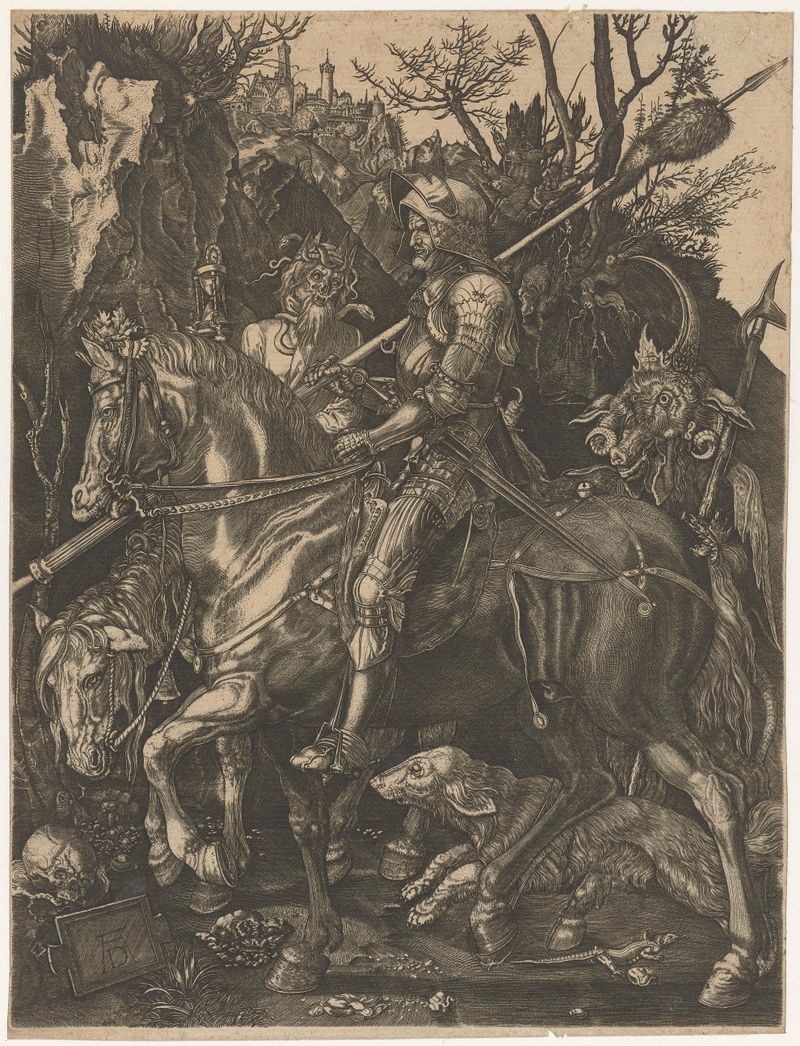
Ridder, Dood en Duivel
Unknown Artist
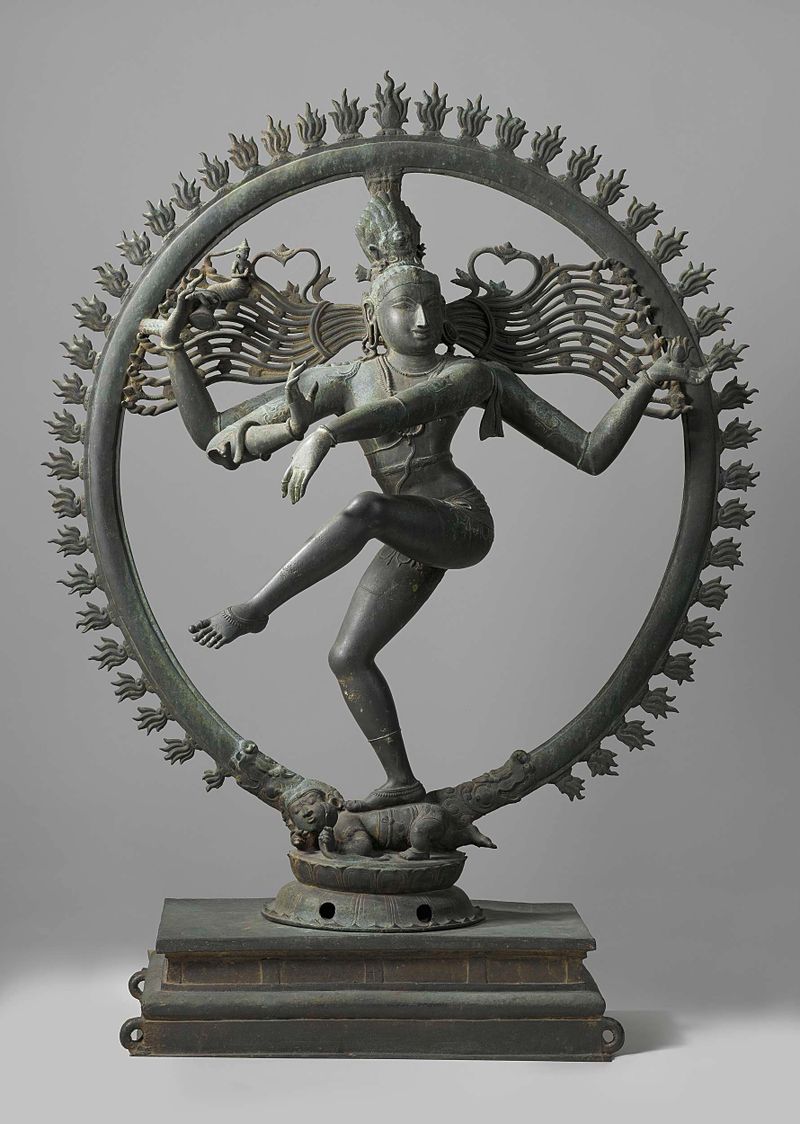
Shiva Nataraja
Unknown Artist
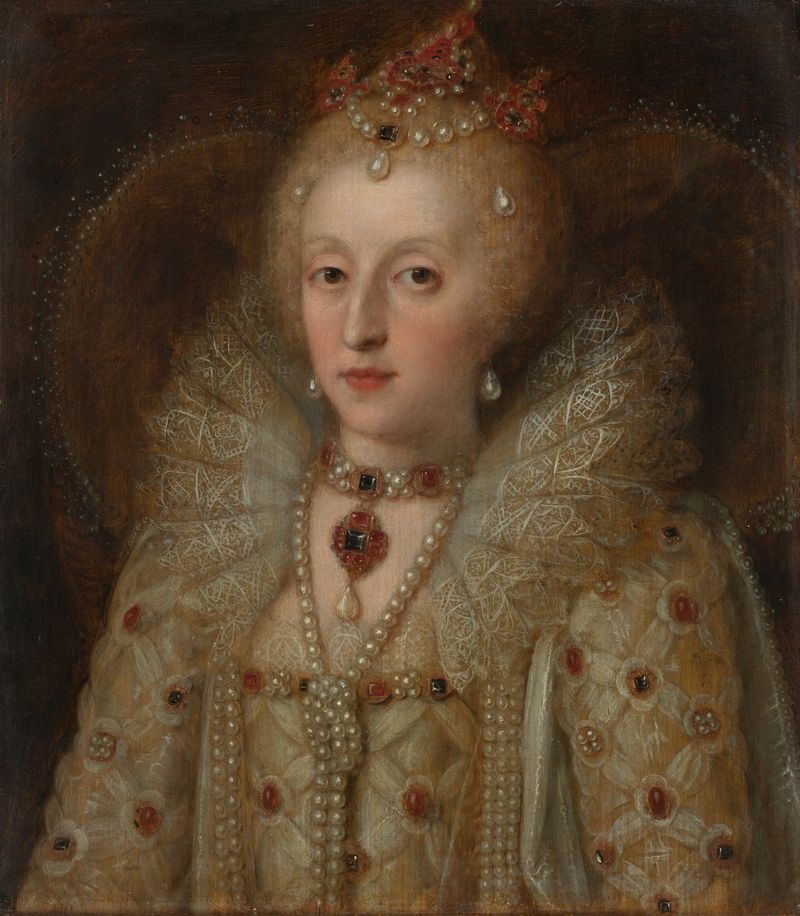
Portrait of Elizabeth I, Queen of England
Unknown Artist
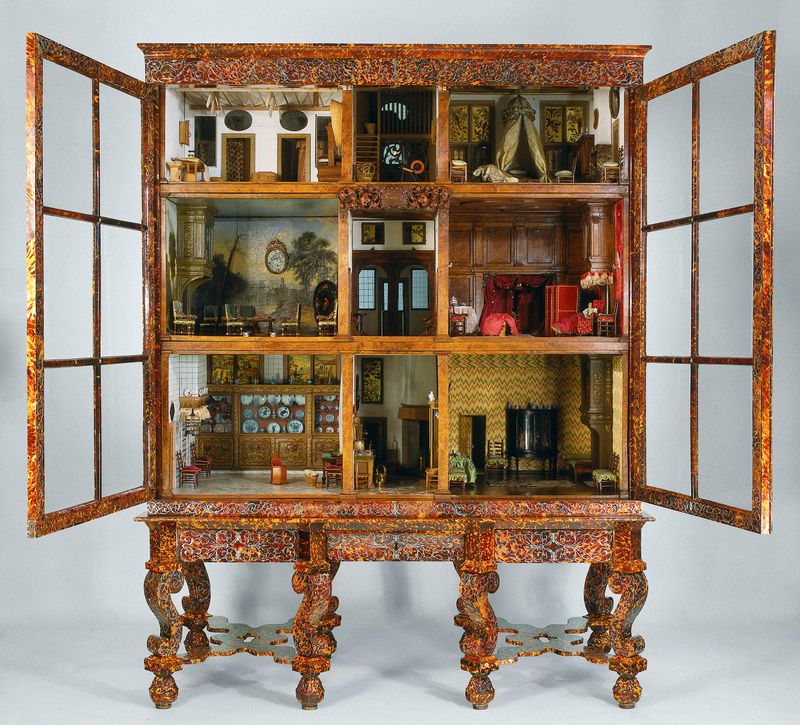
Dolls’ house of Petronella Oortman
Unknown Artist
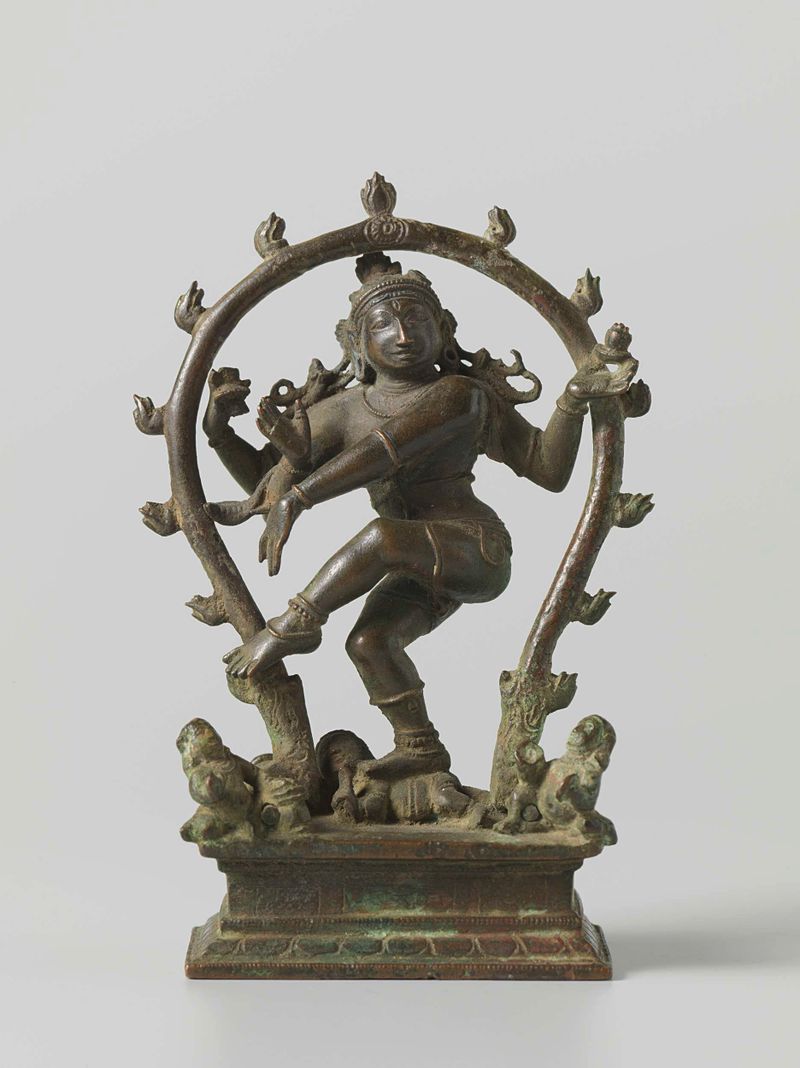
Shiva Nataraja
Unknown Artist

The Tale of Genji
Unknown Artist

The Tale of Genji
Unknown Artist

Cong
Unknown Artist
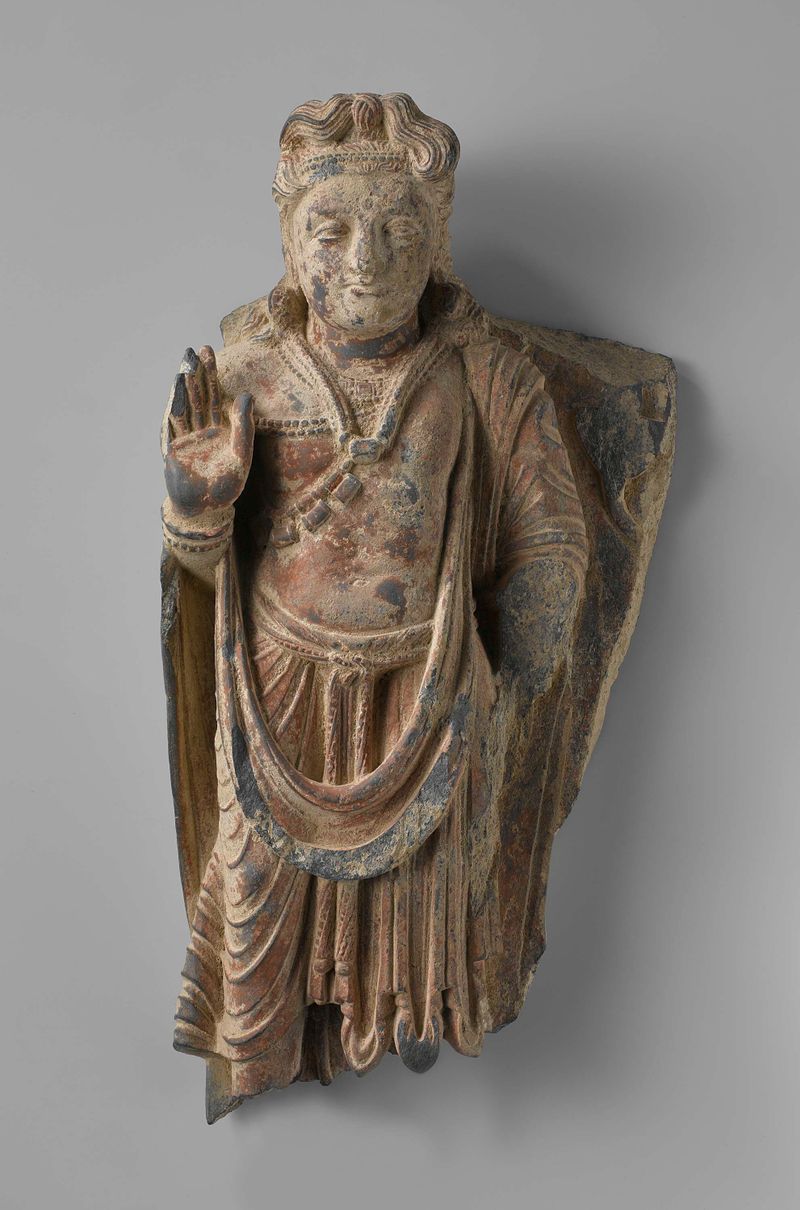
The bodhisattva Maitreya
Unknown Artist

Teabowl with a 'hare's fur' glaze
Unknown Artist
More Architecture Art
Browse all →
The statue of Liberty
Frédéric Auguste Bartholdi

View of Houses in Delft, Known as ‘The Little Street’
Johannes Vermeer

View of Houses in Delft, Known as ‘The Little Street’
Johannes Vermeer

The Cathedral in Rouen. The portal, Grey Weather
Claude Monet

The yellow house
Vincent van Gogh

The Church in Auvers-sur-Oise, View from the Chevet
Vincent van Gogh