
Architecture of German cities Pl.26 — History & Facts
In the delicate lines and structured forms of this 18th-century artwork, madness transforms into order, revealing the hidden beauty within disarray. Look to the center of the composition where intricate architectural details converge, drawing the eye into a dialogue of symmetry and asymmetry. The delicate strokes and meticulous shading create a stunning contrast of light and shadow, illustrating the chaotic energy of urban life while simultaneously upholding an elegant structure. Rich hues of ochre and deep greens bring warmth, while the sharp contrast of white highlights each curve and angle, inviting the viewer to explore every corner of this urban tapestry. Beneath the surface, the artwork speaks to the tension between nature and civilization.
Notice how the organic lines of the surrounding flora intertwine with the rigid geometry of the buildings, suggesting the relentless encroachment of human ambition on the natural world. Each window reflects a fragment of the sky, hinting at fleeting moments of peace amid the bustling chaos of city life. This duality provokes contemplation about the balance we seek in our own lives—between structure and spontaneity, between madness and grace. This piece emanates from an era when the Baroque style was giving way to Neoclassicism, and it was painted during a time of rapid urbanization in Europe.
The artist, whose identity remains unknown, captured this burgeoning architectural landscape amidst the intellectual currents of the Enlightenment. As cities evolved, so too did perceptions of space and order, prompting a reevaluation of the relationship between humanity and its constructed environment—a dialogue that resonates even today.
More Artworks by Unknown Artist
Browse all →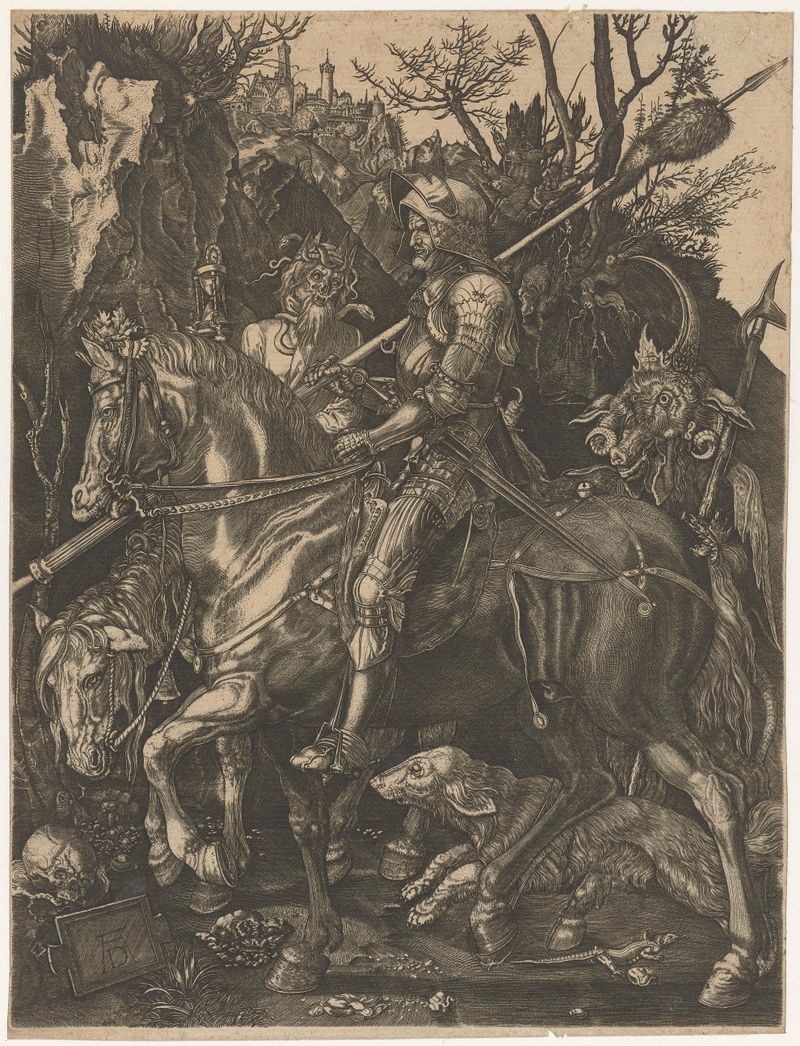
Ridder, Dood en Duivel
Unknown Artist
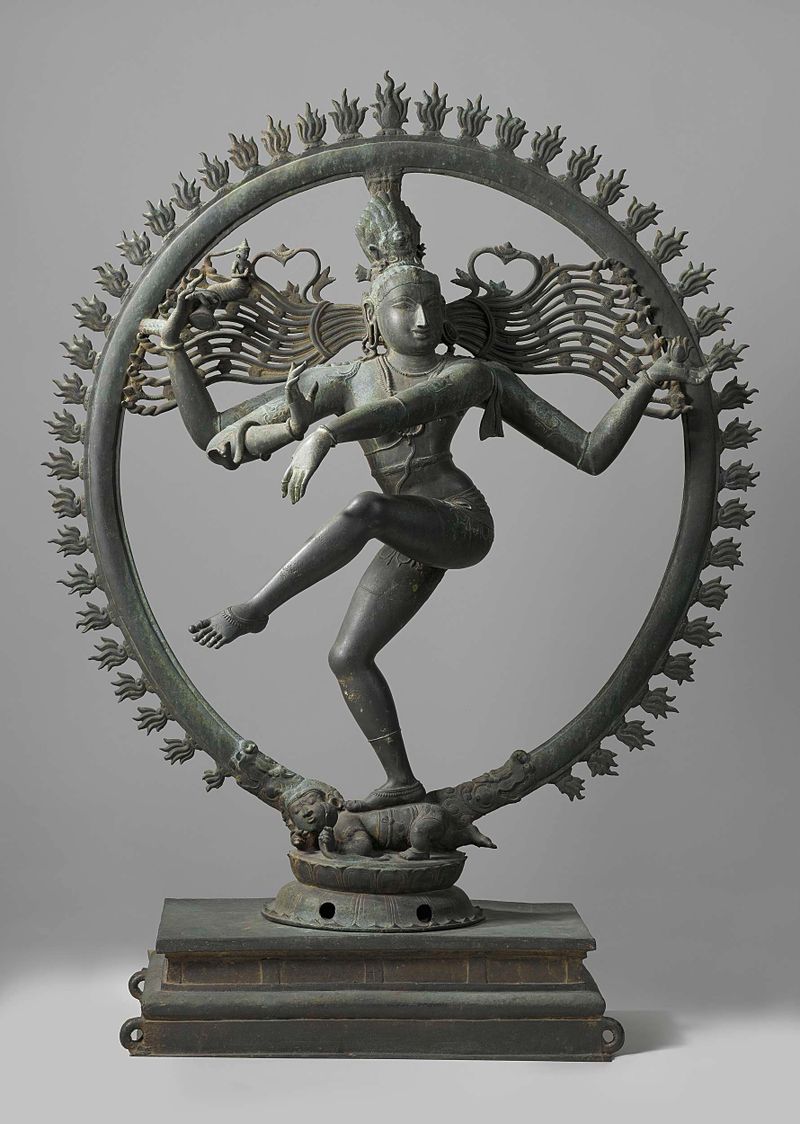
Shiva Nataraja
Unknown Artist
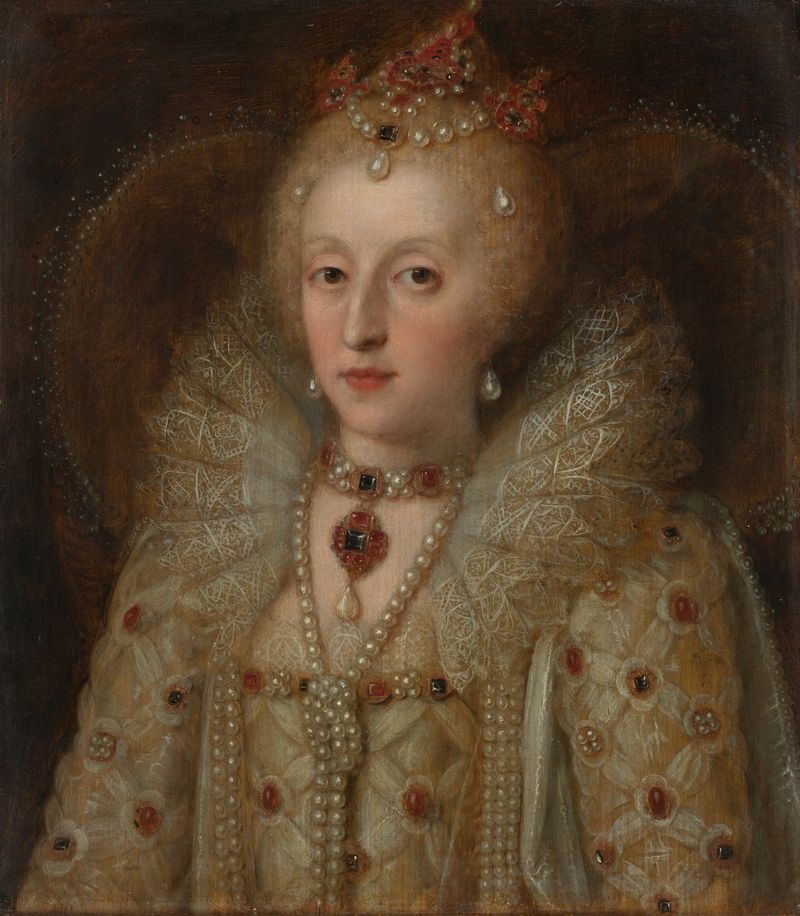
Portrait of Elizabeth I, Queen of England
Unknown Artist
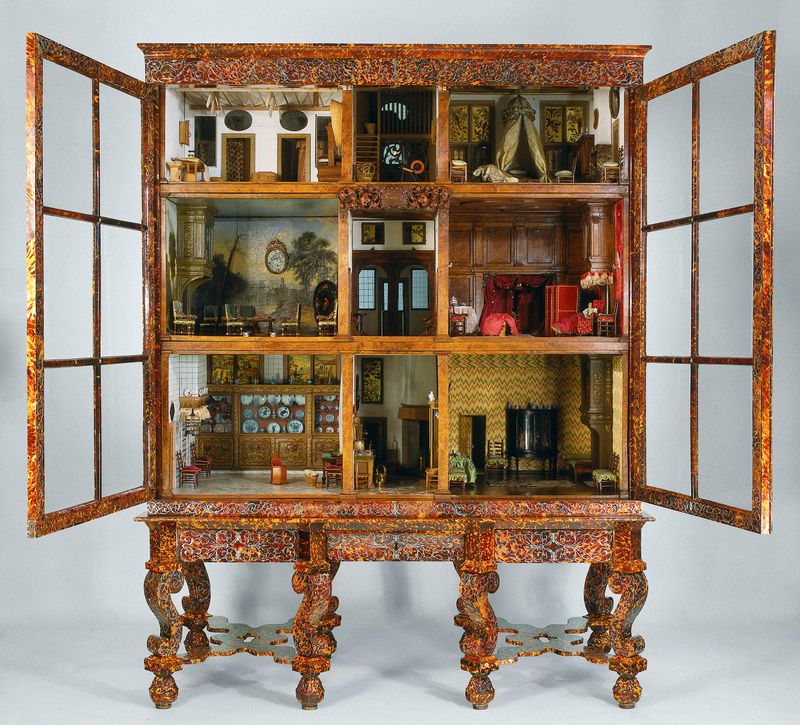
Dolls’ house of Petronella Oortman
Unknown Artist
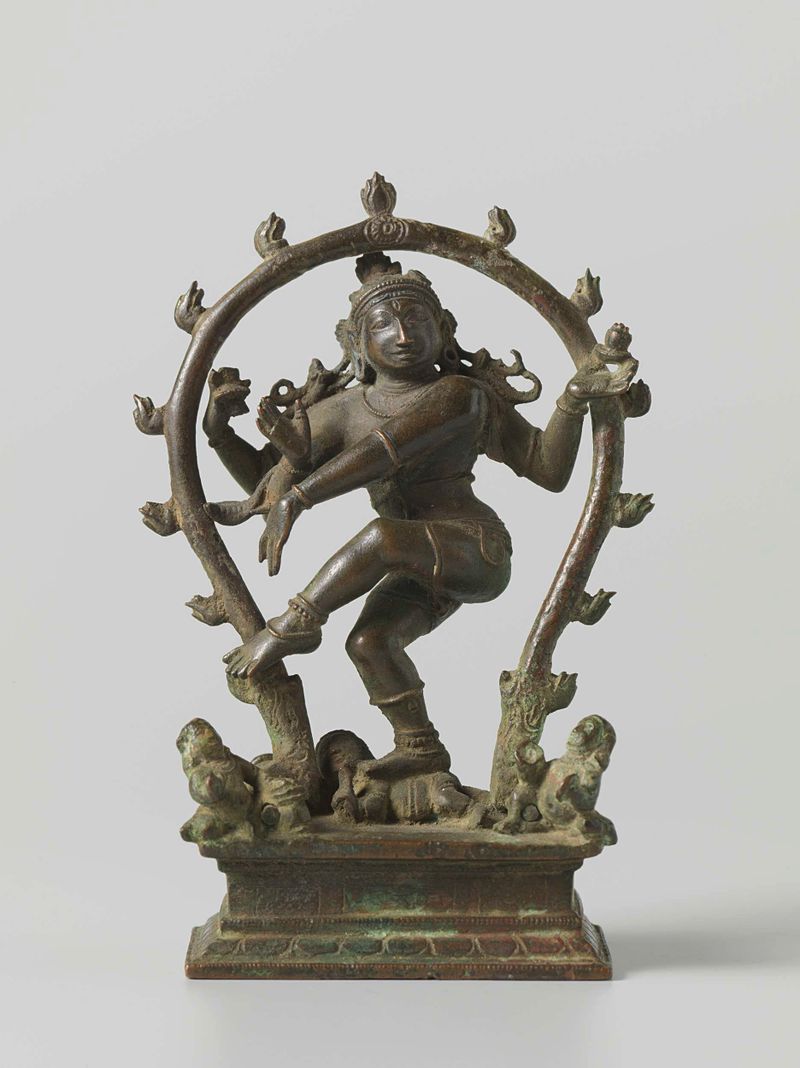
Shiva Nataraja
Unknown Artist

The Tale of Genji
Unknown Artist

The Tale of Genji
Unknown Artist
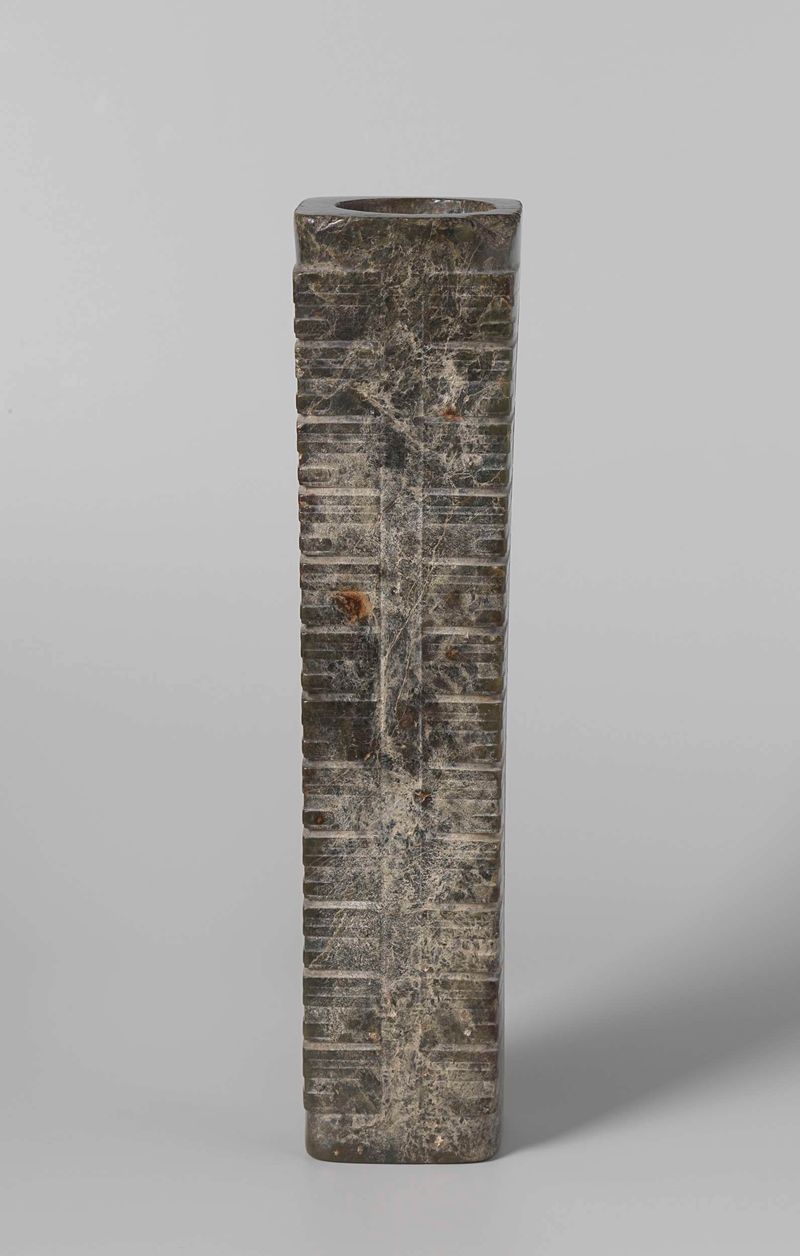
Cong
Unknown Artist
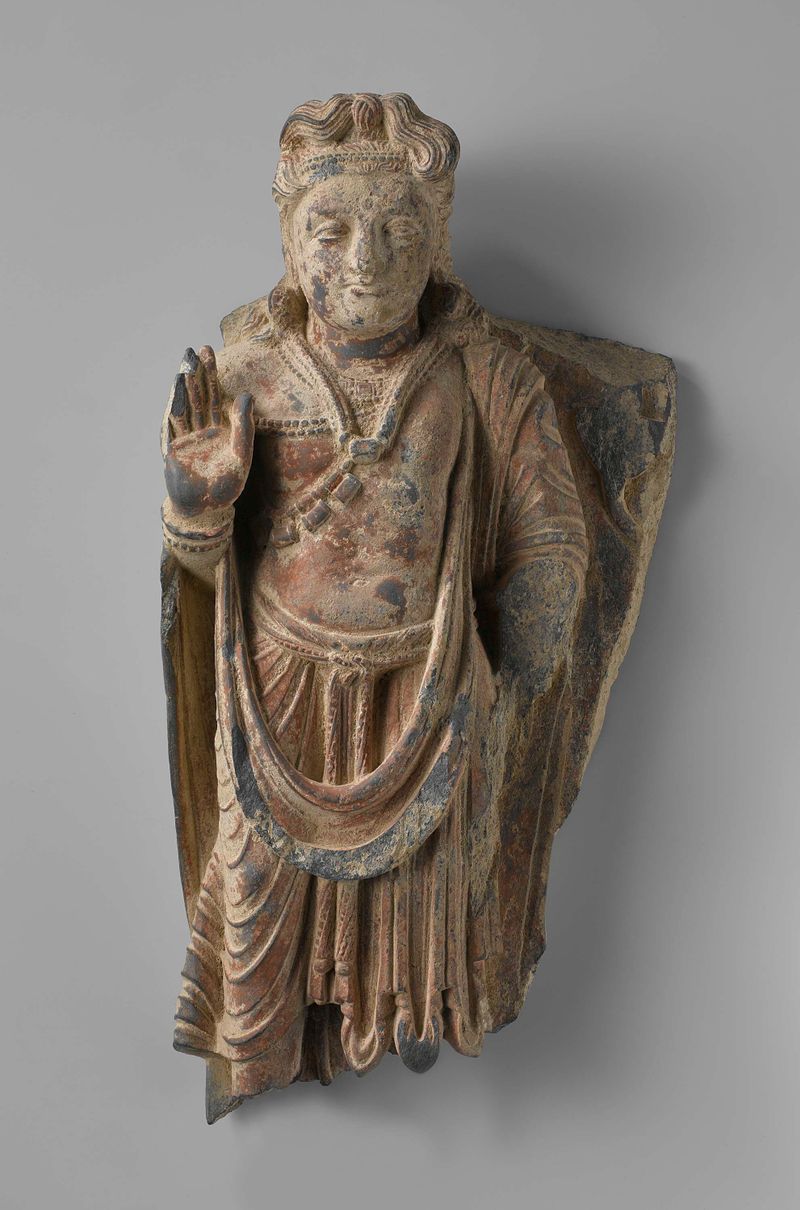
The bodhisattva Maitreya
Unknown Artist
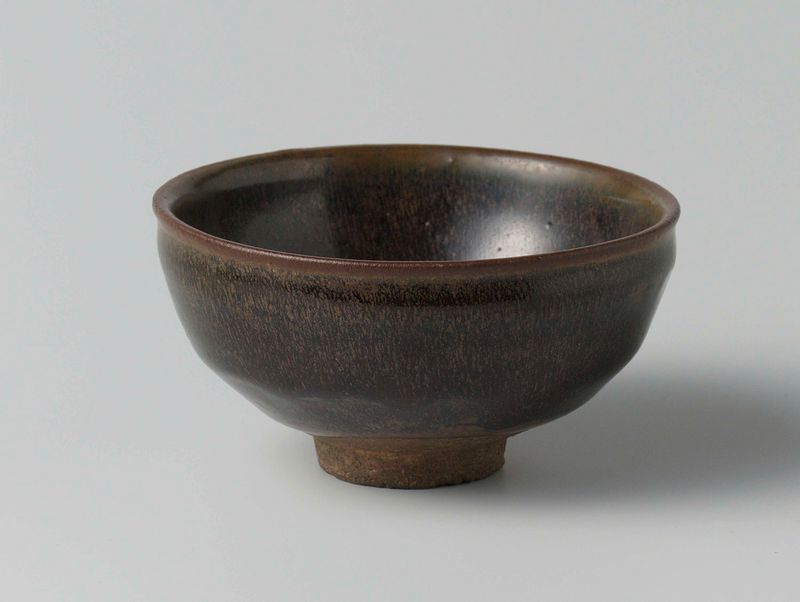
Teabowl with a 'hare's fur' glaze
Unknown Artist
More Architecture Art
Browse all →
The statue of Liberty
Frédéric Auguste Bartholdi

View of Houses in Delft, Known as ‘The Little Street’
Johannes Vermeer

View of Houses in Delft, Known as ‘The Little Street’
Johannes Vermeer

The Cathedral in Rouen. The portal, Grey Weather
Claude Monet

The yellow house
Vincent van Gogh

The Church in Auvers-sur-Oise, View from the Chevet
Vincent van Gogh