
Architecture of German cities Pl.39 — History & Facts
Could beauty survive in a century of chaos? The question lingers like the delicate lines of an architectural drawing, whispering of faith in the resilience of art amid turmoil. Look closely at the intricate details of the composition, where delicate pencil strokes outline the elegant facades of towering structures. Notice how the faint ink washes breathe life into the scene, suggesting both grandeur and fragility. The carefully balanced proportions invite your gaze from the left, where soaring spires and intricate windows draw your eye upward, evoking a sense of aspiration and reverence. Beneath the meticulous surface, the work resonates with a deeper narrative of hope and endurance.
Each building stands as a testament to human ambition, a silent guardian of stories lost in the ravages of time. The juxtaposition of ornate embellishments against the simplicity of the paper underscores not only the artist's skill but also the enduring spirit of a society striving for beauty amid the encroaching shadows of uncertainty. This architectural piece emerged in the 18th century, a time during which Europe faced a maelstrom of political upheaval and social change. The artist, unknown to history, captured a fleeting moment of stability and aesthetic aspiration, likely reflecting a collective yearning for peace and significance as the world teetered on the brink of transformation.
Within the confines of pen and ink, a quiet revolution of faith in beauty unfolded, leaving us with a glimpse into the ideals of an era.
More Artworks by Unknown Artist
Browse all →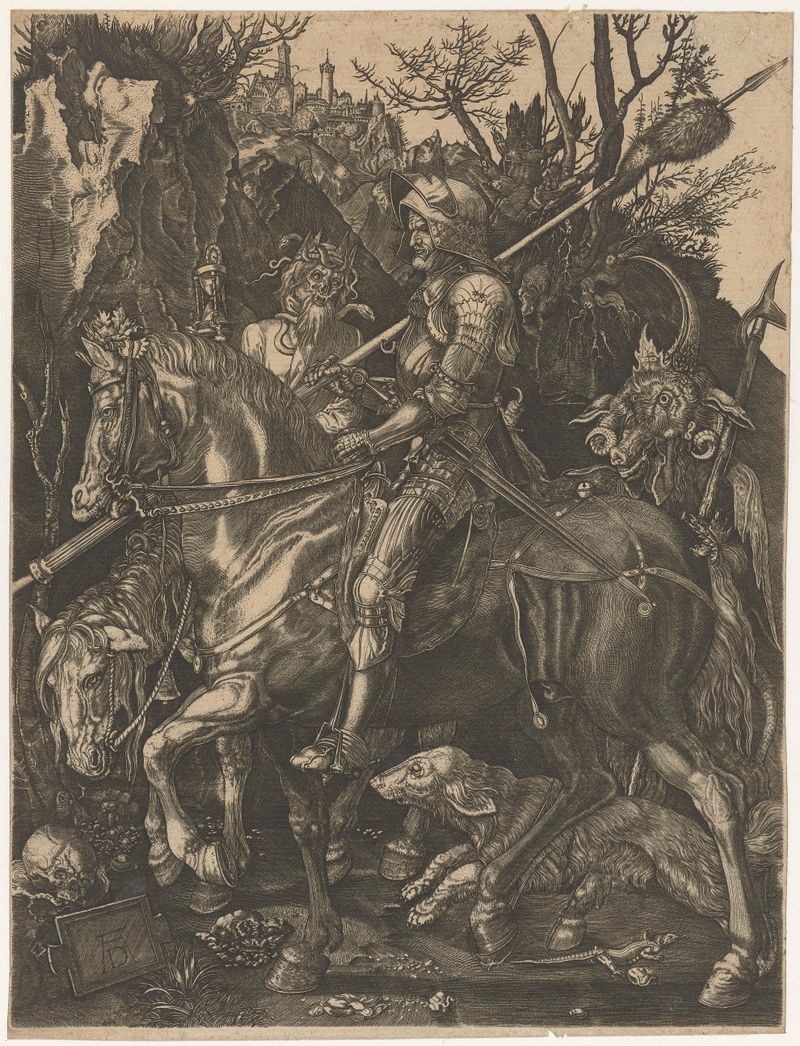
Ridder, Dood en Duivel
Unknown Artist
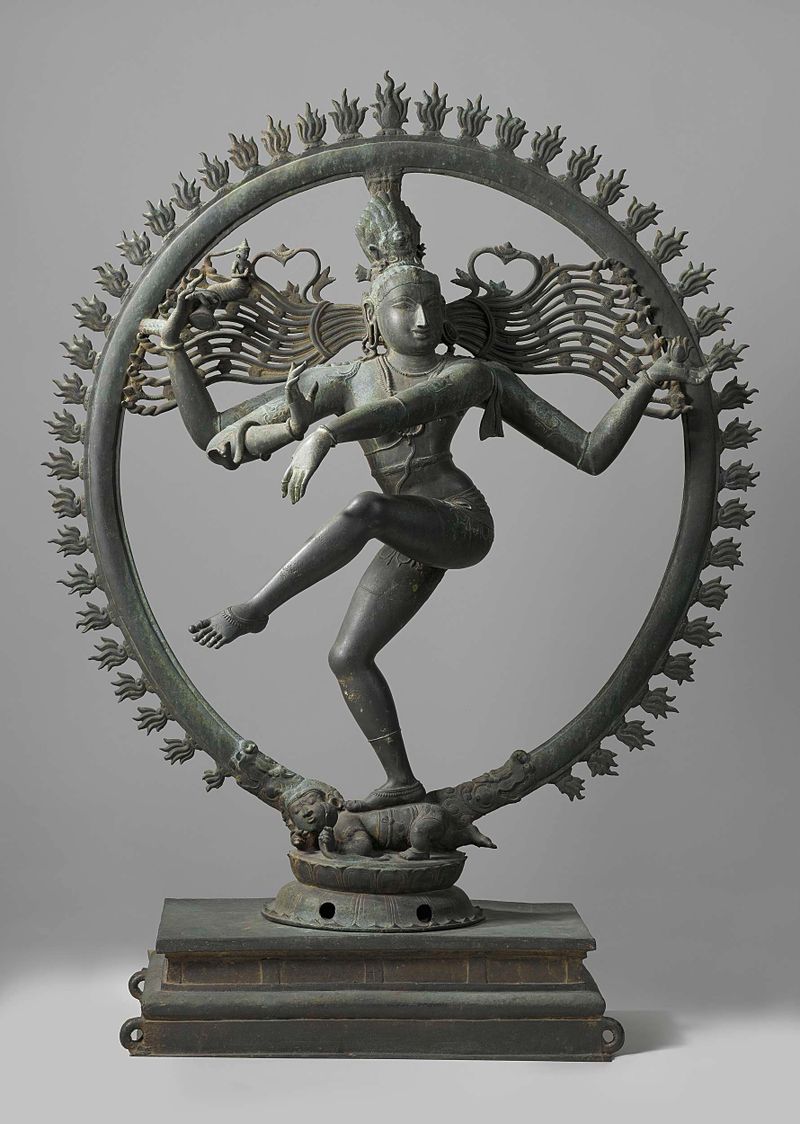
Shiva Nataraja
Unknown Artist
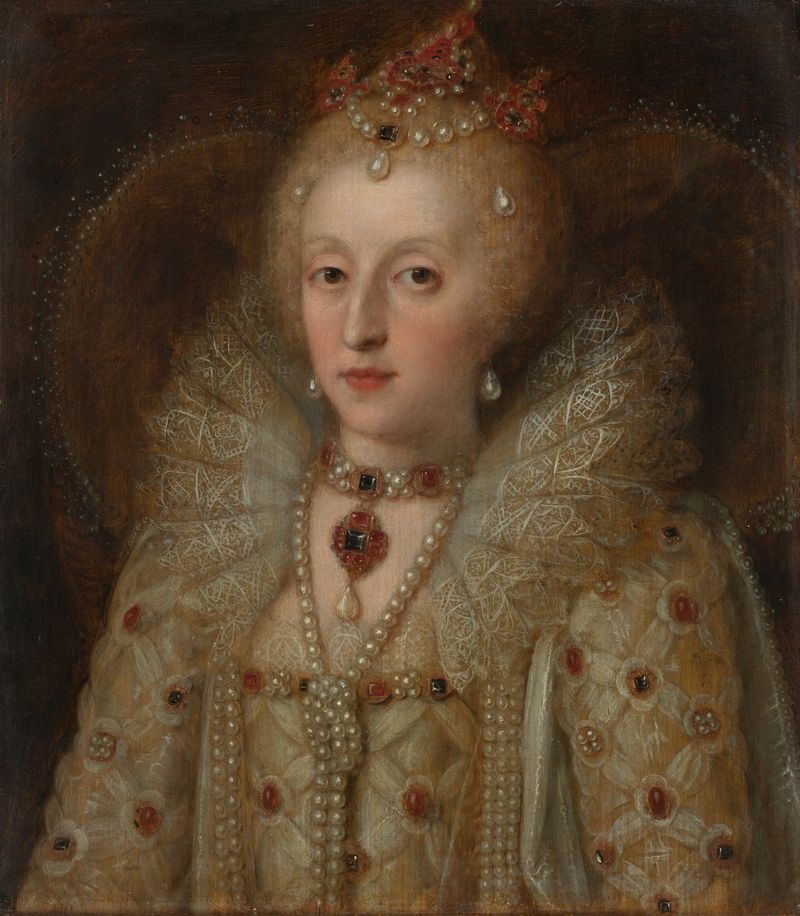
Portrait of Elizabeth I, Queen of England
Unknown Artist
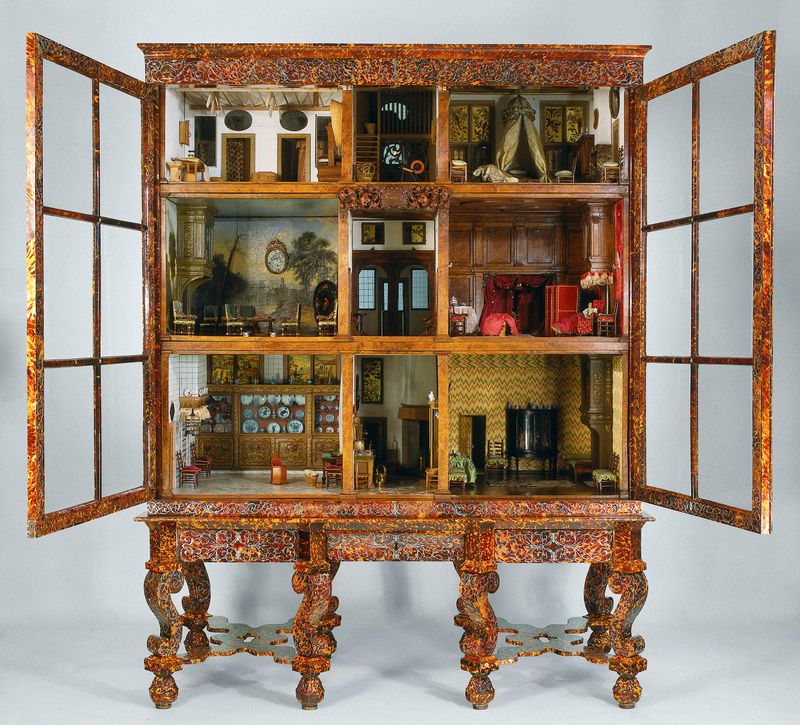
Dolls’ house of Petronella Oortman
Unknown Artist
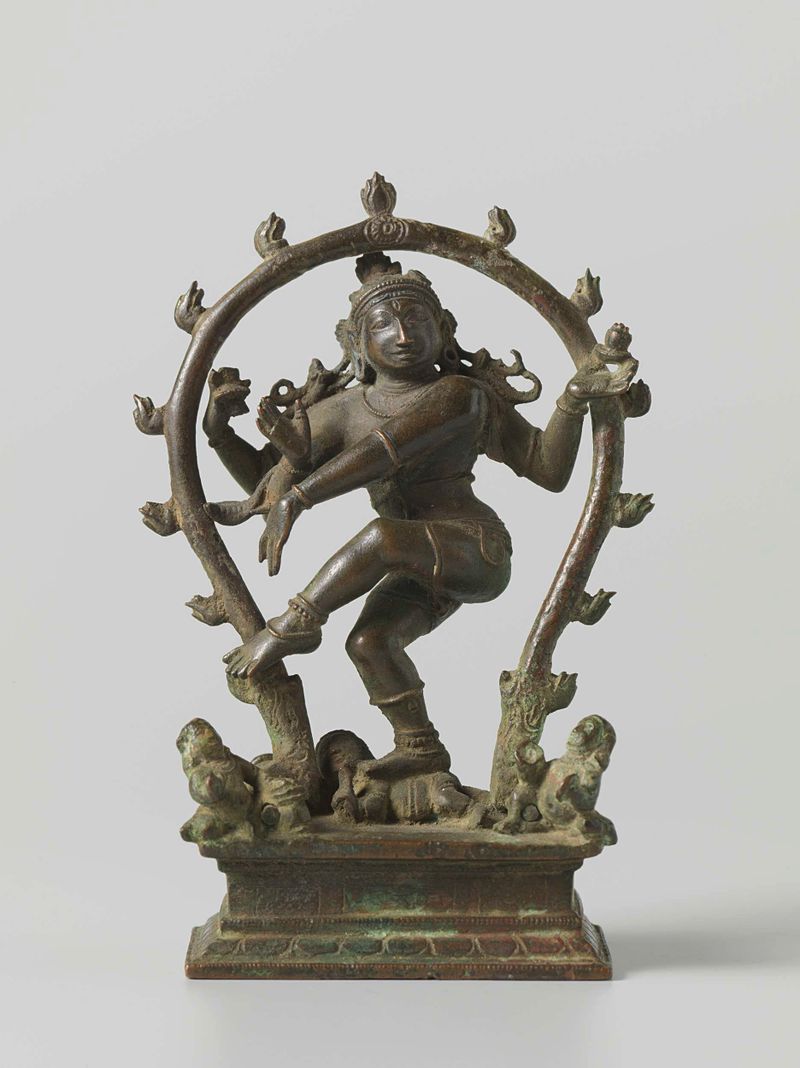
Shiva Nataraja
Unknown Artist

The Tale of Genji
Unknown Artist

The Tale of Genji
Unknown Artist

Cong
Unknown Artist
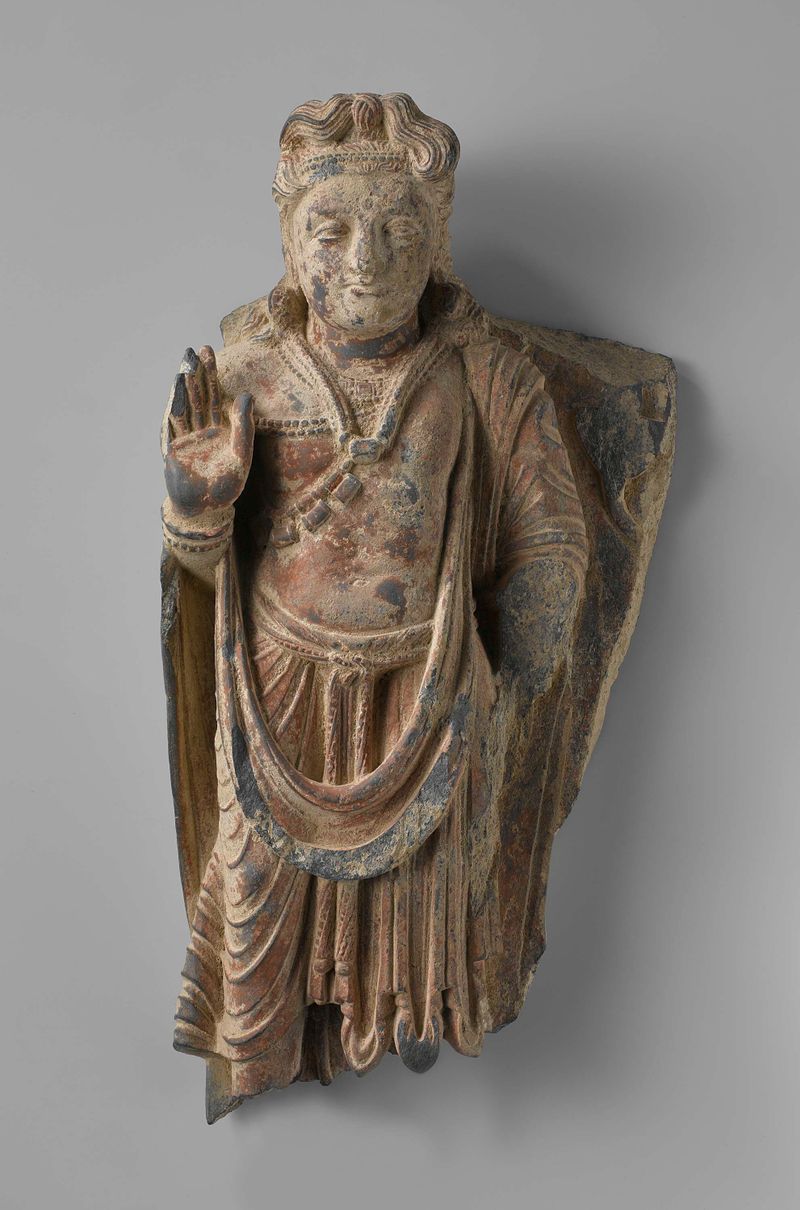
The bodhisattva Maitreya
Unknown Artist

Teabowl with a 'hare's fur' glaze
Unknown Artist
More Architecture Art
Browse all →
The statue of Liberty
Frédéric Auguste Bartholdi

View of Houses in Delft, Known as ‘The Little Street’
Johannes Vermeer

View of Houses in Delft, Known as ‘The Little Street’
Johannes Vermeer

The Cathedral in Rouen. The portal, Grey Weather
Claude Monet

The yellow house
Vincent van Gogh

The Church in Auvers-sur-Oise, View from the Chevet
Vincent van Gogh