
Architecture of German cities Pl.42 — History & Facts
Can beauty exist without sorrow? In the intricate urban tapestry of an 18th-century German city, the interplay of shadow and light suggests a destiny shaped by both triumph and tragedy. Look to the center, where majestic buildings rise in a harmonious array, their façades adorned with ornate details echoing the aspirations of a thriving society. Notice how the muted palette of grays and browns is punctuated by softer hues, guiding your gaze across rooftops that seem to whisper stories of generations. The careful lines and perspective draw you into the heart of the city, making you aware of every arch and window as if they hold secrets of lives lived within their walls. Yet, in the delicate balance of these architectural forms lies an undercurrent of tension.
The looming structures invoke a sense of grandeur, but they also cast shadows that stretch into the alleys, hinting at the struggles faced by those beneath them. The absence of people in this landscape amplifies the feeling of isolation, revealing how beauty can coexist with the quiet sorrow of forgotten destinies. Each detail, from the weathered stones to the distant horizon, speaks of time's relentless passage and the echoes of history intertwined with progress. This artwork emerged during a period of significant change in Europe, as the Baroque style transitioned into Neoclassicism.
The anonymous creator, immersed in the cultural shifts of the 18th century, captured both the aspirations and complexities of urban life, reflecting a world on the cusp of modernity. In this moment, the artist's hand recorded not just buildings but the intricate relationship between beauty, destiny, and the human experience.
More Artworks by Unknown Artist
Browse all →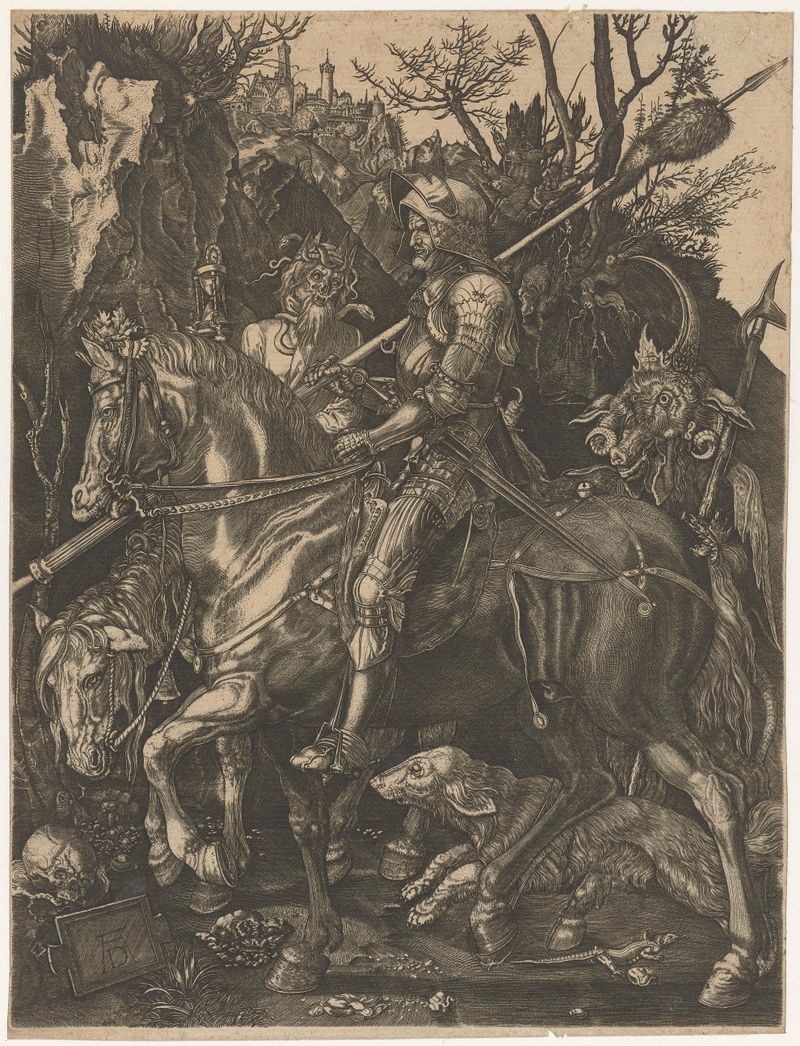
Ridder, Dood en Duivel
Unknown Artist
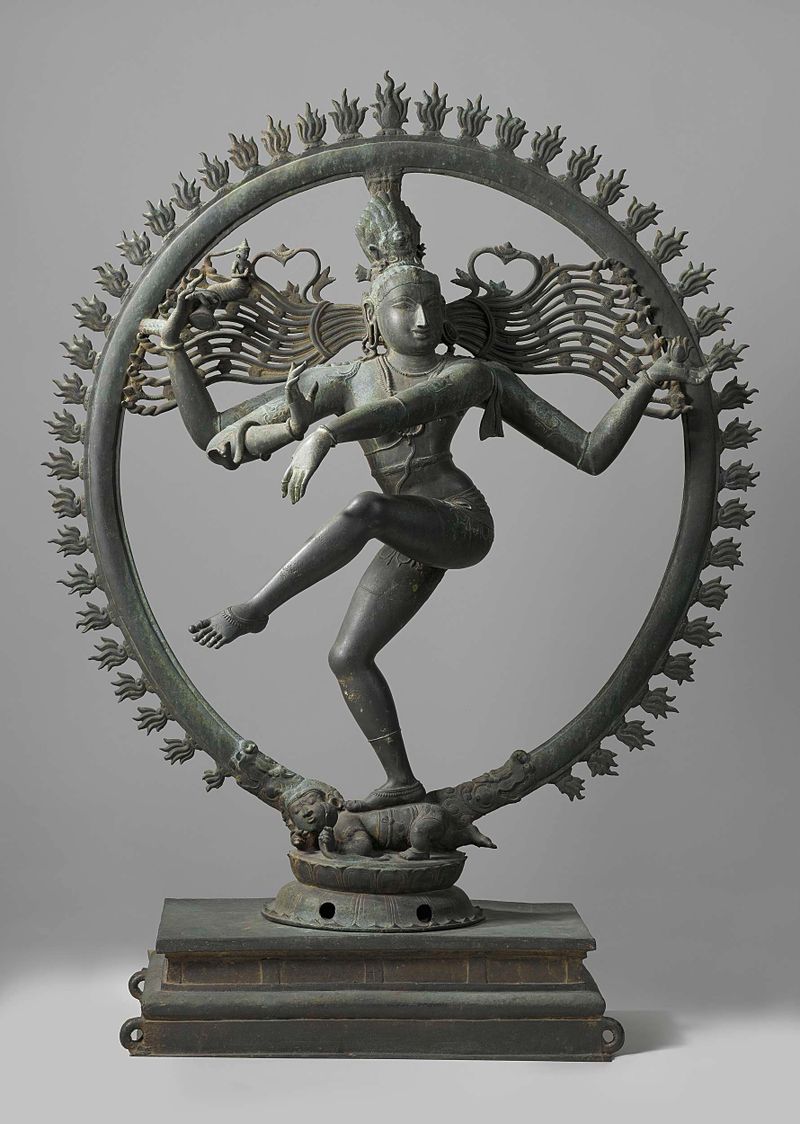
Shiva Nataraja
Unknown Artist
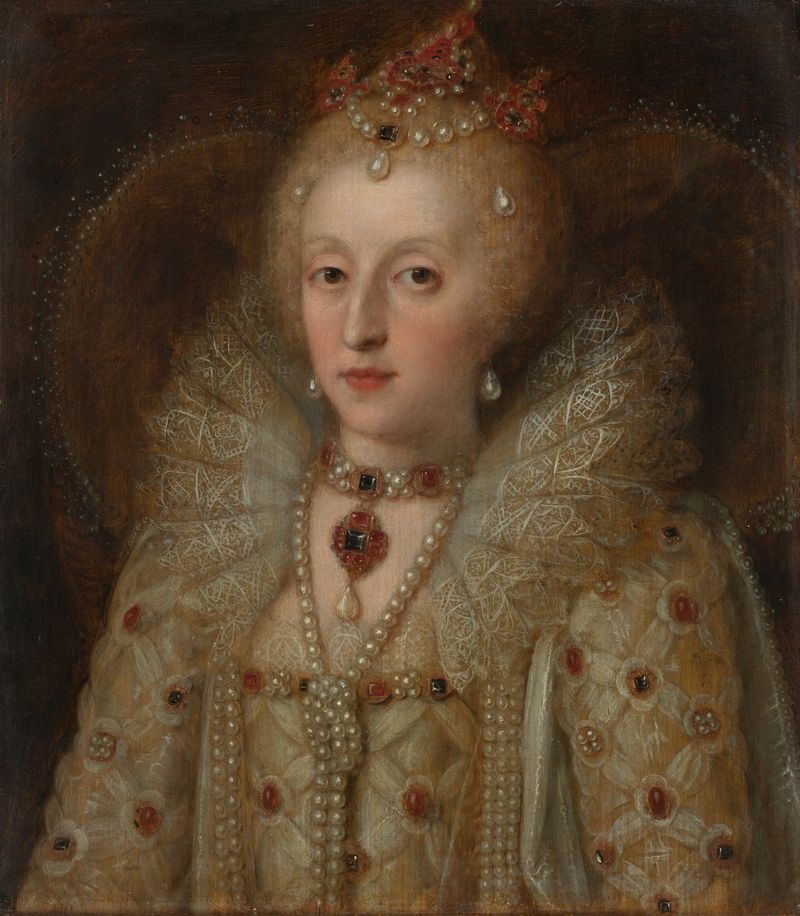
Portrait of Elizabeth I, Queen of England
Unknown Artist
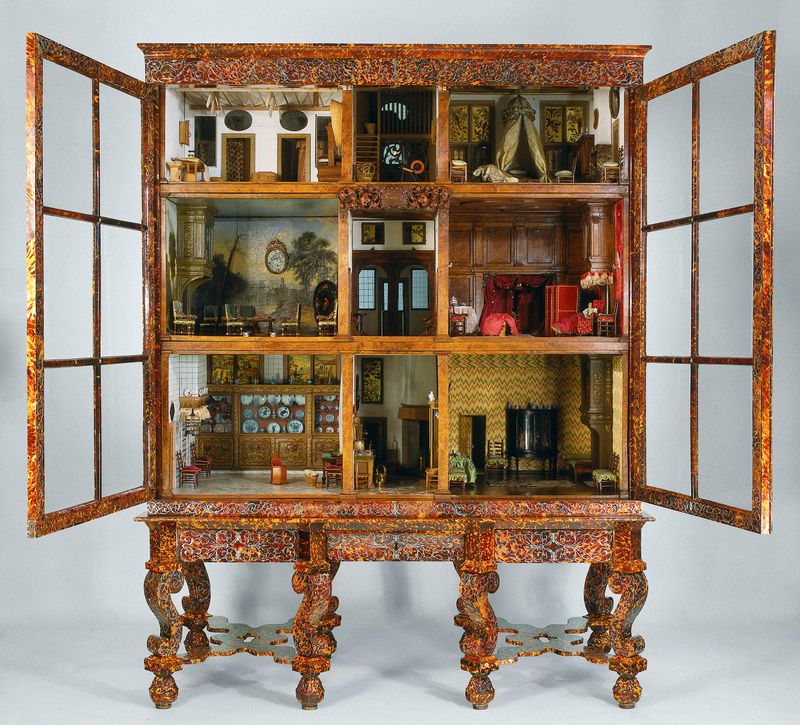
Dolls’ house of Petronella Oortman
Unknown Artist
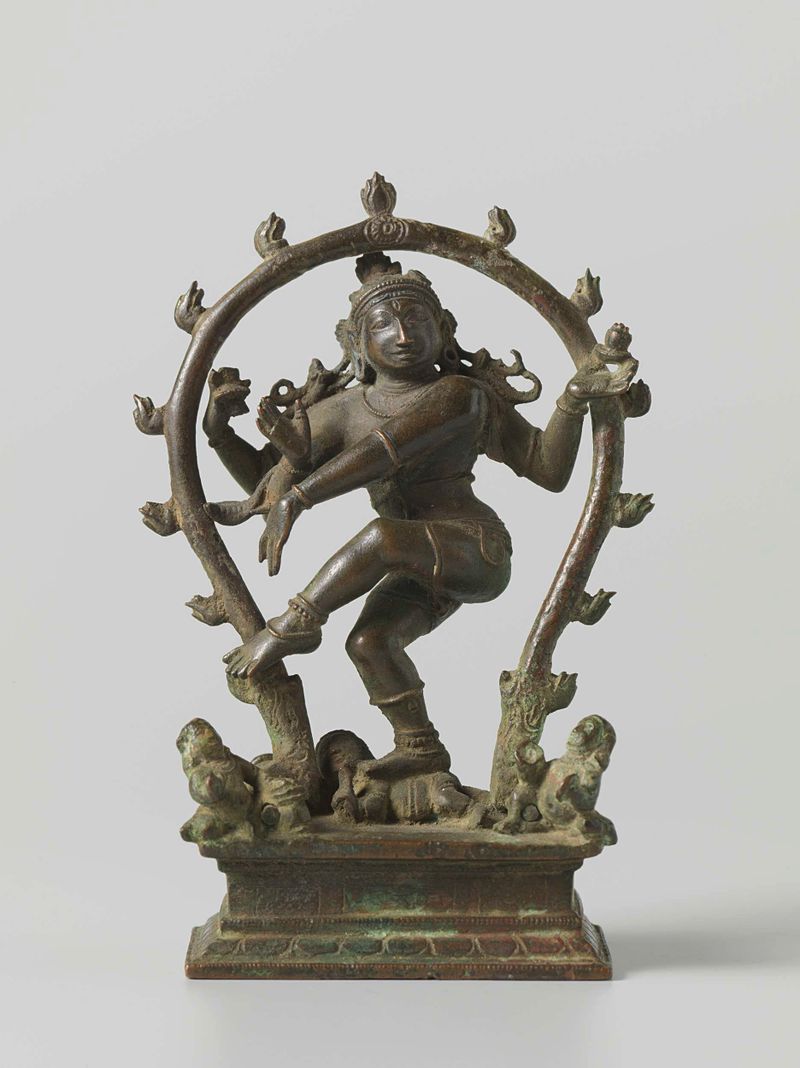
Shiva Nataraja
Unknown Artist

The Tale of Genji
Unknown Artist

The Tale of Genji
Unknown Artist

Cong
Unknown Artist
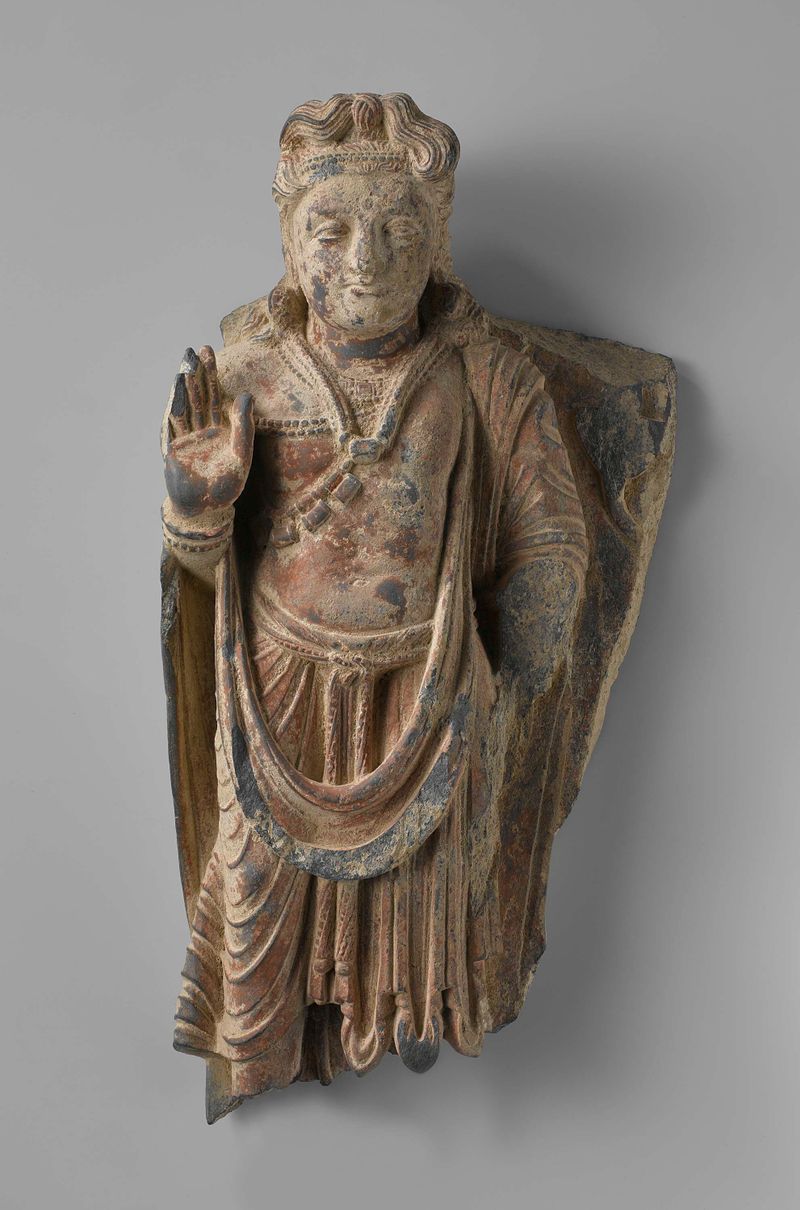
The bodhisattva Maitreya
Unknown Artist

Teabowl with a 'hare's fur' glaze
Unknown Artist
More Architecture Art
Browse all →
The statue of Liberty
Frédéric Auguste Bartholdi

View of Houses in Delft, Known as ‘The Little Street’
Johannes Vermeer

View of Houses in Delft, Known as ‘The Little Street’
Johannes Vermeer

The Cathedral in Rouen. The portal, Grey Weather
Claude Monet

The yellow house
Vincent van Gogh

The Church in Auvers-sur-Oise, View from the Chevet
Vincent van Gogh