
Architecture of German cities Pl.45 — History & Facts
When did color learn to lie? The vibrant hues and intricate details of 18th-century architecture whisper secrets of the past, revealing layers of beauty and deception. Look to the center of the composition, where the interplay of light and shadow shapes the grand structures. The precise lines of the buildings strike a harmonious balance with the soft colors that envelop them, inviting the viewer to explore every facet. Notice how the artist employs a meticulous technique, rendering textures so lifelike that the brick and stone seem to breathe.
The muted palette, punctuated by bursts of color, draws you in, suggesting both stability and fleeting moments of life within the architectural framework. Beneath the surface, the contrasting elements reveal deeper tensions. The vibrant facades, meant to signify prosperity, stand alongside shadows that hint at decay, embodying the dualities of ambition and decline inherent in urban life. Each window reflects not just light but the echoes of countless stories, while the careful placement of figures hints at the human experience within these structures, evoking a sense of nostalgia for a time when such craftsmanship was commonplace. This work emerged during a period of significant change in Europe, as the Enlightenment shaped artistic expression and urban development.
Created in the 18th century, the artist’s identity remains a mystery, yet the painting captures the essence of a transformative era. Amidst the rise of civic pride and architectural innovation, this piece reflects the complex relationship between humanity and the built environment, a theme that continues to resonate in contemporary discourse.
More Artworks by Unknown Artist
Browse all →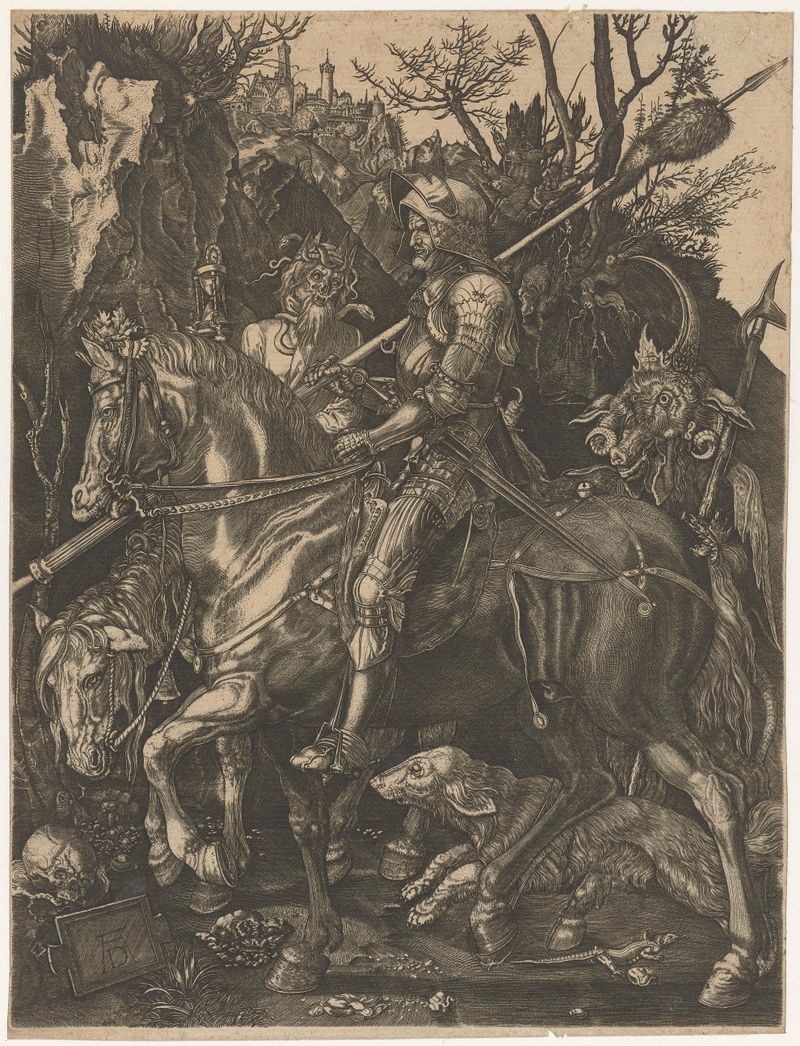
Ridder, Dood en Duivel
Unknown Artist
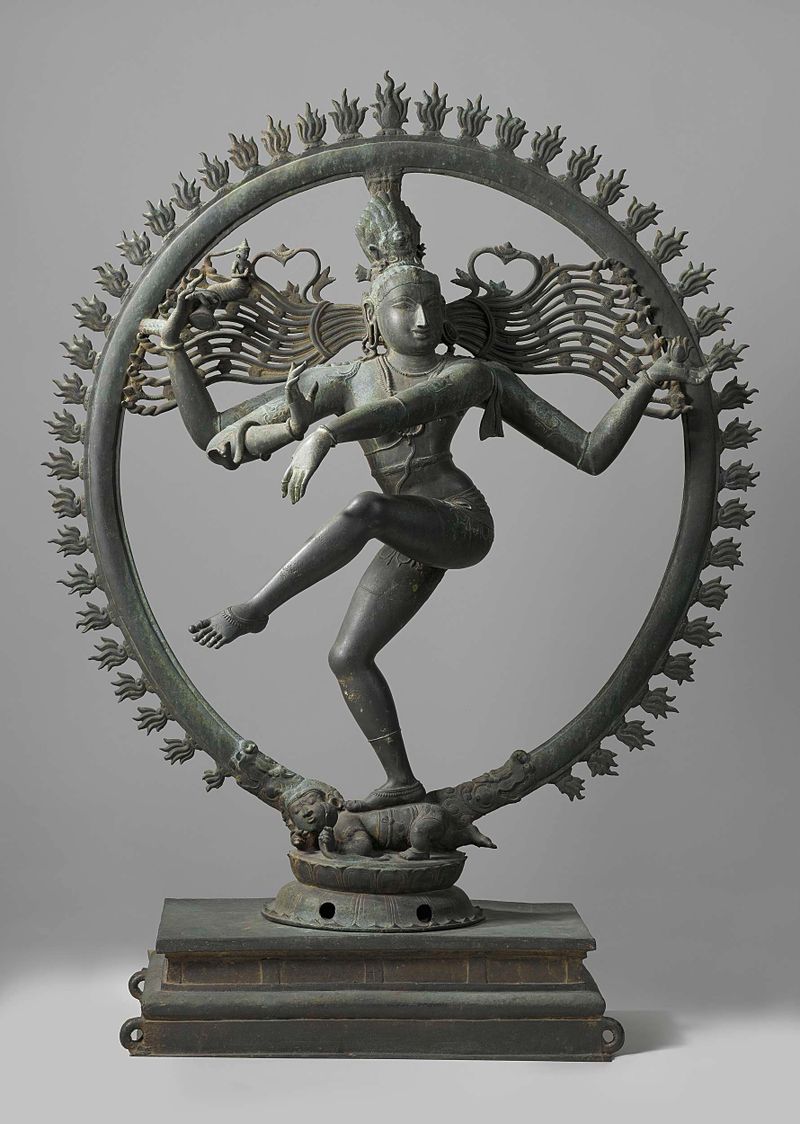
Shiva Nataraja
Unknown Artist
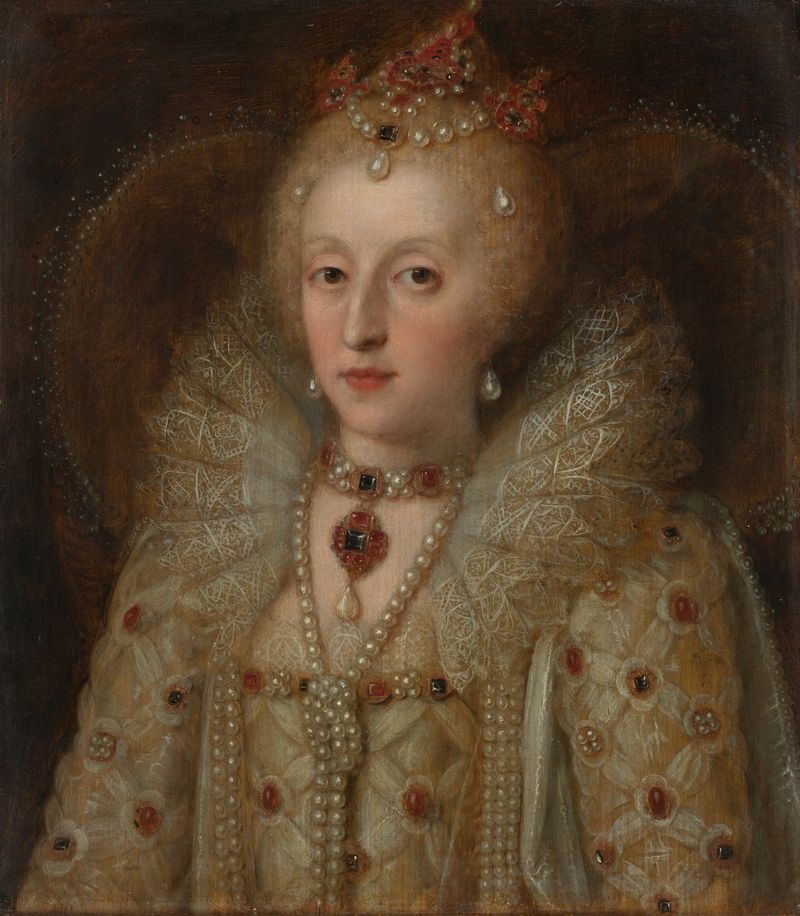
Portrait of Elizabeth I, Queen of England
Unknown Artist
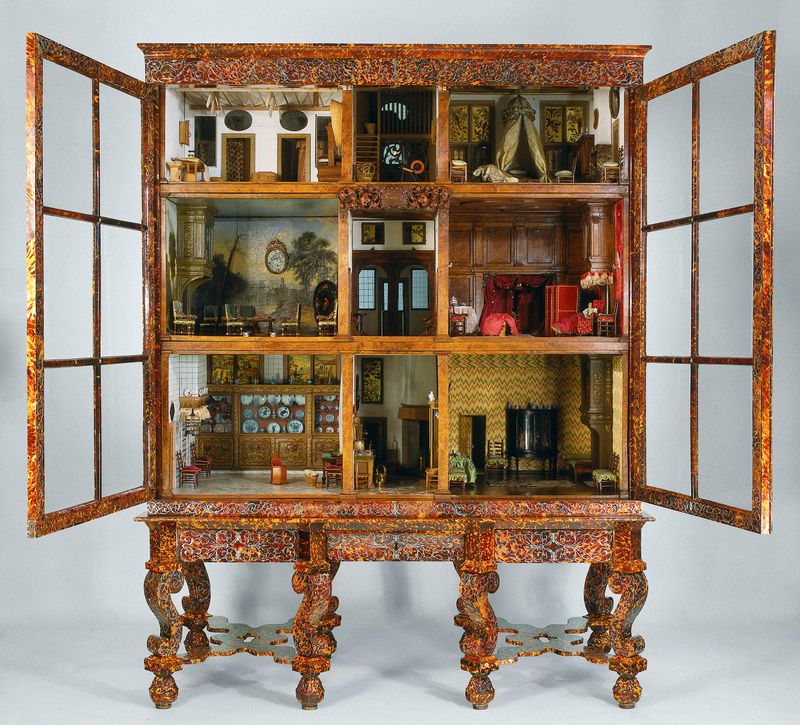
Dolls’ house of Petronella Oortman
Unknown Artist
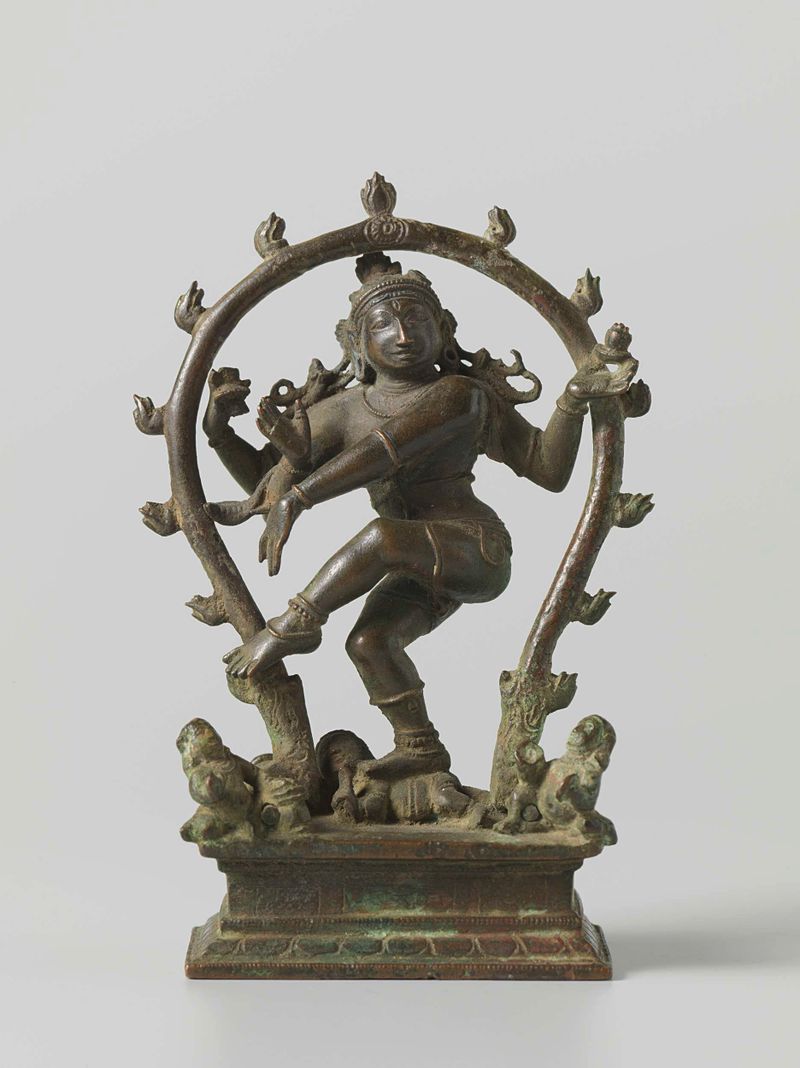
Shiva Nataraja
Unknown Artist

The Tale of Genji
Unknown Artist

The Tale of Genji
Unknown Artist
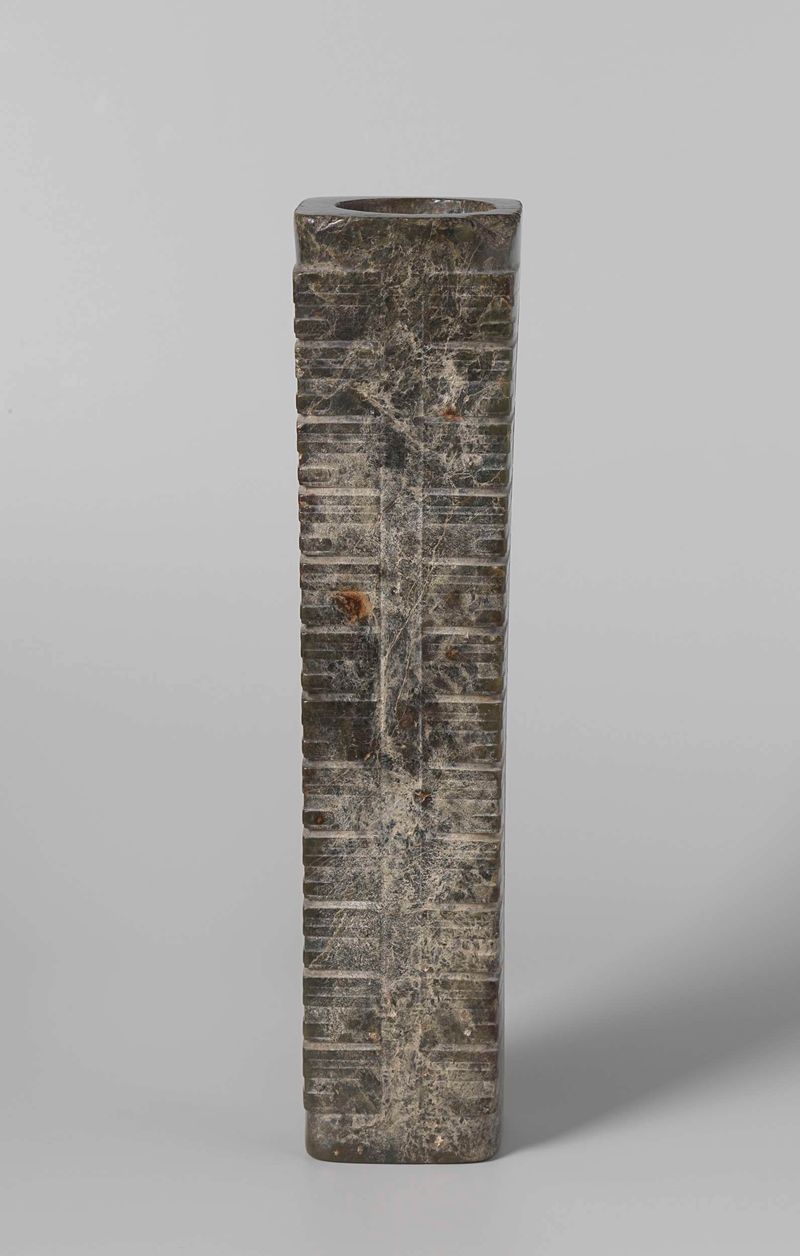
Cong
Unknown Artist
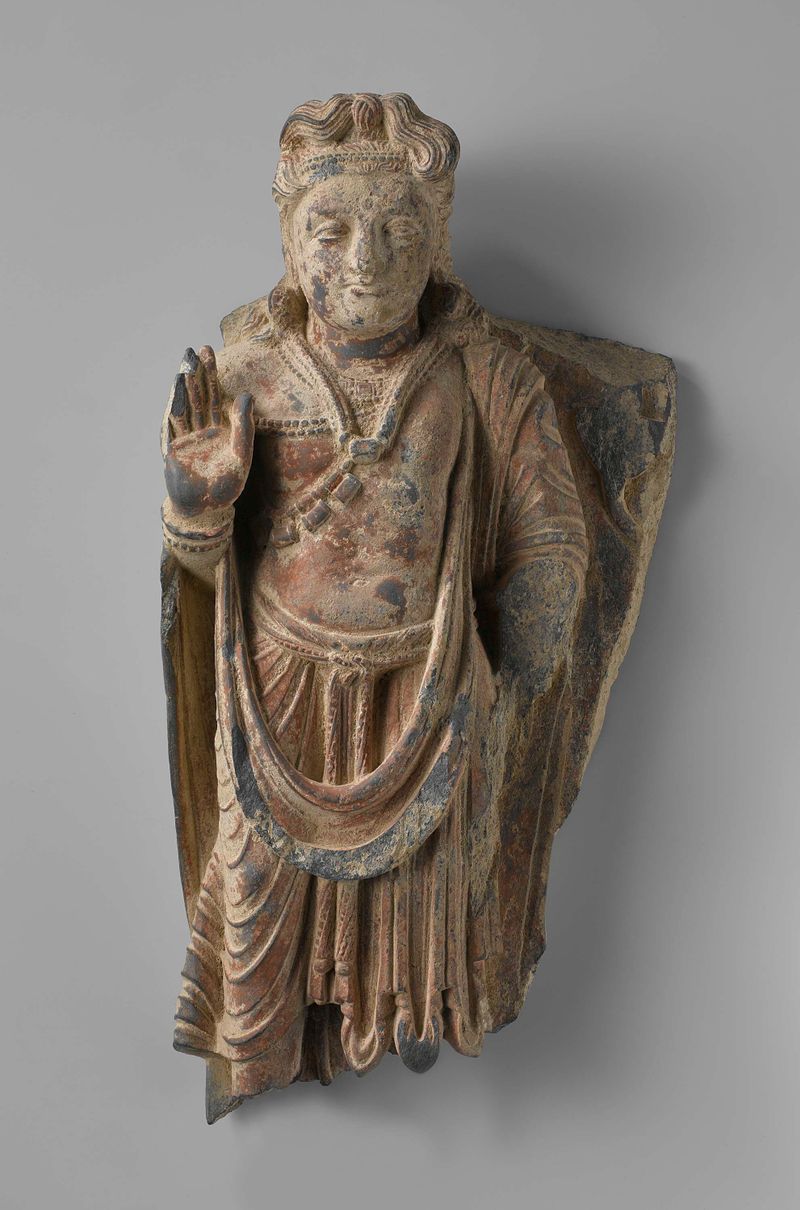
The bodhisattva Maitreya
Unknown Artist

Teabowl with a 'hare's fur' glaze
Unknown Artist
More Architecture Art
Browse all →
The statue of Liberty
Frédéric Auguste Bartholdi

View of Houses in Delft, Known as ‘The Little Street’
Johannes Vermeer

View of Houses in Delft, Known as ‘The Little Street’
Johannes Vermeer

The Cathedral in Rouen. The portal, Grey Weather
Claude Monet

The yellow house
Vincent van Gogh

The Church in Auvers-sur-Oise, View from the Chevet
Vincent van Gogh