
Architecture of German cities Pl.56 — History & Facts
In a world where everything is in constant flux, what remains of our history, our sense of place, and our collective memory? Focus on the intricate linework that defines the architectural forms; the sweeping curves and angular façades invite you to traverse the landscape of this 18th-century vision. Notice how the delicate ink contrasts with the muted tones of the paper, creating a dialogue between permanence and transience. Each building stands as a silent witness to the passage of time and the stories that have shaped them, while shadows hint at the loss of what once thrived within their walls. The juxtaposition between the meticulously rendered structures and the empty spaces surrounding them evokes a poignant sense of nostalgia.
One can almost feel the echoes of laughter and life that have faded into silence, as each edifice becomes a symbol of both pride and abandonment. The subtle decay of the ink serves as a metaphor for temporal loss, suggesting that history, though recorded on the page, is ultimately ephemeral. This artwork emerged from an era of burgeoning urban identity in Germany, where artists sought to document the rapid changes in architectural styles and societal structures. The 18th century was marked by a growing interest in capturing the essence of place amidst a backdrop of transformation, reflecting the tensions between modernity and tradition.
The unknown artist's work contributes to this dialogue, preserving the essence of a world that continues to evolve, forever reminding us of what has been lost.
More Artworks by Unknown Artist
Browse all →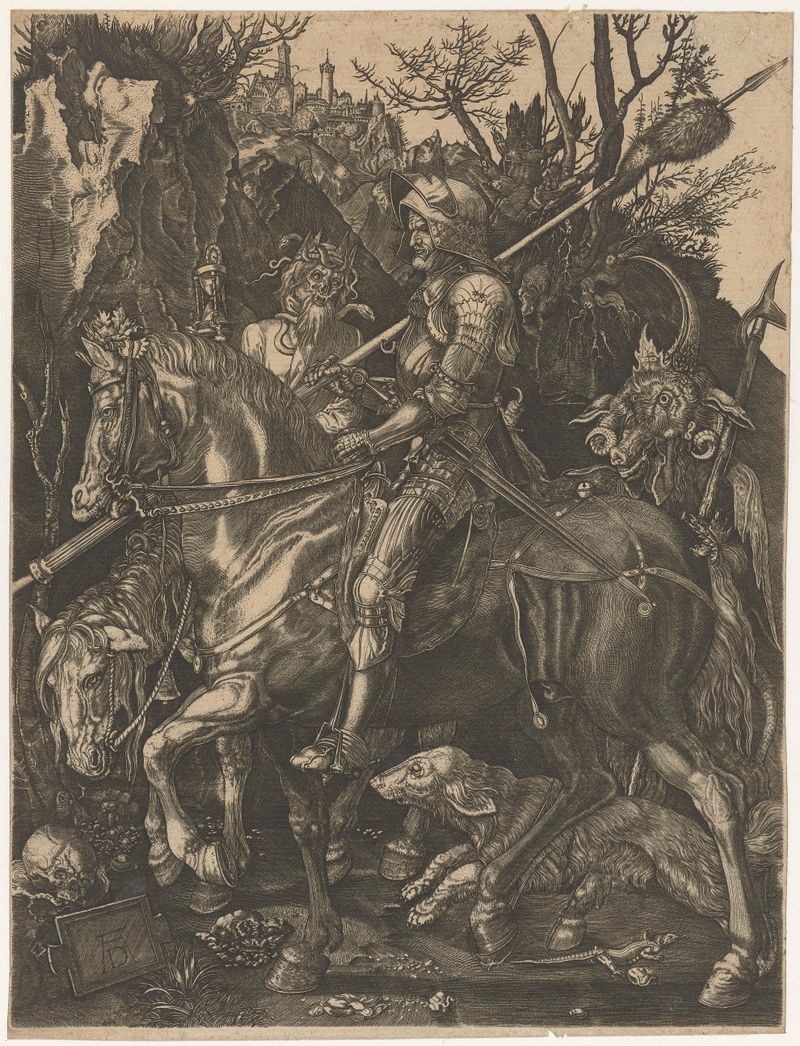
Ridder, Dood en Duivel
Unknown Artist
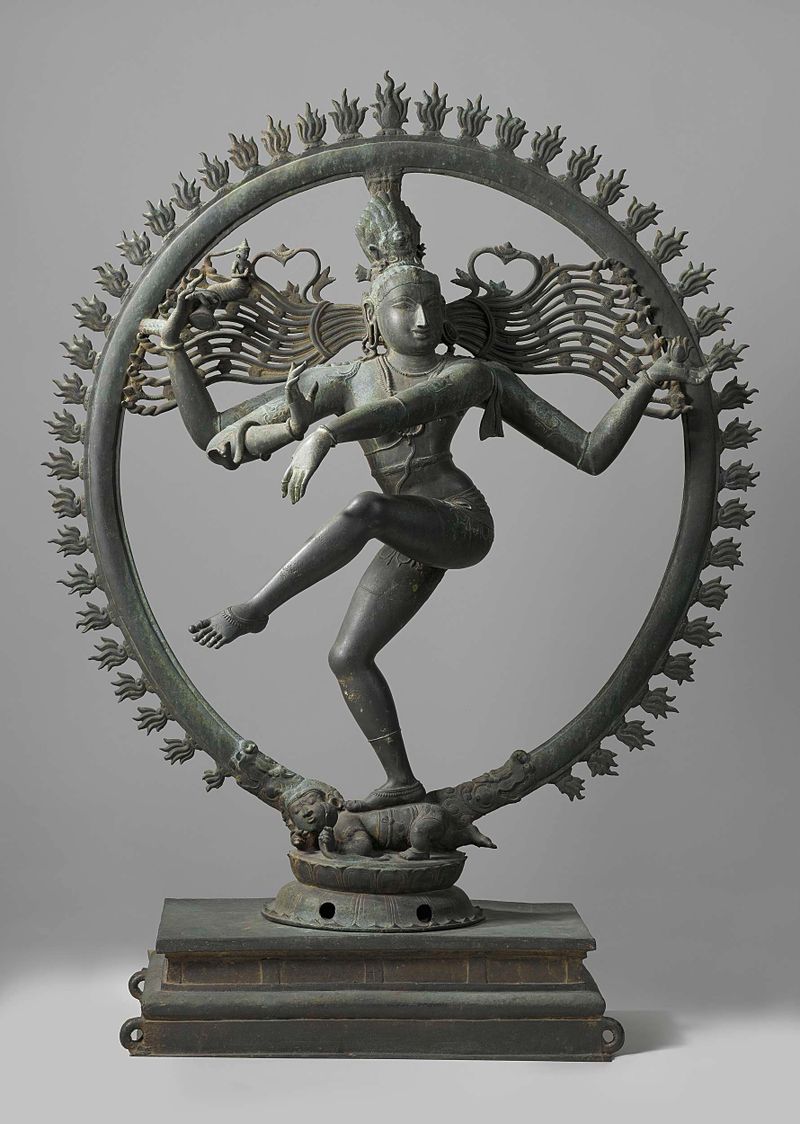
Shiva Nataraja
Unknown Artist
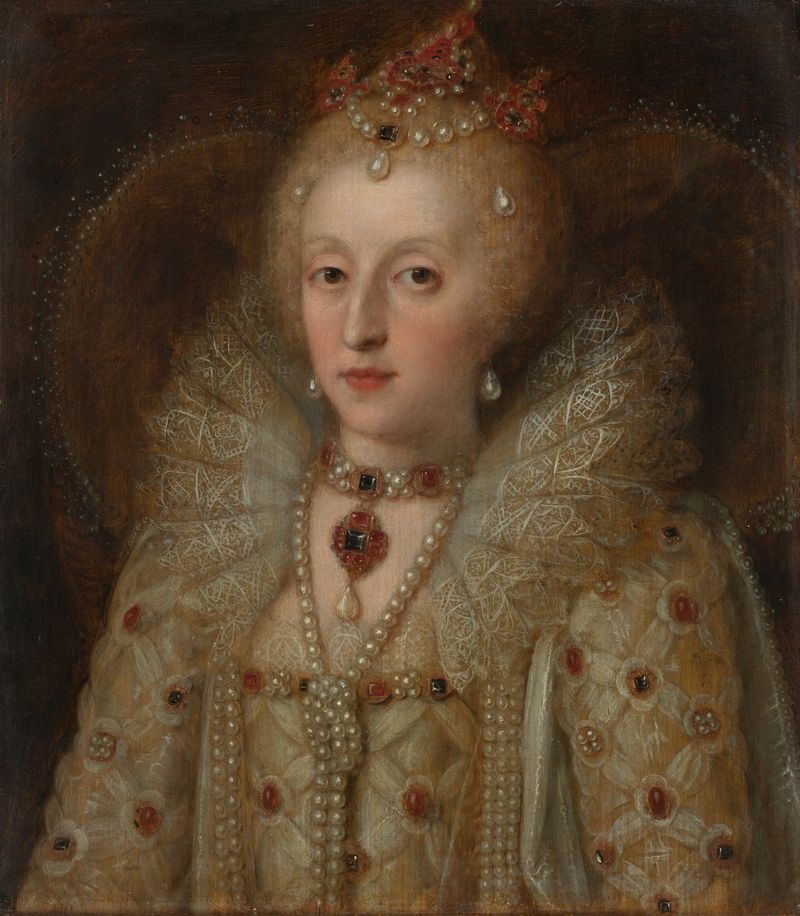
Portrait of Elizabeth I, Queen of England
Unknown Artist
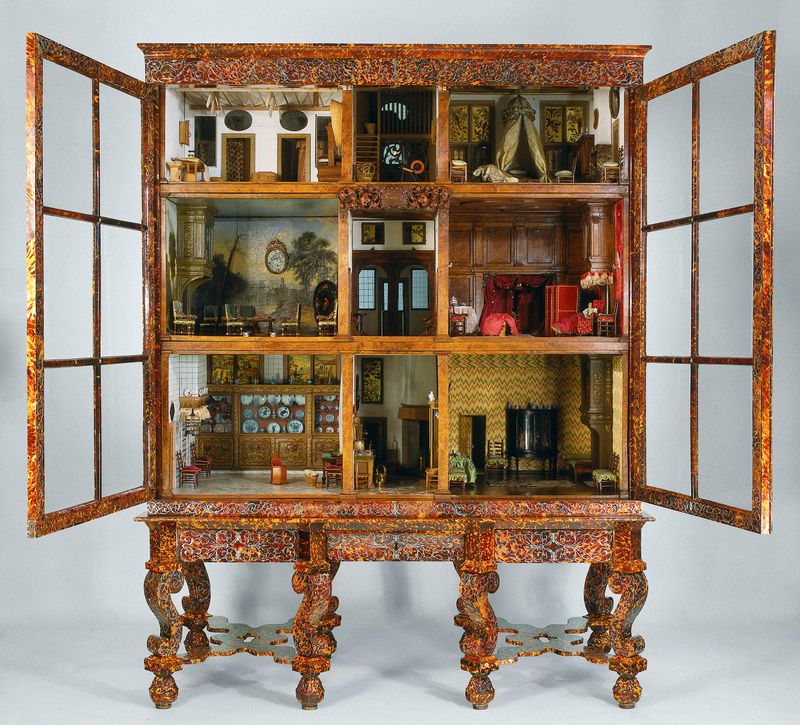
Dolls’ house of Petronella Oortman
Unknown Artist
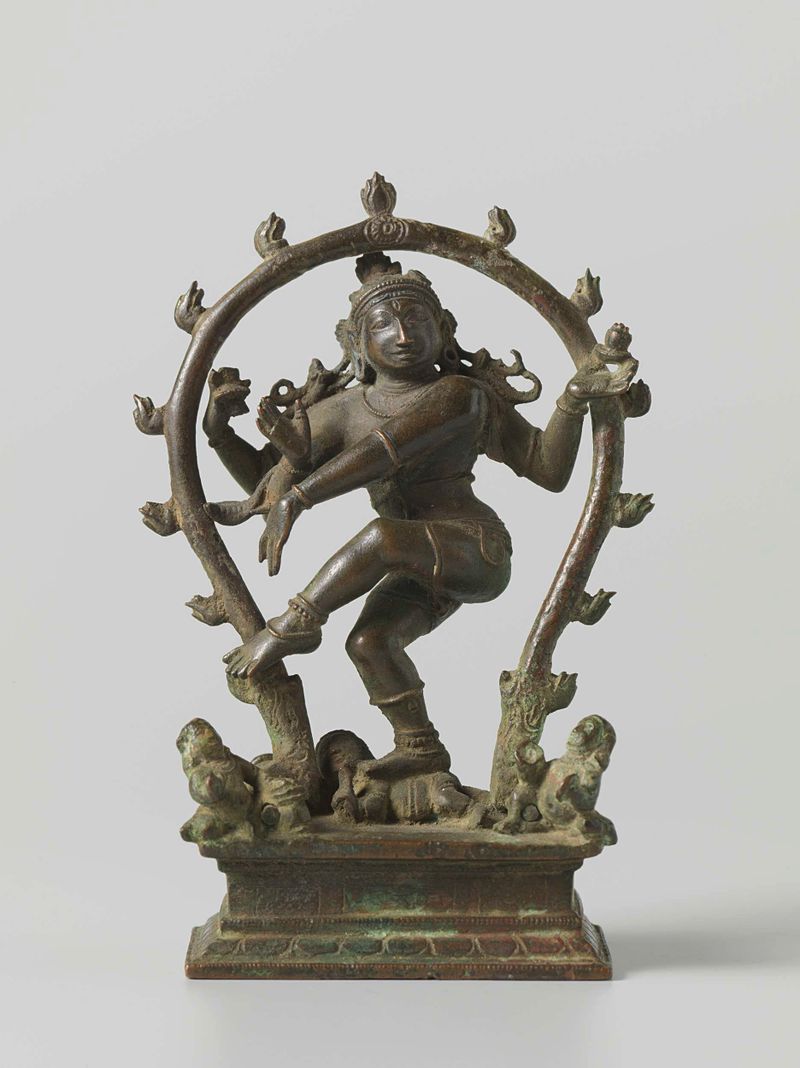
Shiva Nataraja
Unknown Artist

The Tale of Genji
Unknown Artist

The Tale of Genji
Unknown Artist

Cong
Unknown Artist
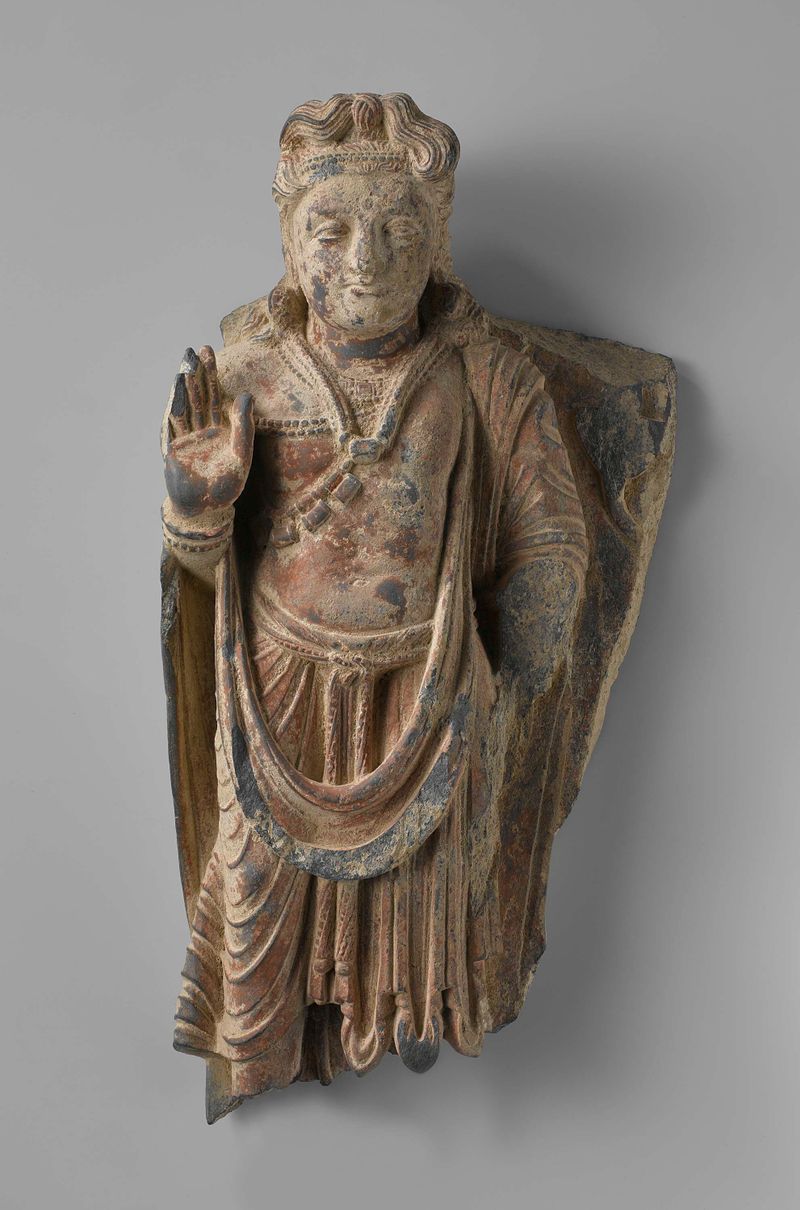
The bodhisattva Maitreya
Unknown Artist

Teabowl with a 'hare's fur' glaze
Unknown Artist
More Architecture Art
Browse all →
The statue of Liberty
Frédéric Auguste Bartholdi

View of Houses in Delft, Known as ‘The Little Street’
Johannes Vermeer

View of Houses in Delft, Known as ‘The Little Street’
Johannes Vermeer

The Cathedral in Rouen. The portal, Grey Weather
Claude Monet

The yellow house
Vincent van Gogh

The Church in Auvers-sur-Oise, View from the Chevet
Vincent van Gogh