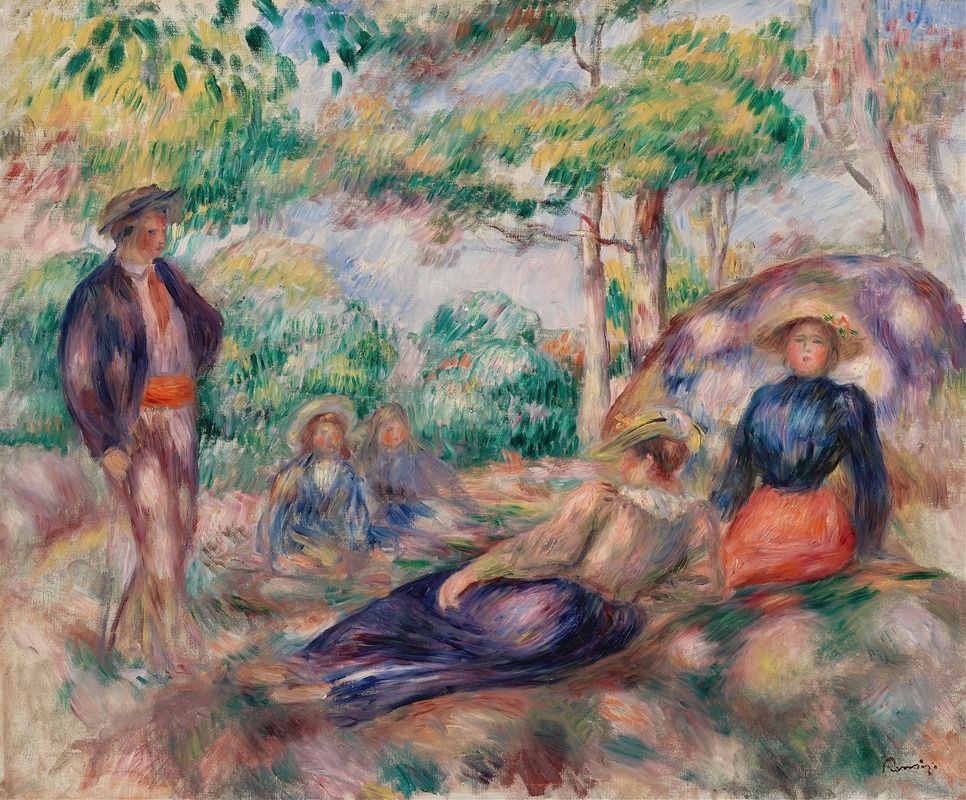
Discover insights about this artwork
Arearea (Joyfulness) — History & Facts
In Arearea (Joyfulness), Paul Gauguin presents a lively scene filled with vibrant colors. The painting features figures engaged in joyful activities, surrounded by lush tropical foliage. The warm hues of yellow, orange, and green create a sense of happiness and celebration.
Gauguin's use of bold colors enhances the overall feeling of joyfulness in the artwork. This painting is an oil on canvas, measuring approximately 90 x 70 cm. Gauguin employs a style characteristic of Post-Impressionism, focusing on color and emotion rather than realistic representation. The brushwork is expressive, with thick applications of paint that add texture to the scene.
The composition draws the viewer's eye through the arrangement of figures and the surrounding landscape. Paul Gauguin created Arearea (Joyfulness) during his time in Tahiti, where he sought to escape European civilization. This work reflects his fascination with the local culture and the joy he found in it. An interesting fact about this painting is that it exemplifies Gauguin's shift towards using color as a means of expression, moving away from traditional techniques.
The painting is now housed in the Musee d'Orsay in Paris.
More Artworks by Paul Gauguin
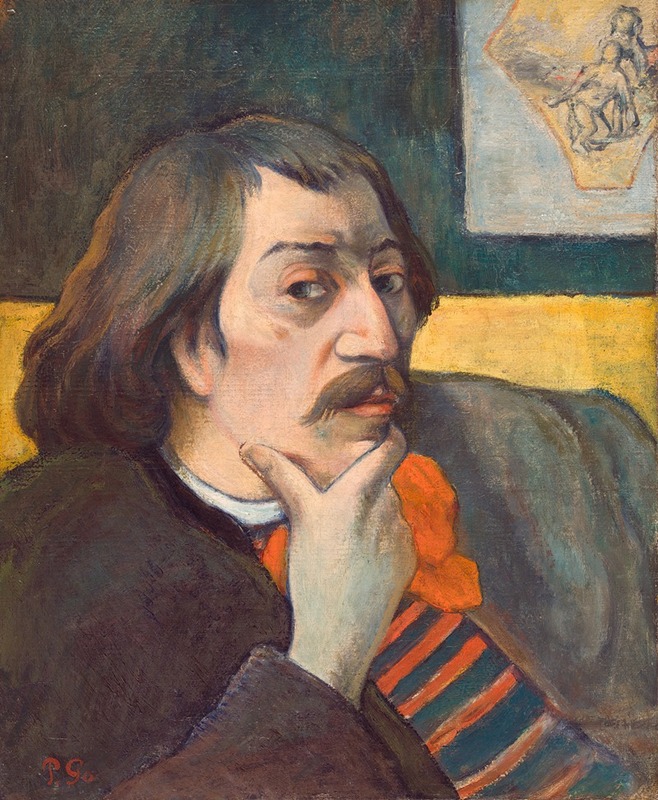
Self Portrait
Paul Gauguin
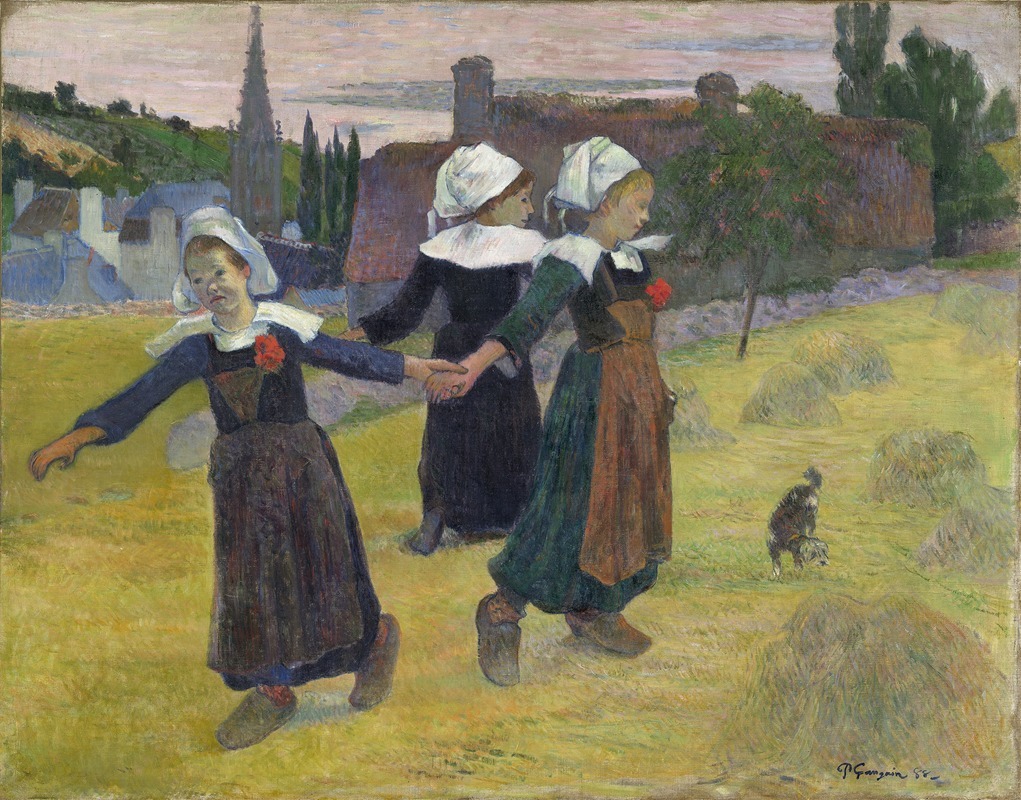
Breton Girls Dancing,Pont-Aven
Paul Gauguin
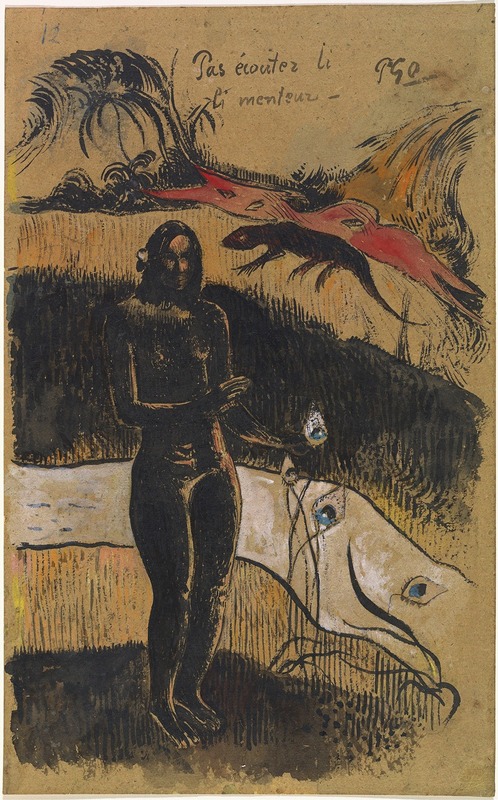
Nave Nave Fenua
Paul Gauguin
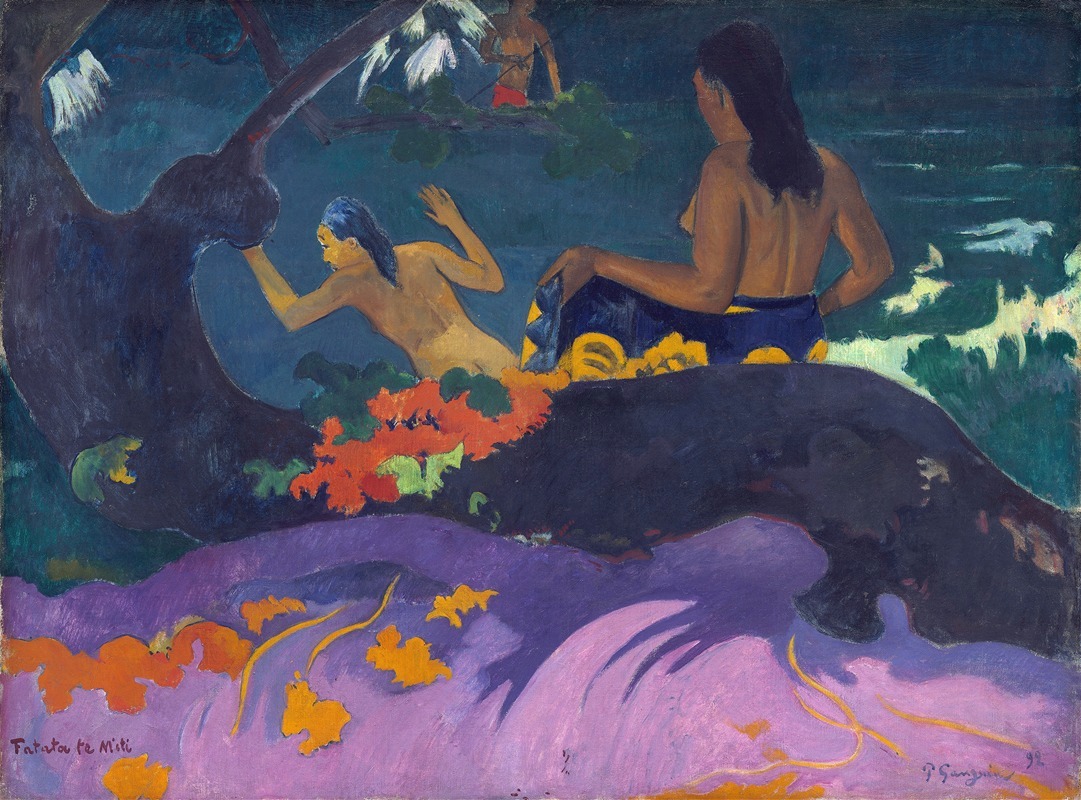
Fatata te Miti (By the Sea)
Paul Gauguin
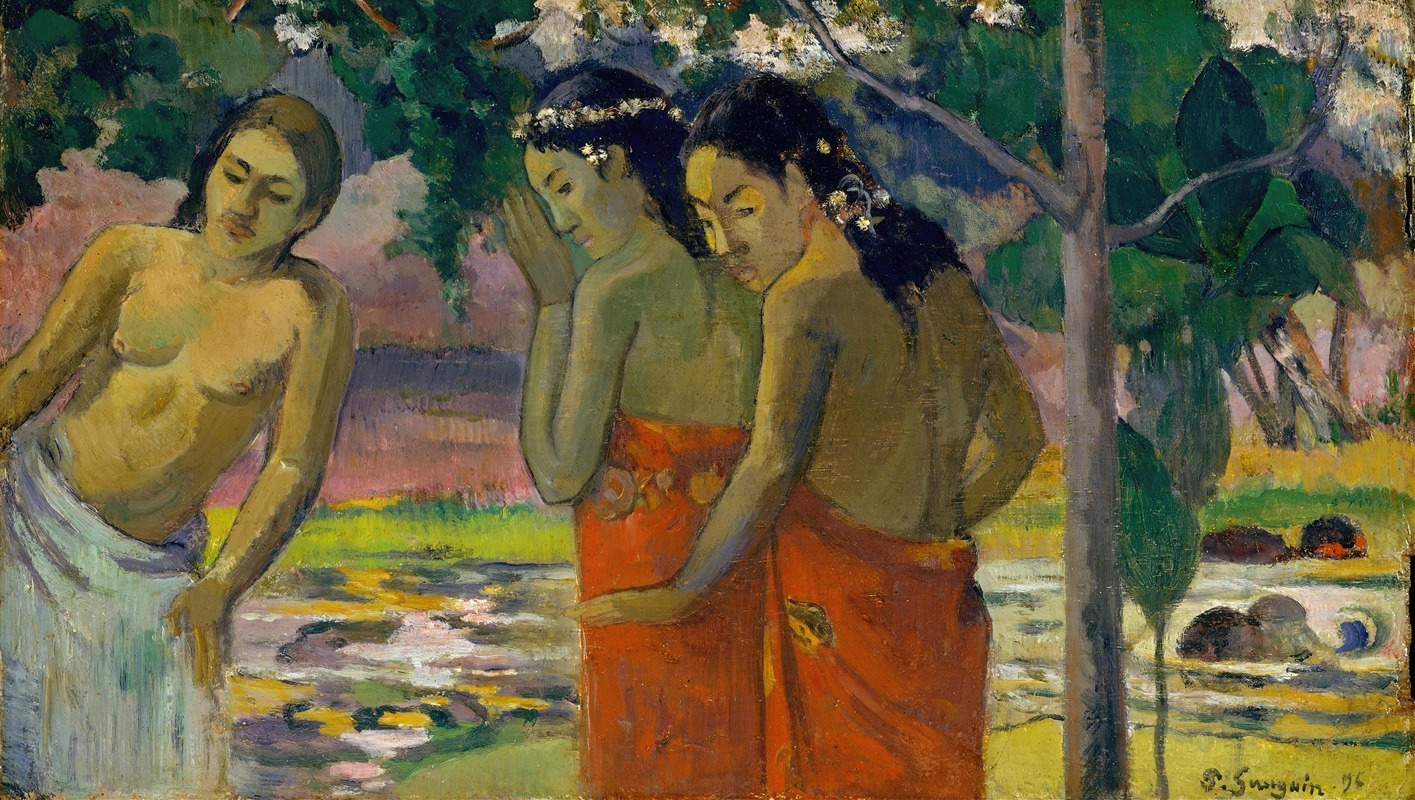
Three Tahitian Women
Paul Gauguin
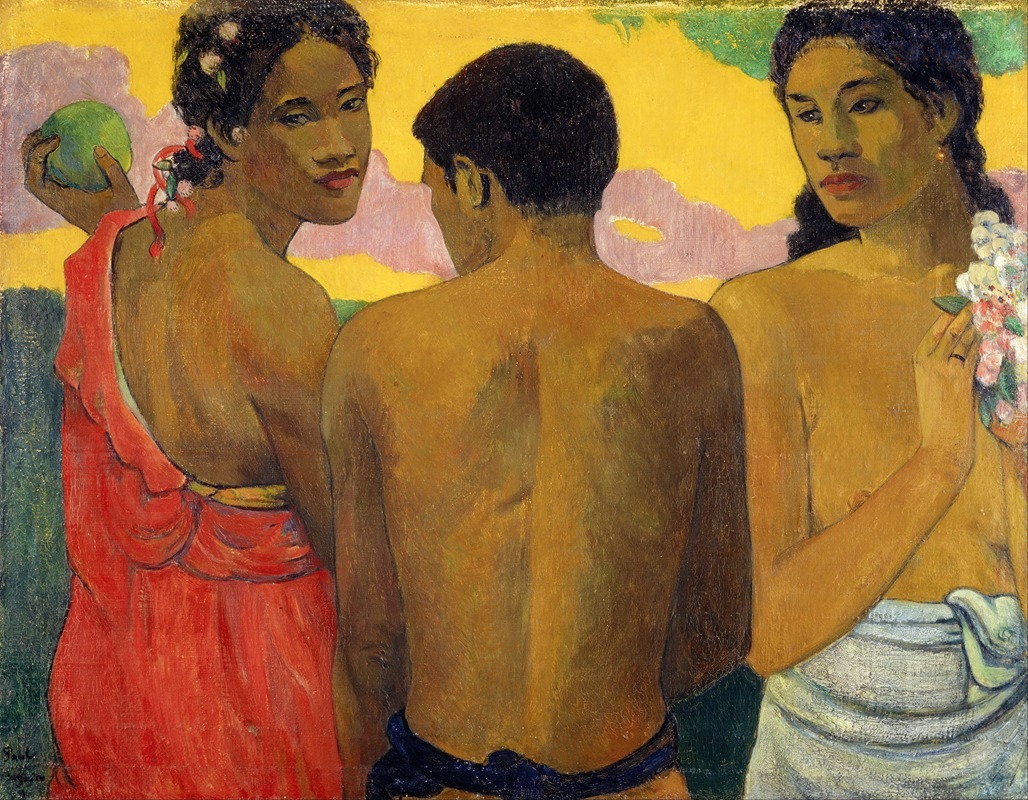
Three Tahitians
Paul Gauguin
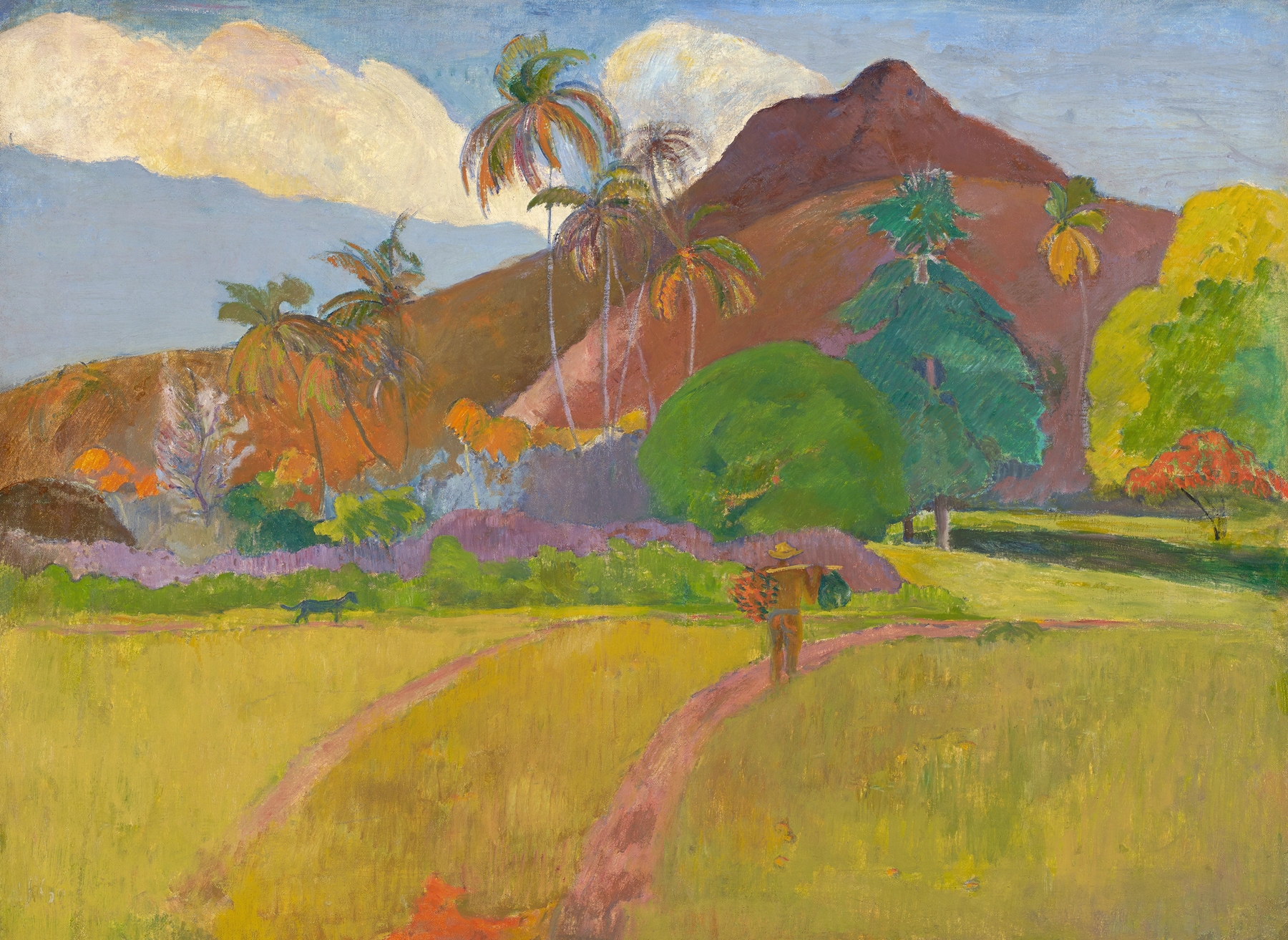
Tahitian Landscape
Paul Gauguin
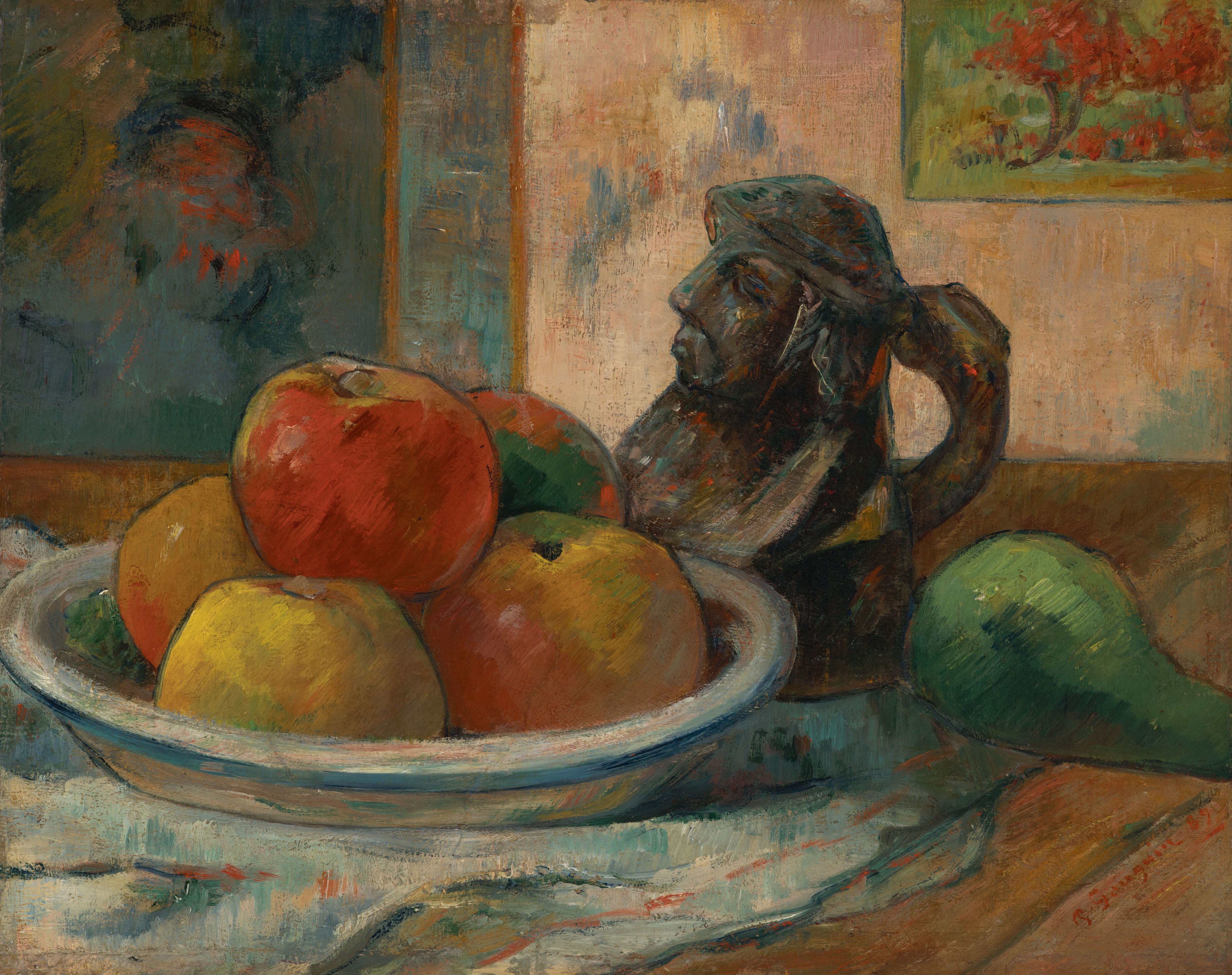
Still Life with Apples, a Pear, and a Ceramic Portrait Jug
Paul Gauguin
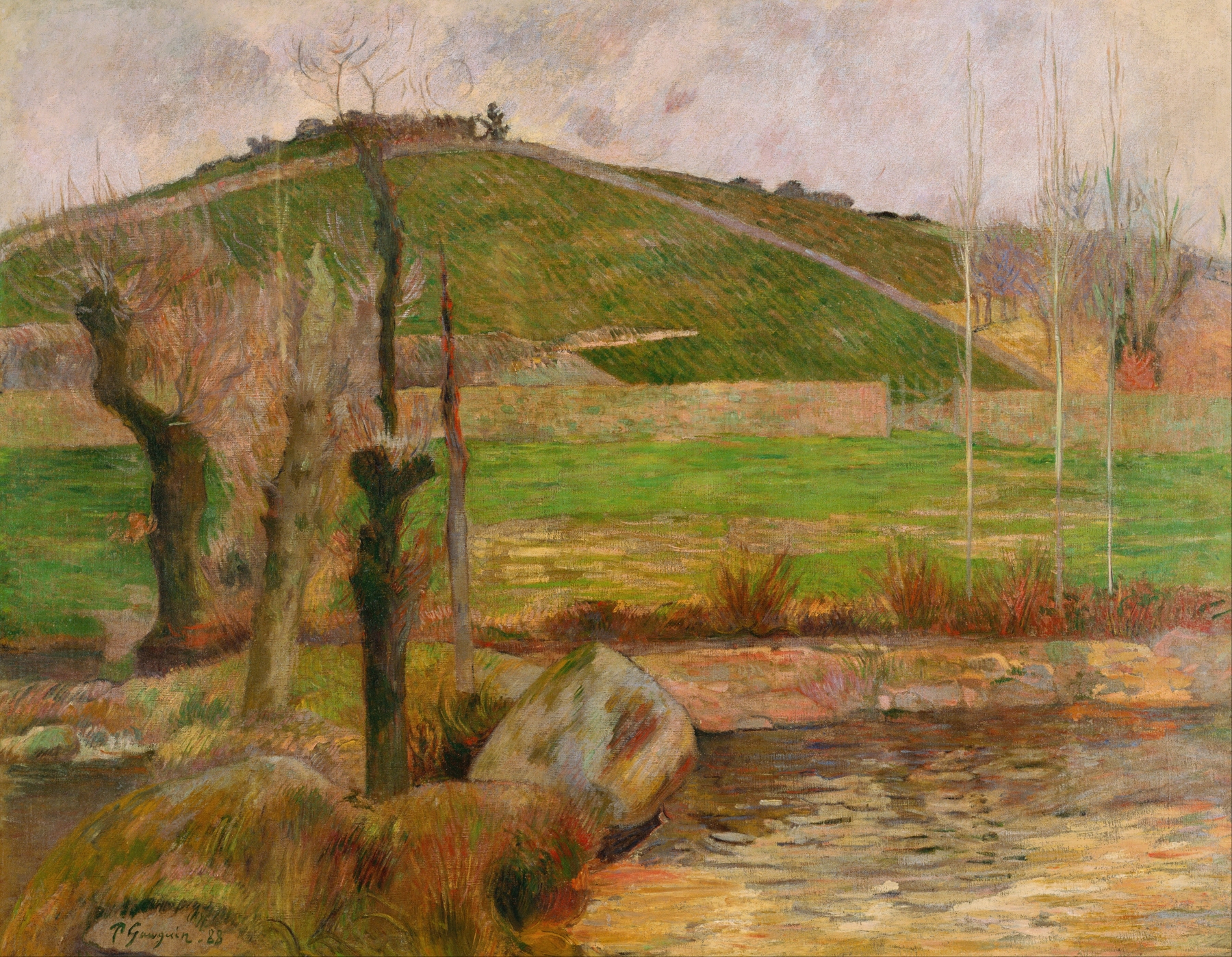
Landscape near Pont-Aven
Paul Gauguin

No te aha oe riri (Why Are You Angry?)
Paul Gauguin