
Arend — History & Facts
Can paint confess what words never could? Here, illusion dances delicately between reality and abstraction, inviting the viewer to explore the unspoken depths of the human experience. Now, look to the center of the canvas, where a figure emerges, shrouded in layers of soft, ethereal light. The artist’s meticulous brushwork creates a harmonious interplay of shadow and luminosity, each stroke revealing the subject’s contemplative gaze. Notice the muted palette of browns and greens that envelop the figure, evoking a sense of tranquility while simultaneously hinting at the unresolved tensions of their existence. Dig deeper into the details, where subtle contrasts unfold.
The folds of fabric draping the figure suggest both comfort and confinement, reflecting an internal struggle between desire and restraint. The background blurs into a hazy abstraction, allowing the viewer to project their own emotions onto the canvas, as though the figure stands at the intersection of myriad untold stories. This tension between clarity and ambiguity embodies the illusion the artist crafts—a mirror reflecting our own complexities. Created between 1654 and 1712, this work belongs to an era marked by rich artistic experimentation.
The unknown artist navigated a world steeped in Baroque influence, where emotional expression and the exploration of light were paramount. During this time, artists sought to convey profound themes without explicit narratives, allowing the viewer's imagination to fill the gaps—a powerful testament to the enduring power of visual art.
More Artworks by Unknown Artist
Browse all →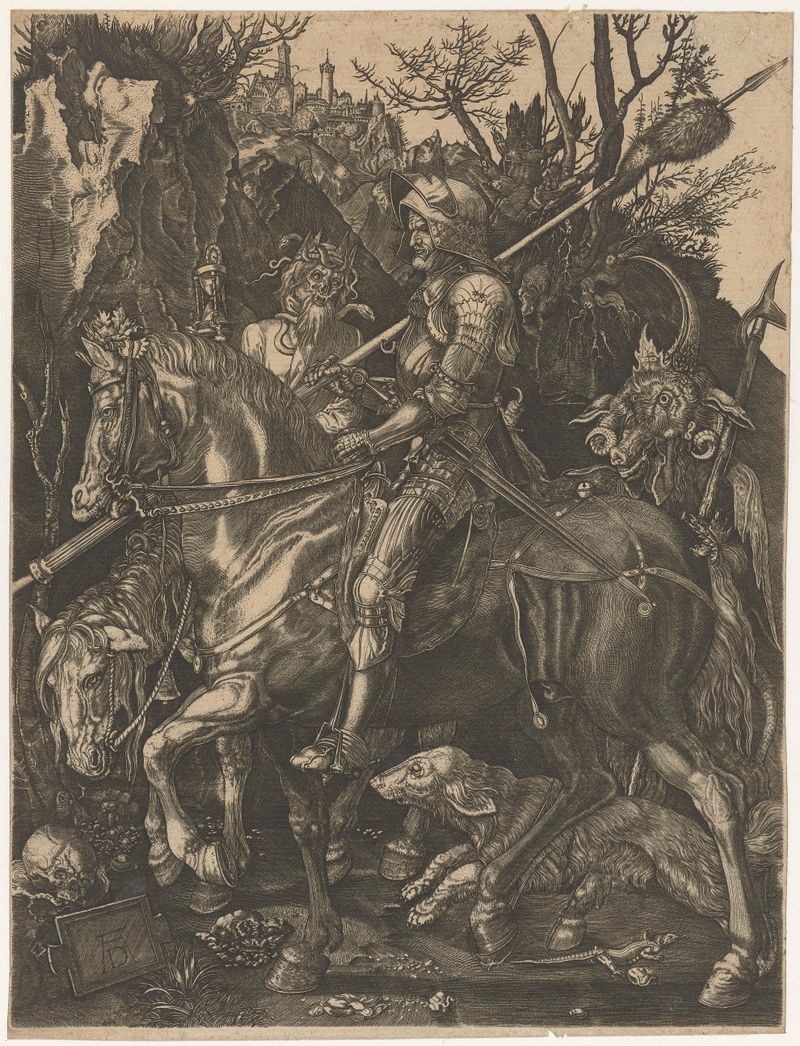
Ridder, Dood en Duivel
Unknown Artist
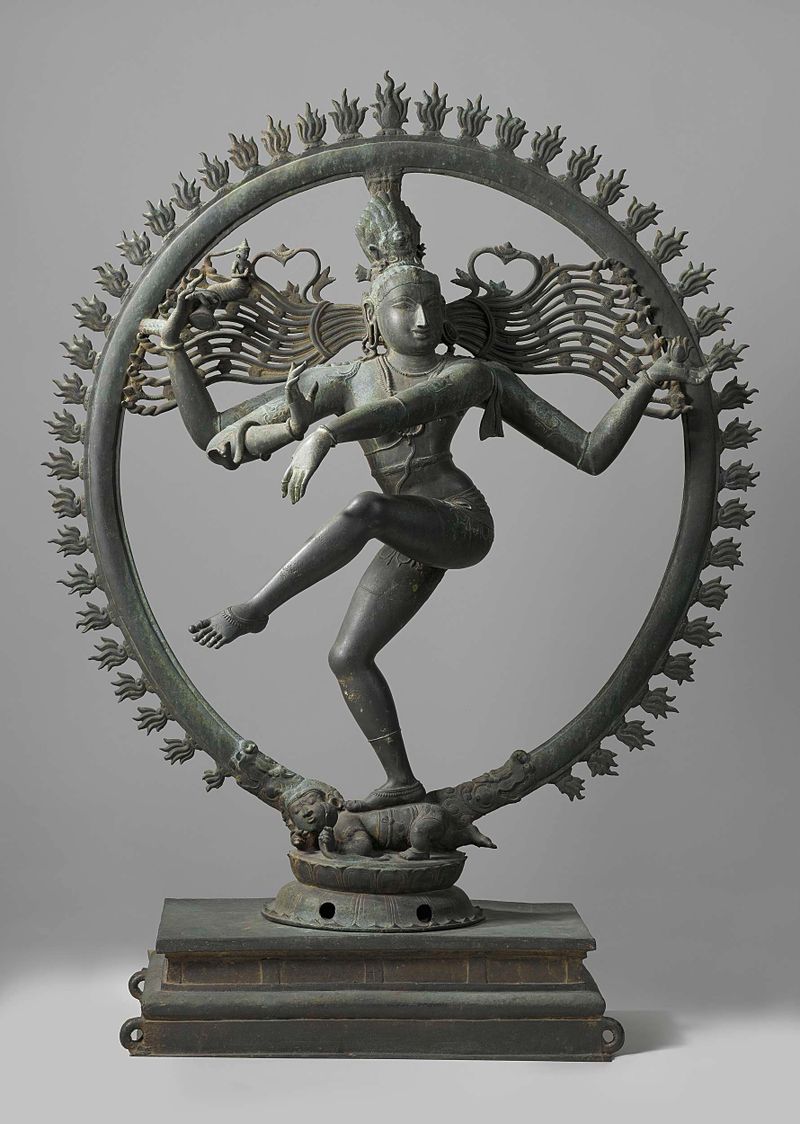
Shiva Nataraja
Unknown Artist
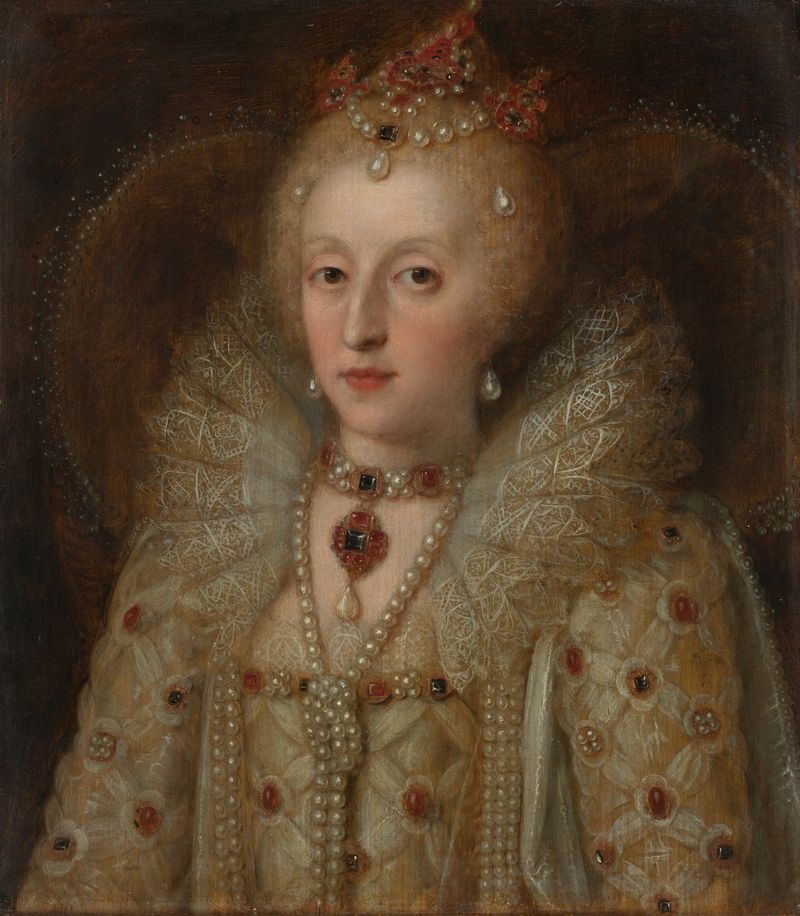
Portrait of Elizabeth I, Queen of England
Unknown Artist
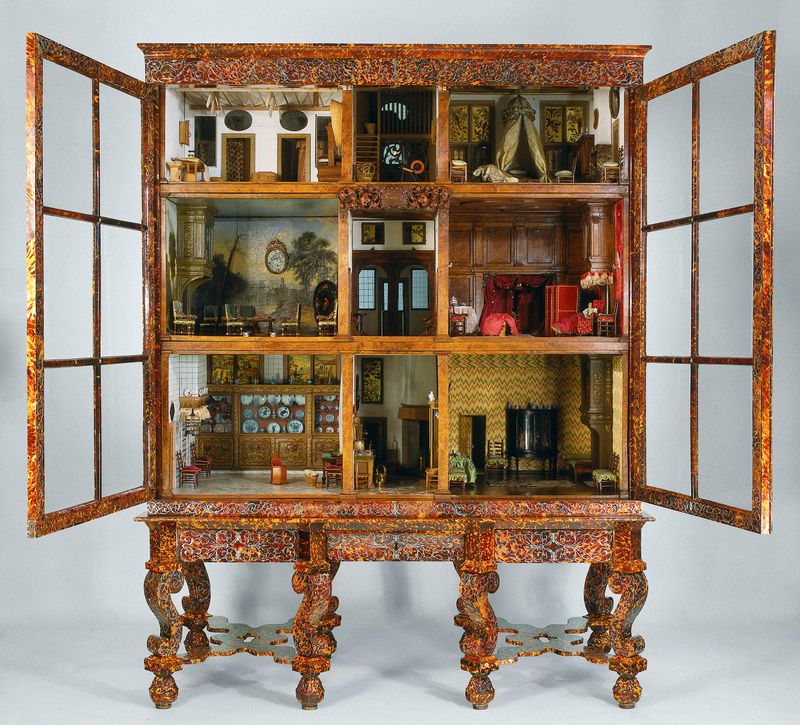
Dolls’ house of Petronella Oortman
Unknown Artist
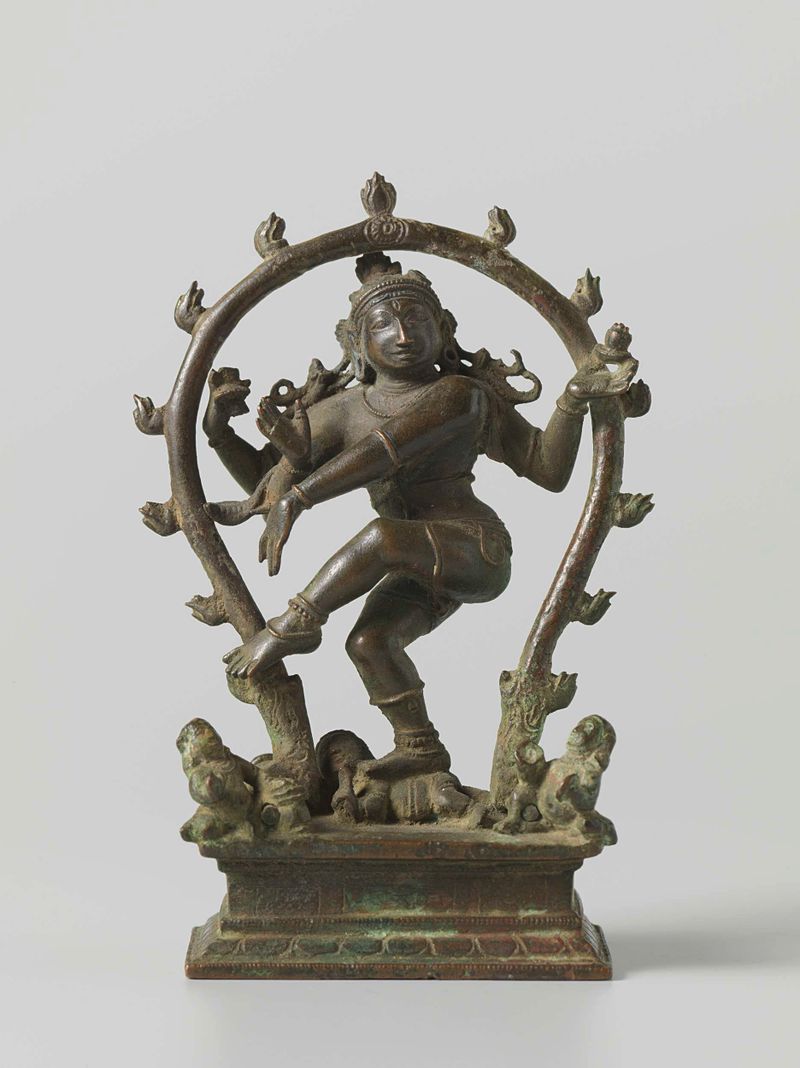
Shiva Nataraja
Unknown Artist

The Tale of Genji
Unknown Artist

The Tale of Genji
Unknown Artist
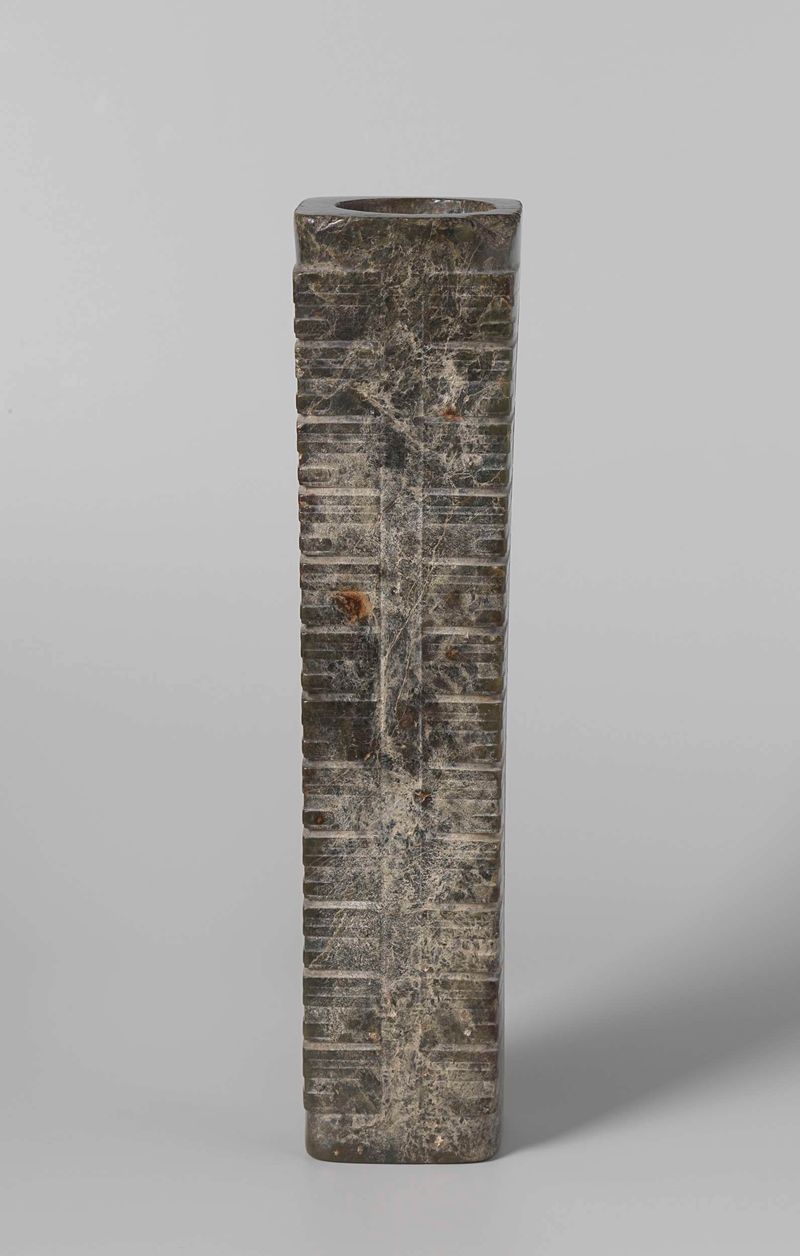
Cong
Unknown Artist
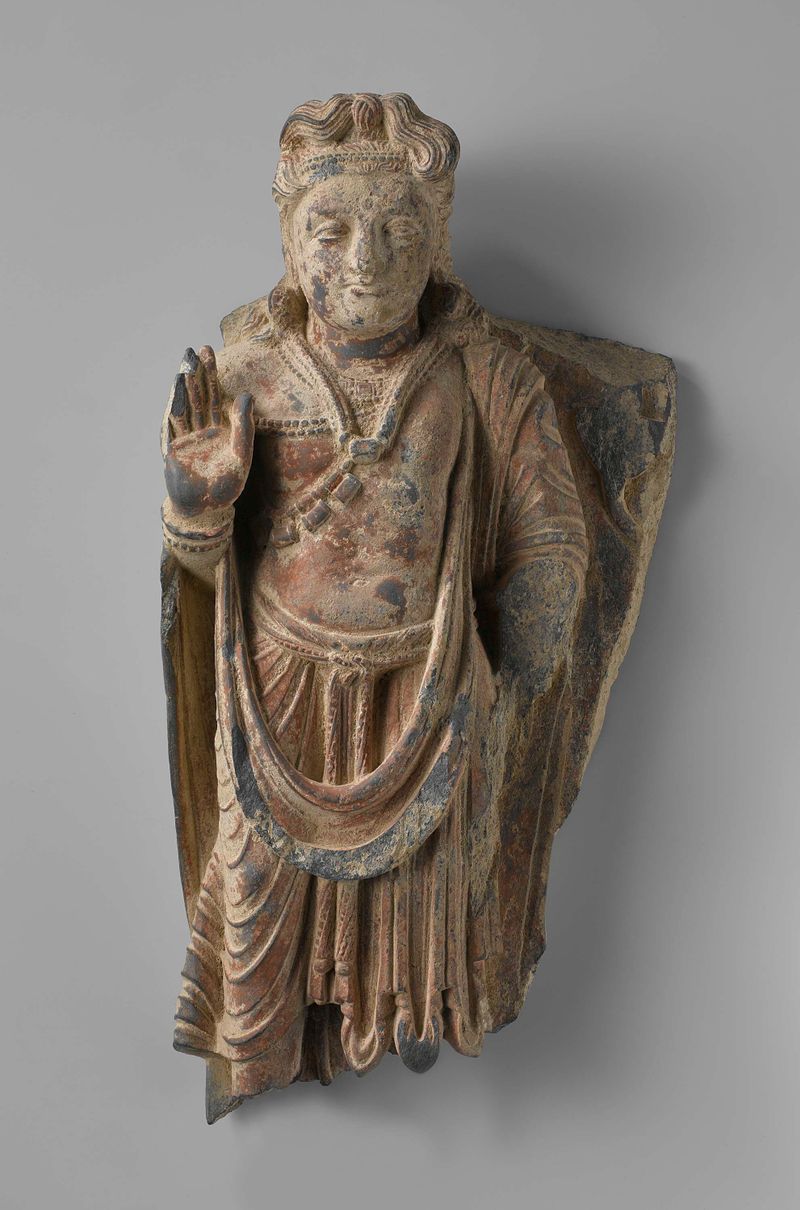
The bodhisattva Maitreya
Unknown Artist
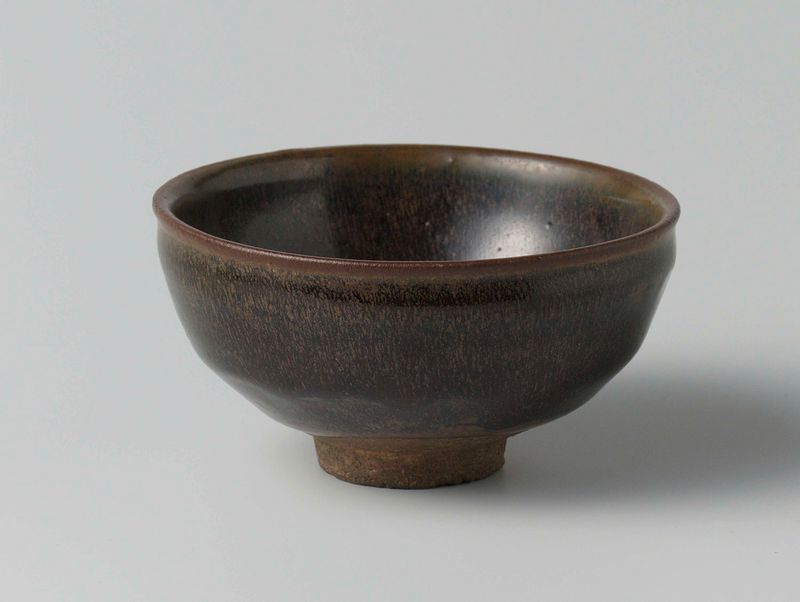
Teabowl with a 'hare's fur' glaze
Unknown Artist





