
Ariccia (Wooded Landscape And Monastery) — History & Facts
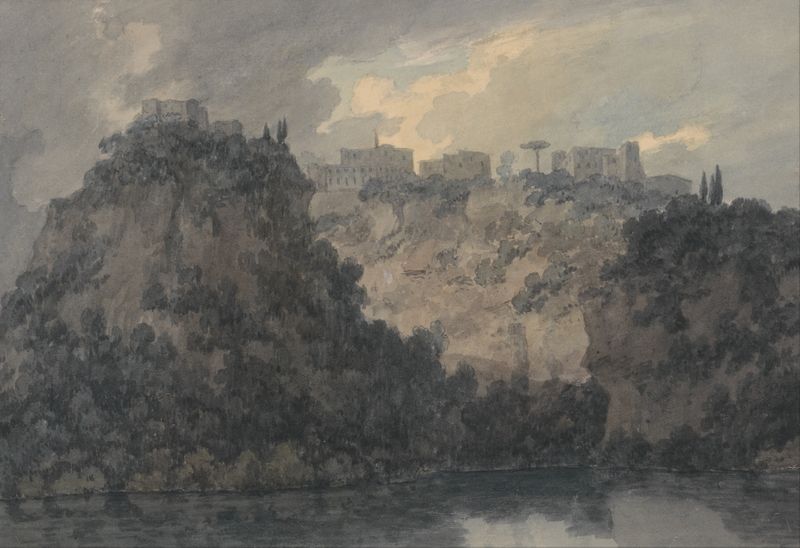
In the quiet embrace of nature, we find a timeless truth, both haunting and beautiful. Focus on the sweeping curves of the landscape, where soft greens and muted browns cradle the monastery like a cherished secret. The interplay of light and shadow dances across the textured canvas, drawing your eye to the delicate spires that reach for the sky. Notice how Cozens masterfully blends the ethereal quality of watercolors, invoking an air of tranquility and reverence within the scene, inviting reflection on the harmony between humanity and nature. As you delve deeper into the painting, consider the contrast between the solidity of the monastery and the fluidity of the trees surrounding it.
This juxtaposition speaks to the enduring presence of faith amid the ephemeral beauty of the natural world. The soft mist that envelops the hills suggests a veil of mystery, evoking emotions of longing and contemplation, urging the viewer to ponder the relationship between the earthly and the divine. In 1783, Cozens created this work during a time of personal turmoil, yet also a period rich with artistic exploration and the burgeoning Romantic movement. Nestled in the picturesque Italian landscape, he reflected on themes of solitude and spirituality, influenced by the artists who sought to capture nature's sublime essence.
His innovative use of color and form heralded a shift towards emotional expression in art, bridging the gap between traditional landscapes and deeper philosophical musings.
More Artworks by John Robert Cozens
Browse all →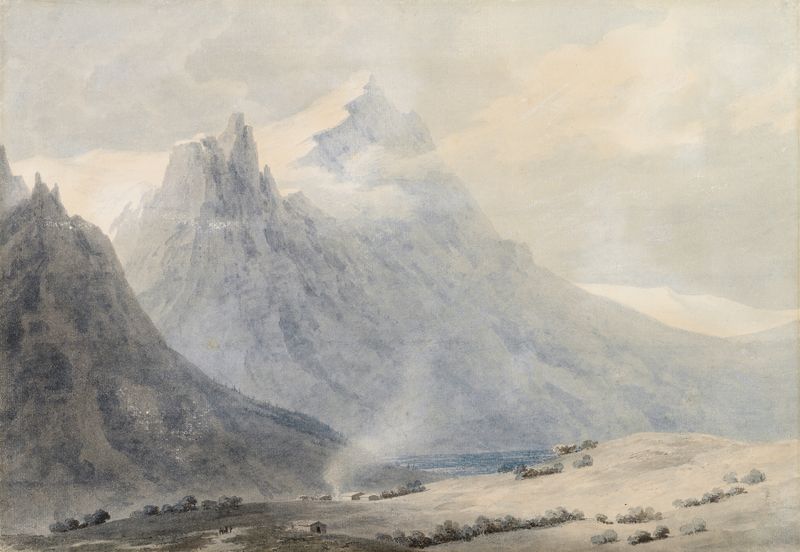
A Valley in the Unterwalden Canton, Switzerland
John Robert Cozens
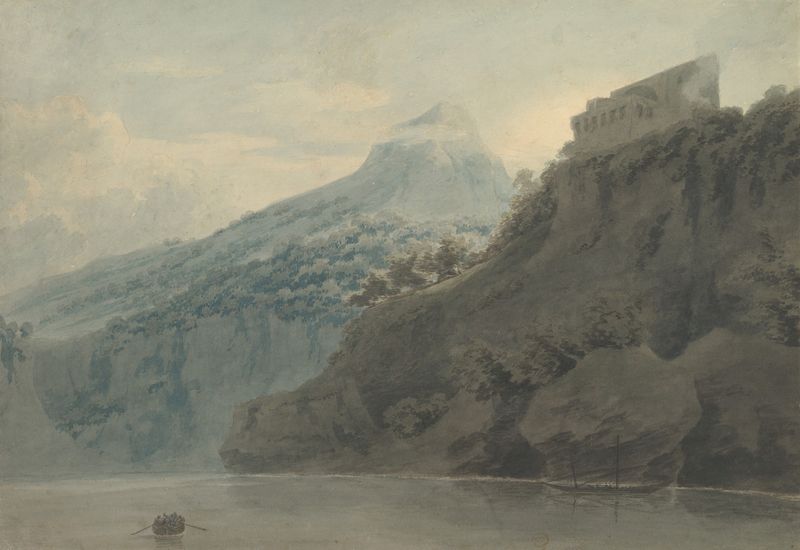
On the Gulf of Salerno near Vietri
John Robert Cozens
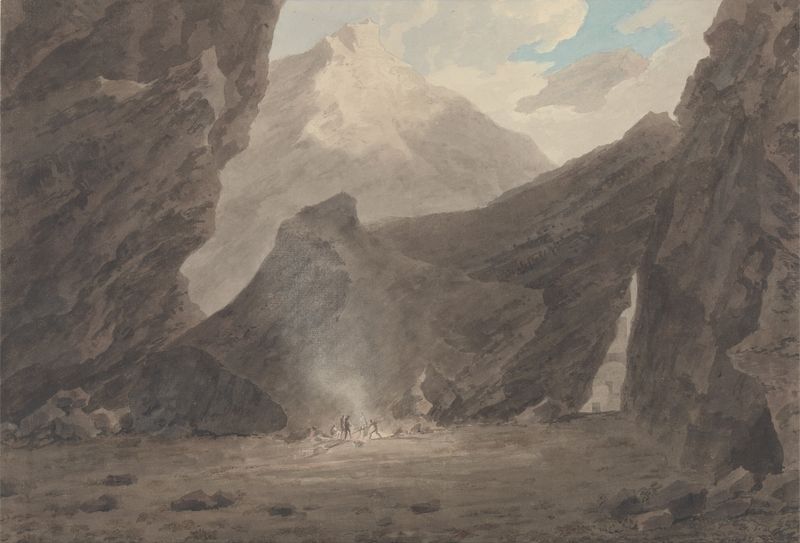
Near Chiavenna in the Grisons
John Robert Cozens
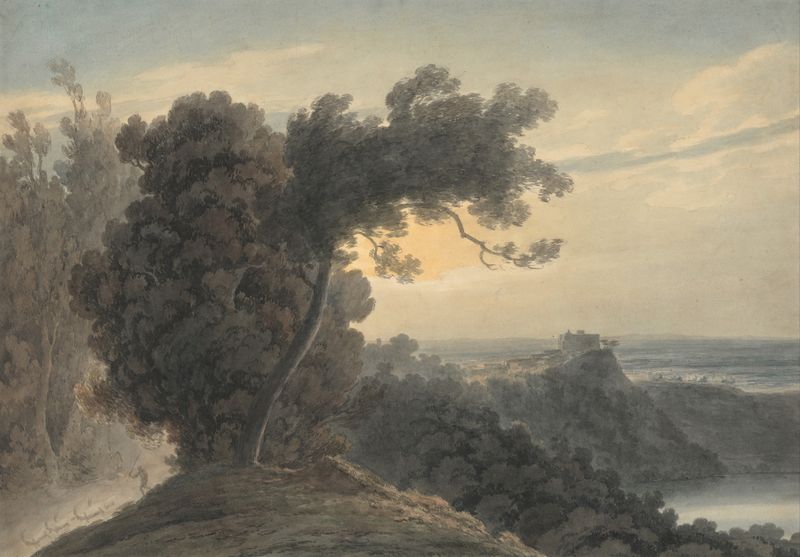
The Lake of Albano and Castel Gandolfo
John Robert Cozens
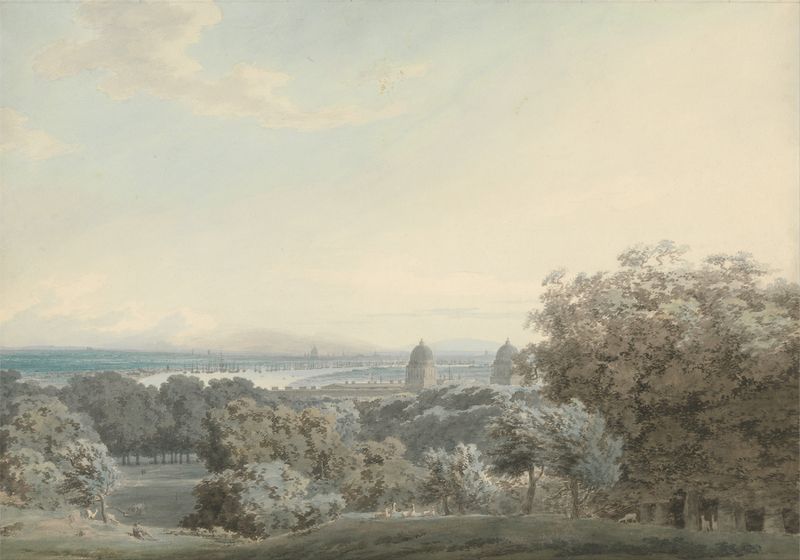
London from Greenwich Hill
John Robert Cozens
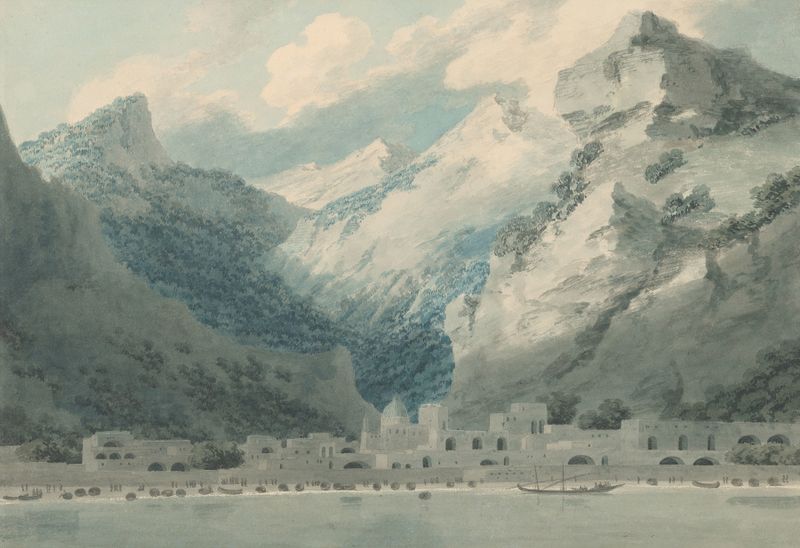
Cetara on the Gulf of Salerno
John Robert Cozens
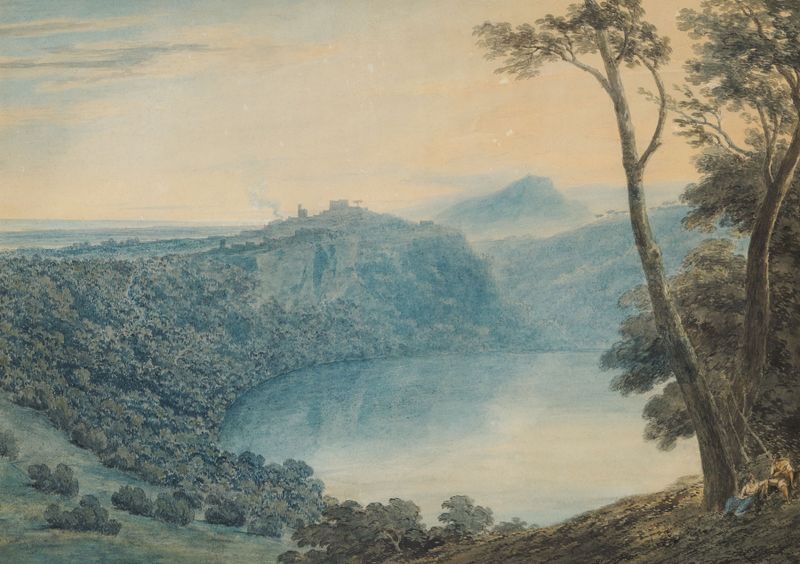
Lake Nemi And Town Of Genzano
John Robert Cozens
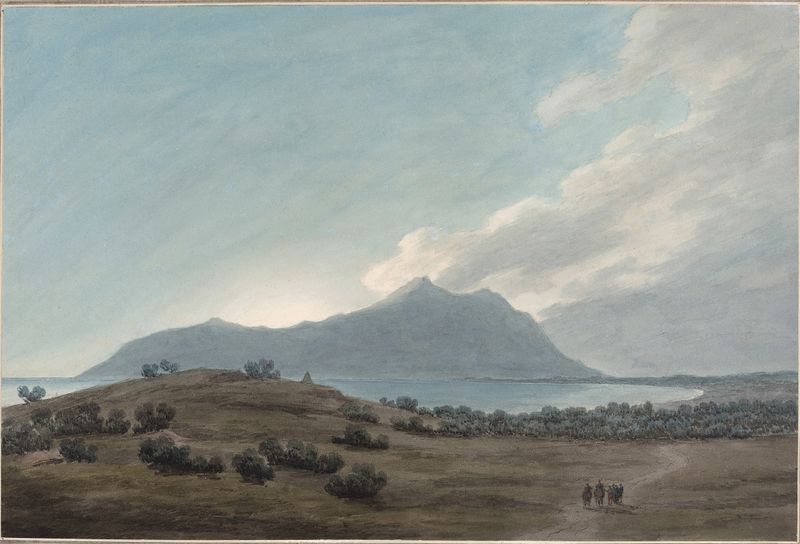
Monte Circeo at Sunset
John Robert Cozens
On the Lake of Nemi
John Robert Cozens
View of the Villa Lante on the Janiculum in Rome
John Robert Cozens





