
Cetara on the Gulf of Salerno — History & Facts
In this tranquil portrayal of a coastal village, the essence of rebirth resonates through the gentle flow of the scene. The artist captures a moment where nature and humanity intertwine, hinting at the promise of new beginnings amid the timeless backdrop of the Gulf of Salerno. Look to the horizon, where the azure sky delicately melds into the water’s surface, creating a seamless transition that breathes life into the composition. Notice the soft brushwork that defines the village of Cetara, its pastel-hued structures nestled against the rocky shoreline.
The warm daylight casts a golden hue, inviting the viewer to explore every crevice and shadow, revealing the delicate interplay between the land and sea. Beyond the picturesque elements lies a deeper narrative—the contrasts between man’s transient creations and nature’s eternal presence. The curved coastline symbolizes the cyclical nature of life, while the inviting calm of the water reminds us of the serenity found in stillness. Each building, though humble, stands as a testament to resilience, echoing the theme of rebirth against the vast, unchanging sea. In 1790, John Robert Cozens painted this work during a time when Neoclassicism was yielding to Romanticism, reflecting a shift towards emotional and natural themes in art.
Living in England but inspired by his travels, Cozens’ experience on the Italian coast not only influenced his technique but also marked a pivotal moment in his artistic development, merging a sense of place with profound emotional resonance.
More Artworks by John Robert Cozens
Browse all →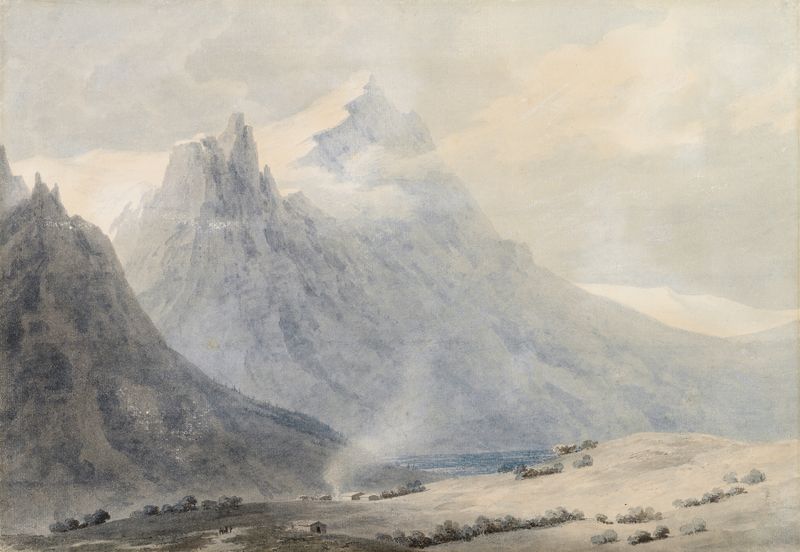
A Valley in the Unterwalden Canton, Switzerland
John Robert Cozens
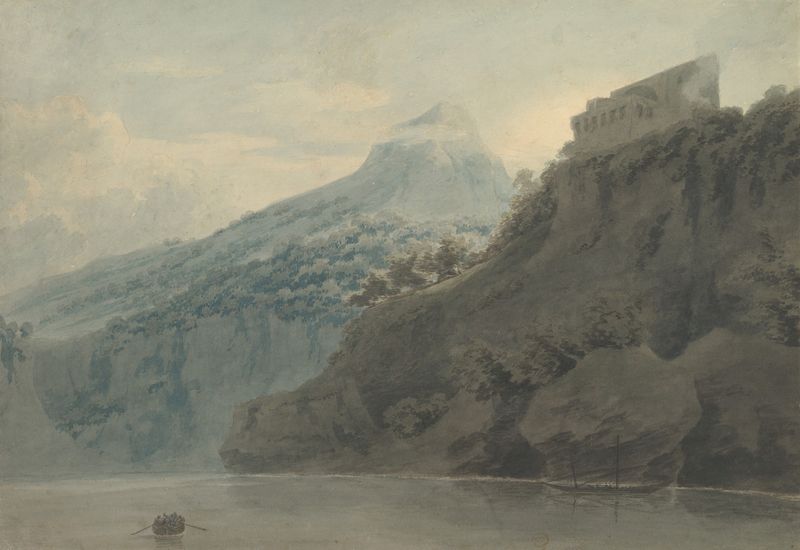
On the Gulf of Salerno near Vietri
John Robert Cozens
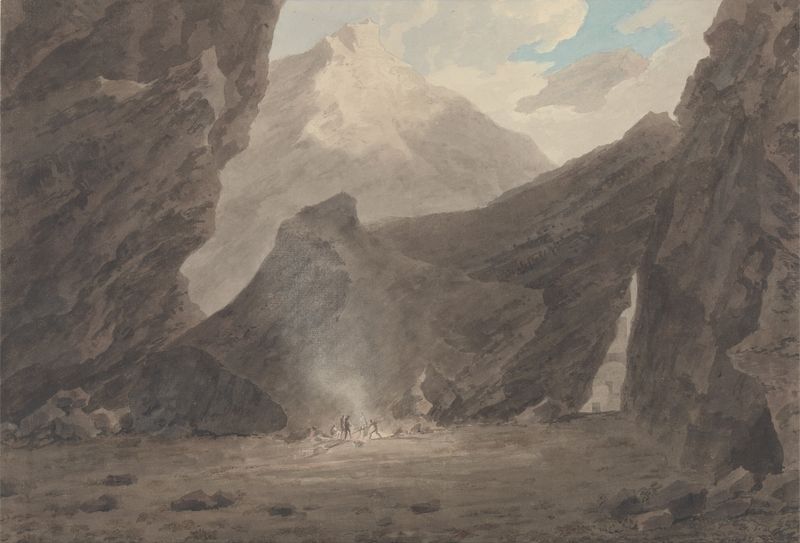
Near Chiavenna in the Grisons
John Robert Cozens
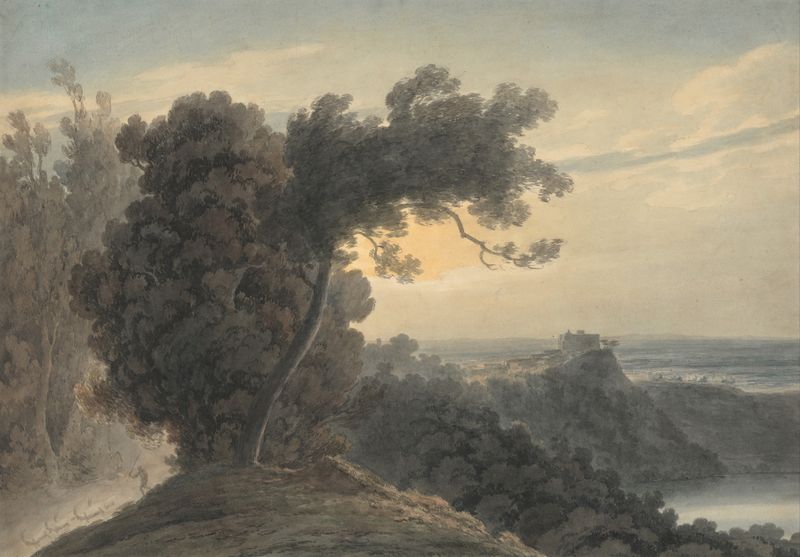
The Lake of Albano and Castel Gandolfo
John Robert Cozens
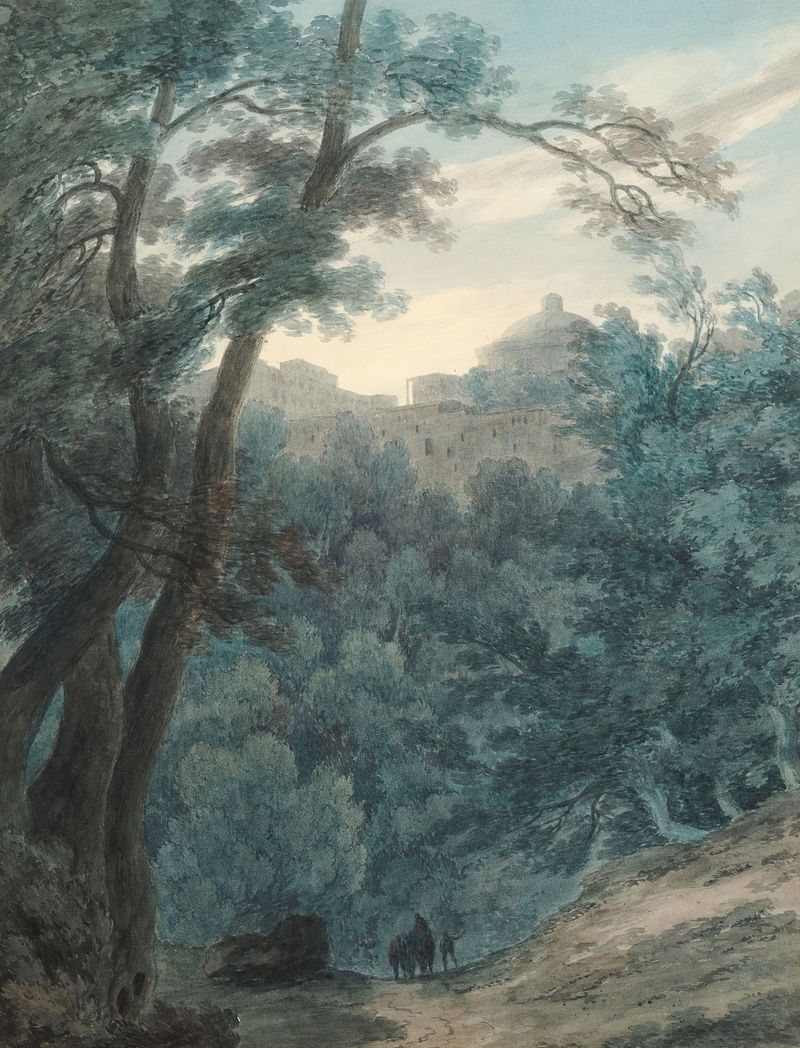
Ariccia (Wooded Landscape And Monastery)
John Robert Cozens
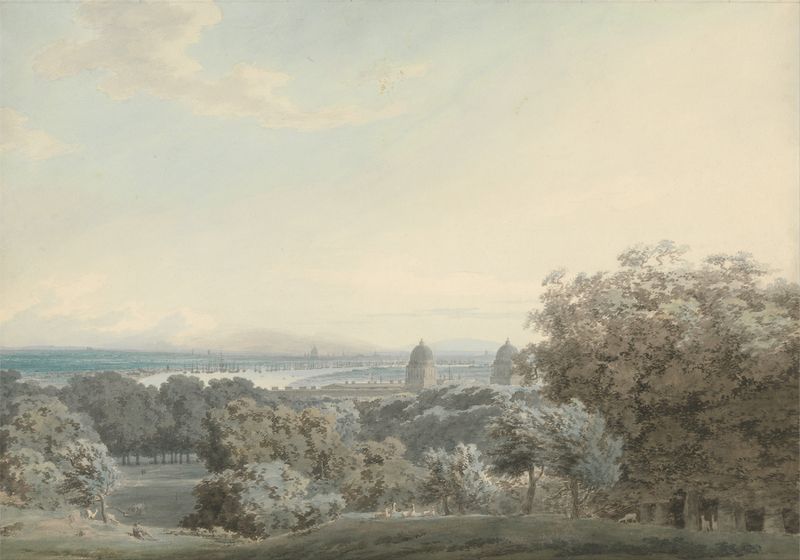
London from Greenwich Hill
John Robert Cozens
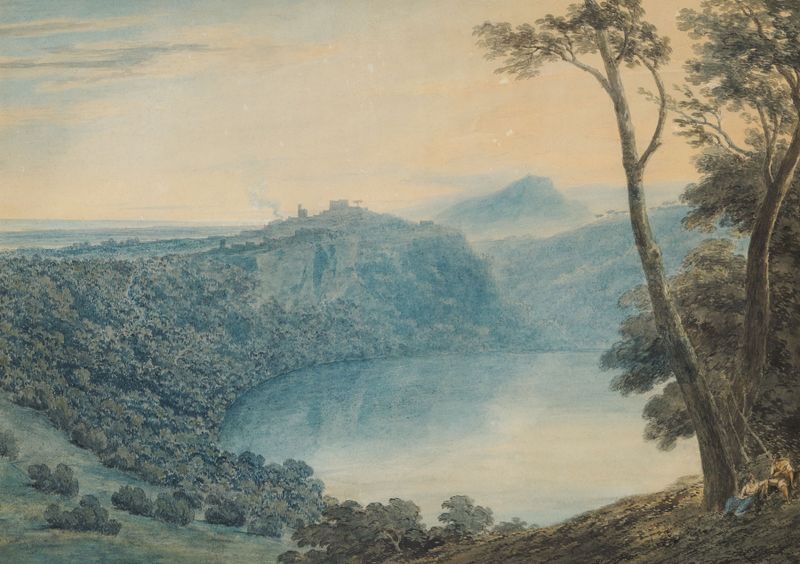
Lake Nemi And Town Of Genzano
John Robert Cozens
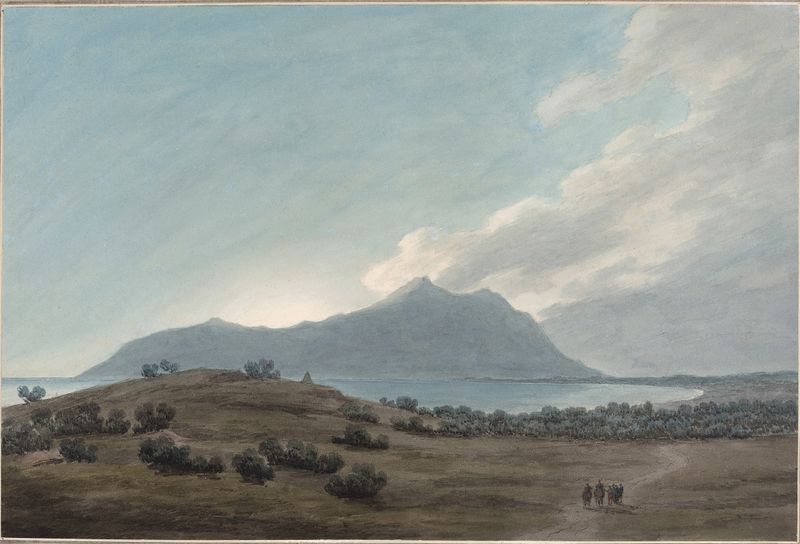
Monte Circeo at Sunset
John Robert Cozens
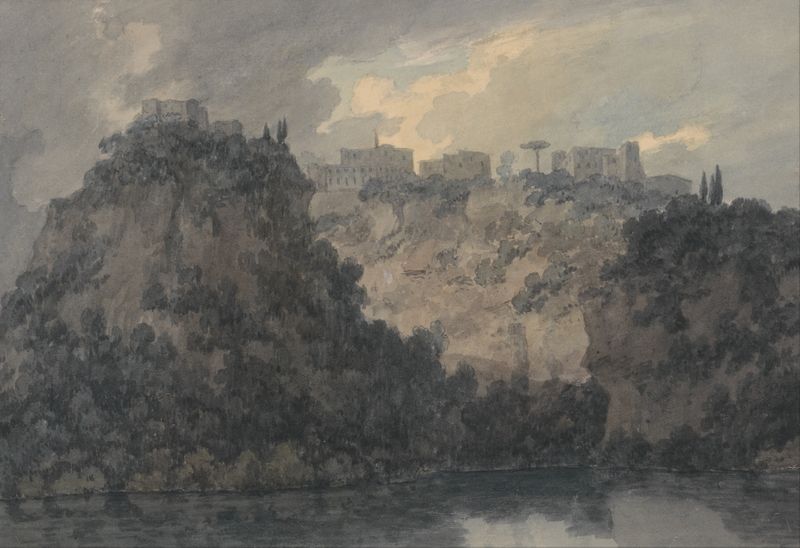
On the Lake of Nemi
John Robert Cozens
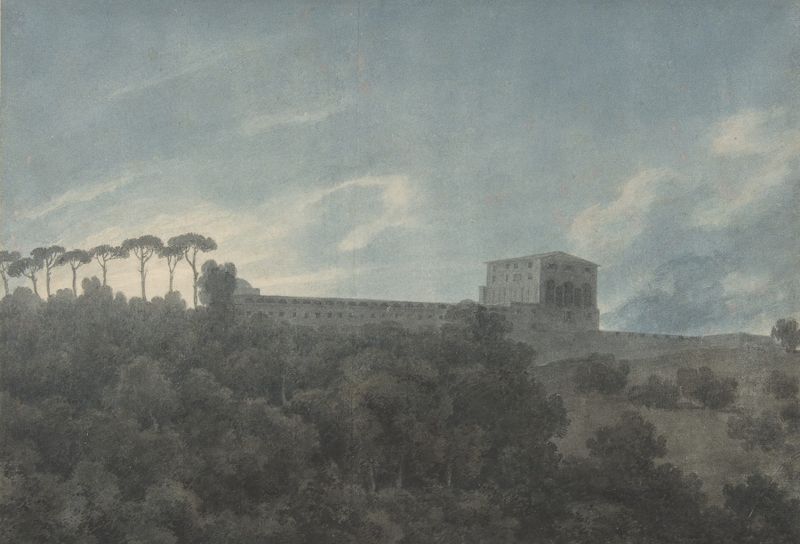
View of the Villa Lante on the Janiculum in Rome
John Robert Cozens





