
At the Edge of the Forest — History & Facts
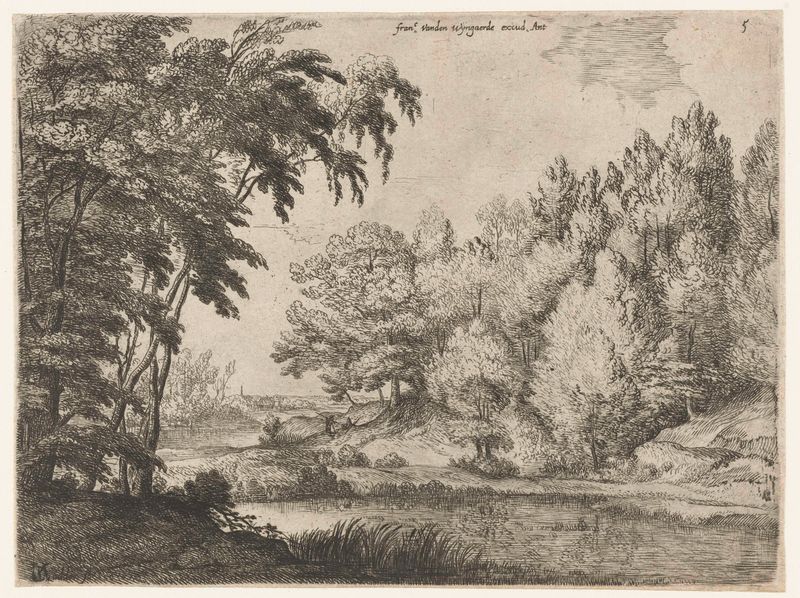
In the silence of twilight, decay becomes the canvas that holds the whispers of time. Here, amidst the encroaching forest, life and death intertwine in a delicate dance, urging us to ponder what lies beyond our immediate gaze. Look to the left at the stark contrast of vibrant greens and browns, where the trees stand like sentinels, their gnarled limbs reaching into the encroaching shadows. Notice how the light, filtered through the leaves, creates an ethereal glow that illuminates patches of earth strewn with fading petals and withering foliage.
Each brushstroke conveys a meticulous attention to detail, beckoning the viewer to explore the textures of decay that shape the forest's edge. The tension between vitality and deterioration unfolds in the lifeless branches, which are adorned with remnants of what once thrived. The scattered remnants of flowers, now lifeless and crumbling, evoke a deep sense of nostalgia, reflecting the impermanence of beauty. This interplay serves as a meditation on nature’s cyclical existence—a reminder that decay is not an end, but rather a necessary passage toward renewal. Created during the early 17th century, this piece emerged from the hand of Lodewijk de Vadder, a Flemish artist whose work often delved into the natural world.
Living within the vibrant art scene of Antwerp at the time, he was influenced by the burgeoning Baroque movement, which celebrated dramatic contrasts and heightened emotions. Through this work, he captured not only the essence of the forest but also the profound truths about life and the inevitable decay that accompanies it.
More Artworks by Lodewijk de Vadder
Browse all →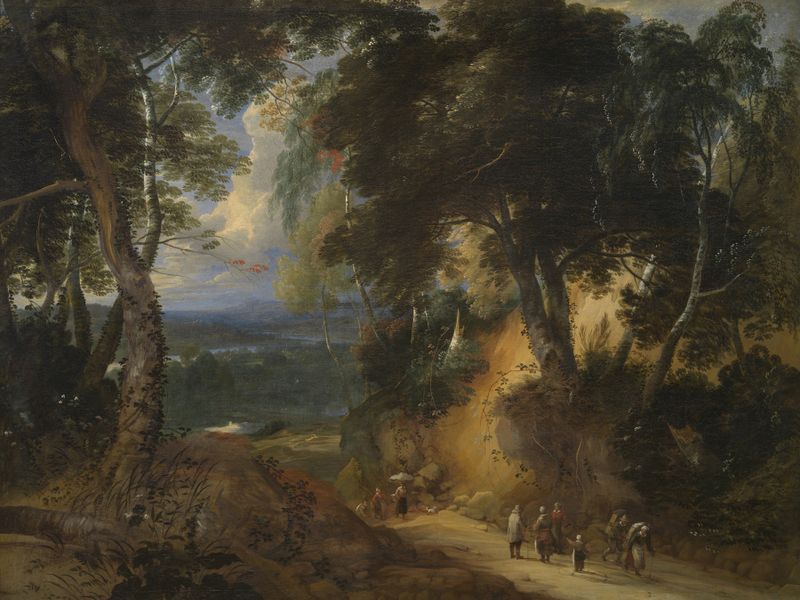
The Soignes Forest
Lodewijk de Vadder
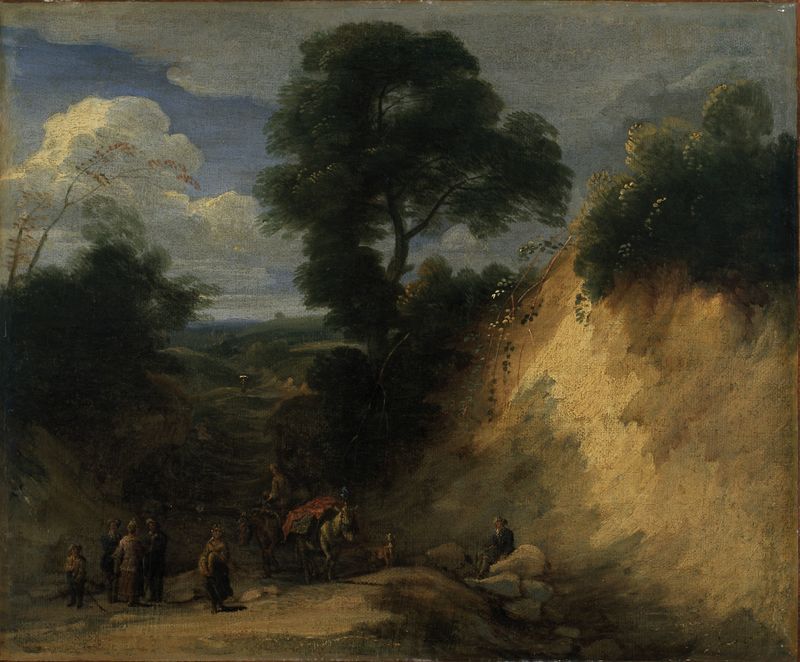
The Sonian Forest with Market Vendors
Lodewijk de Vadder
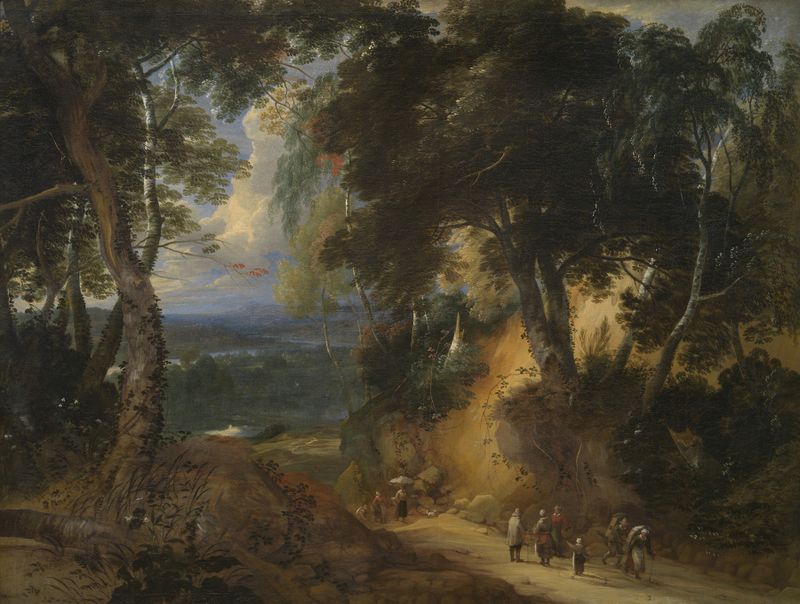
The Soignes Forest
Lodewijk de Vadder
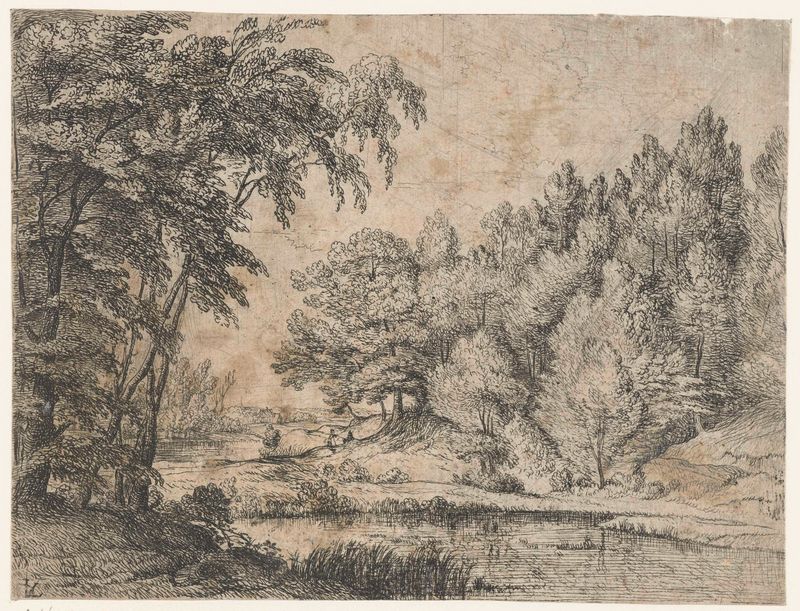
Landschap met een kronkelende rivier
Lodewijk de Vadder
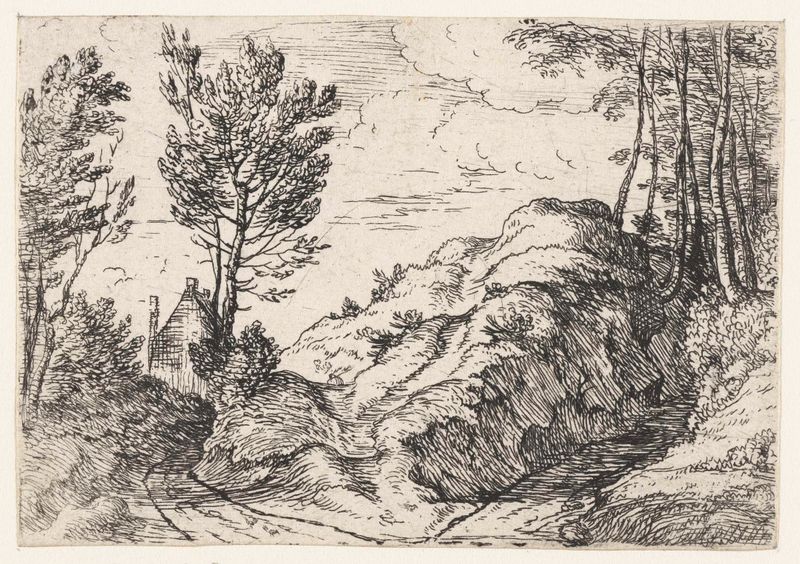
Tweesprong
Lodewijk de Vadder
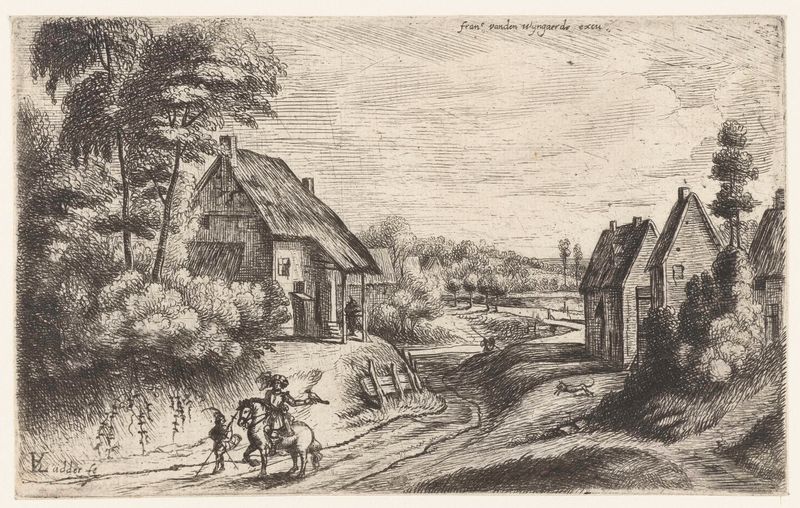
Landschap met twee boerderijen langs een weg
Lodewijk de Vadder
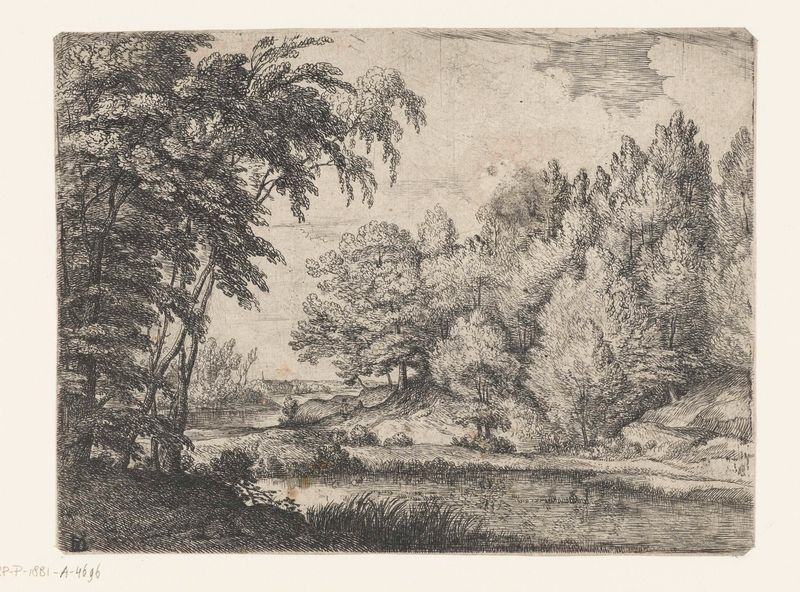
Landschap met een kronkelende rivier
Lodewijk de Vadder
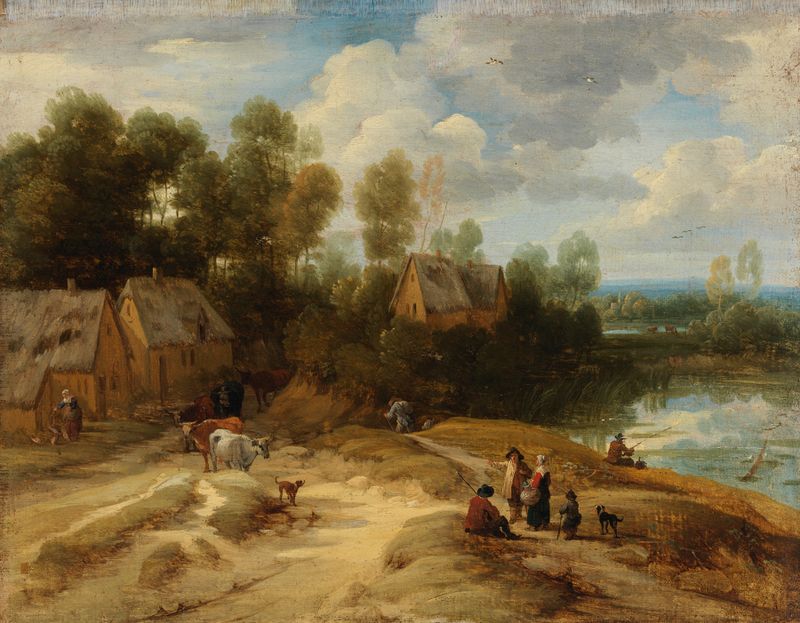
Landscape with Peasants and Cattle
Lodewijk de Vadder
Landschap met een kronkelende rivier
Lodewijk de Vadder
Landscape with a Farm
Lodewijk de Vadder





