
The Soignes Forest — History & Facts
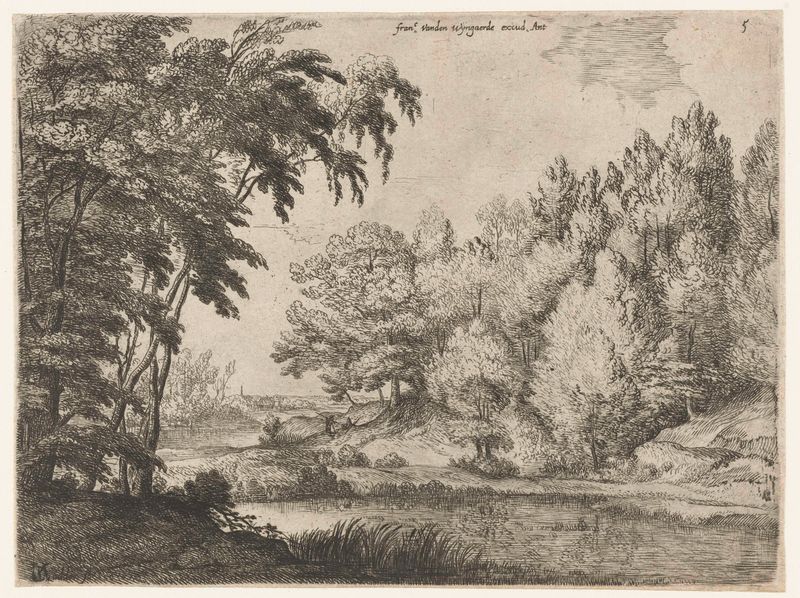
Can beauty exist without sorrow? In Lodewijk de Vadder's The Soignes Forest, this question lingers like the whisper of the wind through the trees, inviting contemplation. The tranquil landscape, suffused with verdant hues and intricate details, serves as a reminder that creation often flourishes in the shadows of melancholy. Focus on the foreground, where a gentle stream meanders through a tapestry of lush foliage. Notice the delicate interplay of light and shadow as it dances across the water’s surface, creating an ethereal glow that captivates the eye.
The artist's deft brushwork brings each leaf to life, while the towering trees frame the scene, drawing the viewer deeper into the enchanting woodland. The soft blues and greens evoke a sense of serenity, balanced by the rich browns that anchor the composition, infusing it with a tangible warmth. As you explore further, consider the juxtaposition of the serene beauty and underlying tension. The presence of a solitary figure in the distance suggests a narrative, perhaps a moment of introspection amid nature’s splendor.
Their small stature against the grandeur of the forest heightens the emotional weight, echoing the theme of isolation that often accompanies beauty. This duality is a silent reminder that amid creation lies a complexity of feelings—joy intertwined with a hint of sorrow. In the 17th century, while De Vadder painted The Soignes Forest, he was immersed in a world where the Baroque style flourished, emphasizing both natural beauty and emotional depth. He worked in Flanders, influenced by the rich traditions of landscape painting while navigating a burgeoning age of exploration and discovery.
This era, marked by artistic innovation, found its voice in the serene imagery that captured the very essence of existence—beauty that resonates with the ache of life.
More Artworks by Lodewijk de Vadder
Browse all →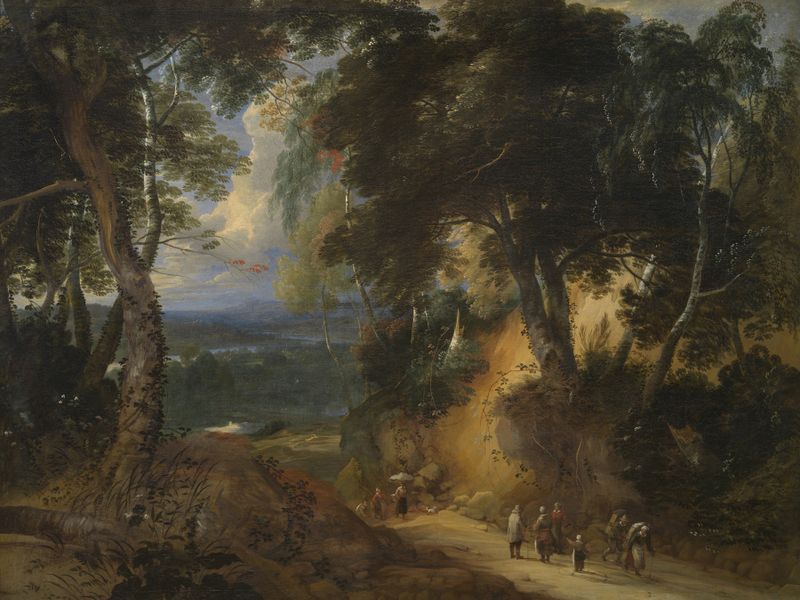
The Soignes Forest
Lodewijk de Vadder
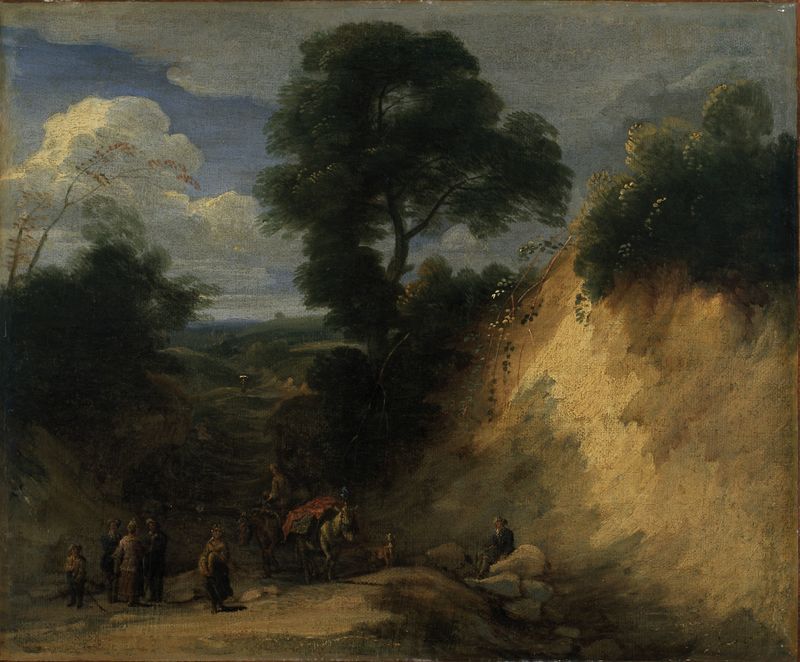
The Sonian Forest with Market Vendors
Lodewijk de Vadder
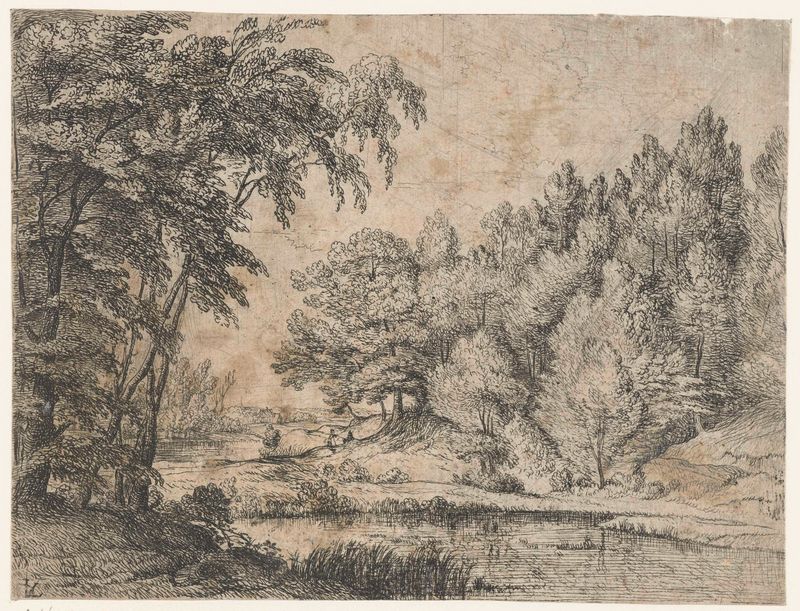
Landschap met een kronkelende rivier
Lodewijk de Vadder
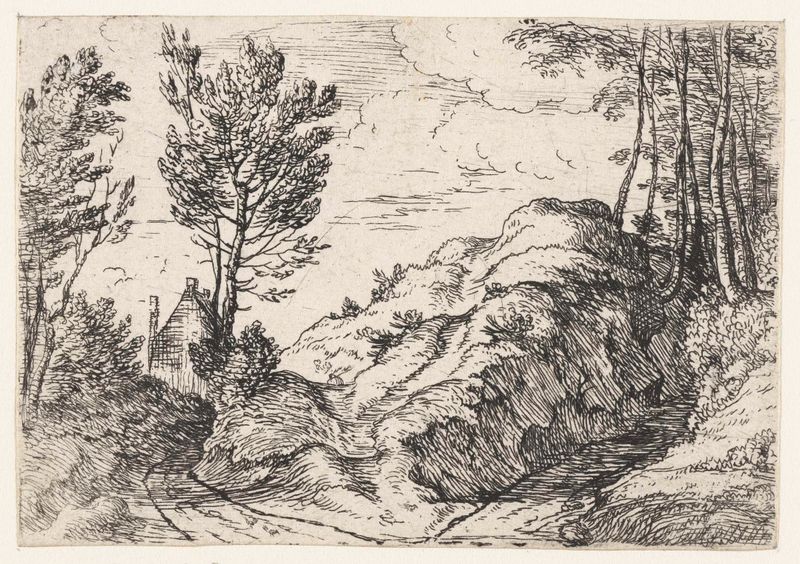
Tweesprong
Lodewijk de Vadder
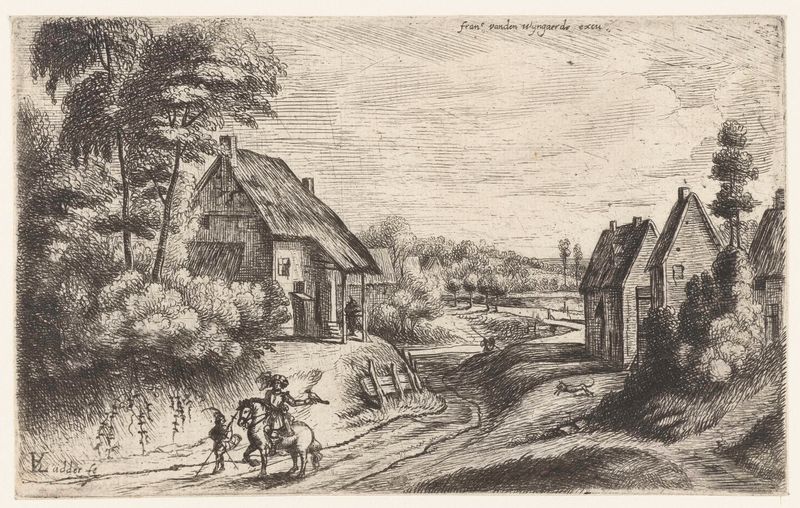
Landschap met twee boerderijen langs een weg
Lodewijk de Vadder
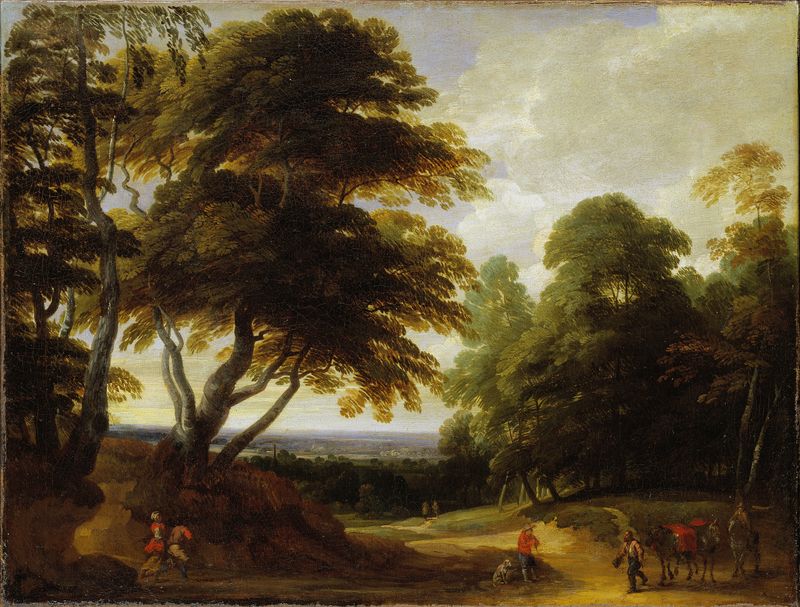
At the Edge of the Forest
Lodewijk de Vadder
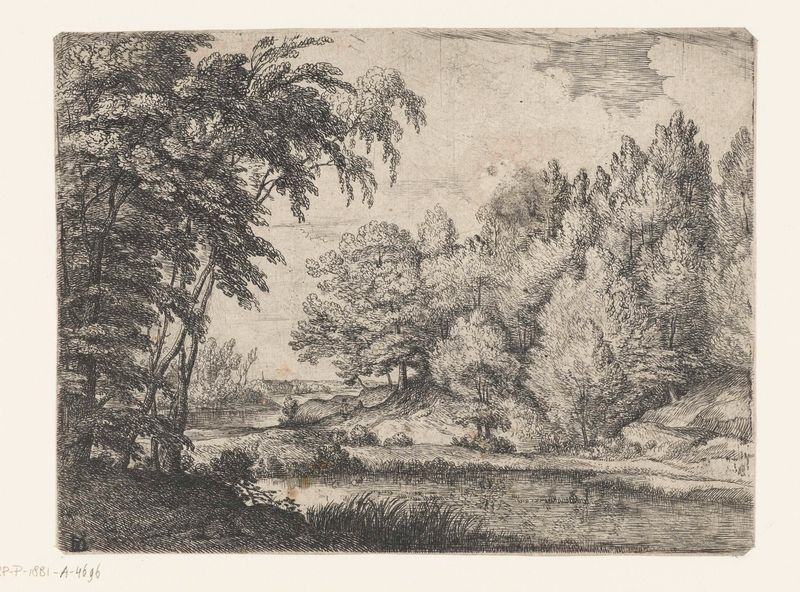
Landschap met een kronkelende rivier
Lodewijk de Vadder
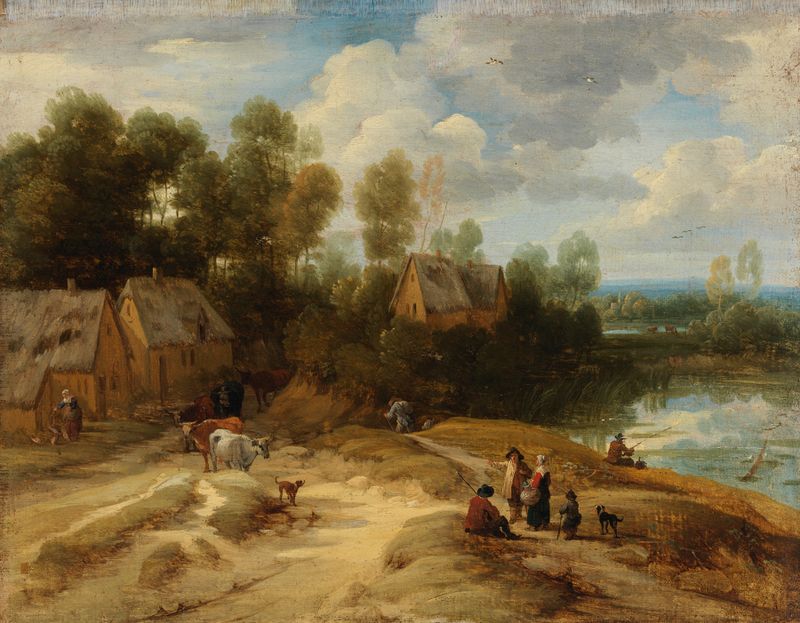
Landscape with Peasants and Cattle
Lodewijk de Vadder
Landschap met een kronkelende rivier
Lodewijk de Vadder
Landscape with a Farm
Lodewijk de Vadder





