At Twilight — History & Facts
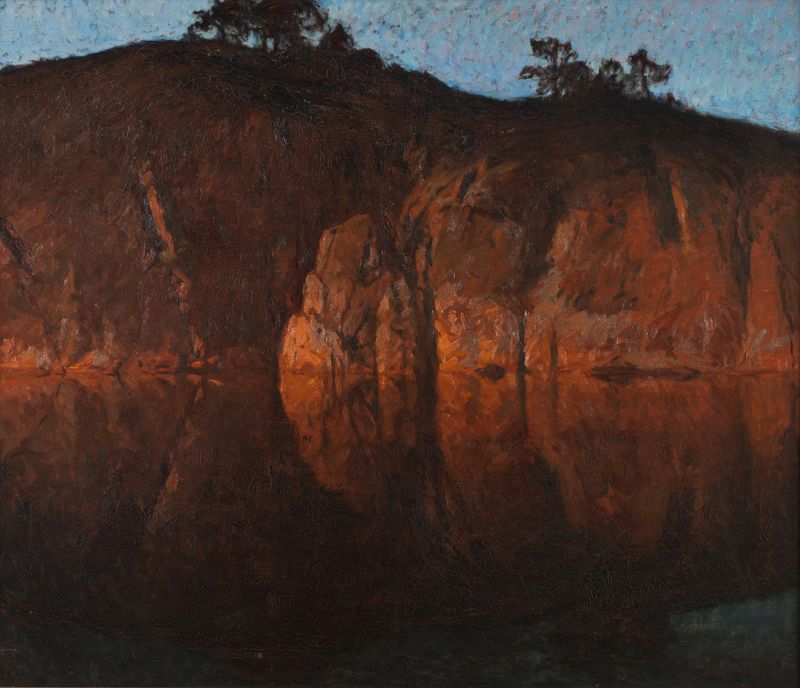
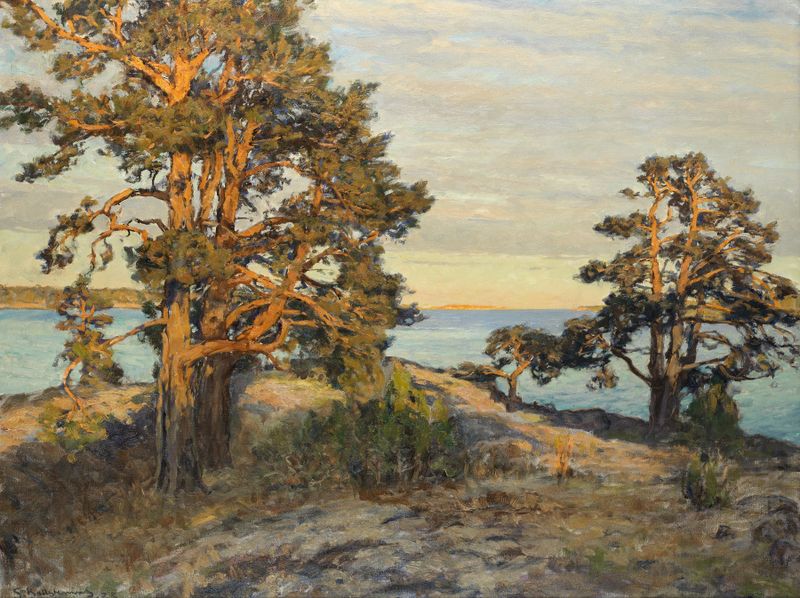
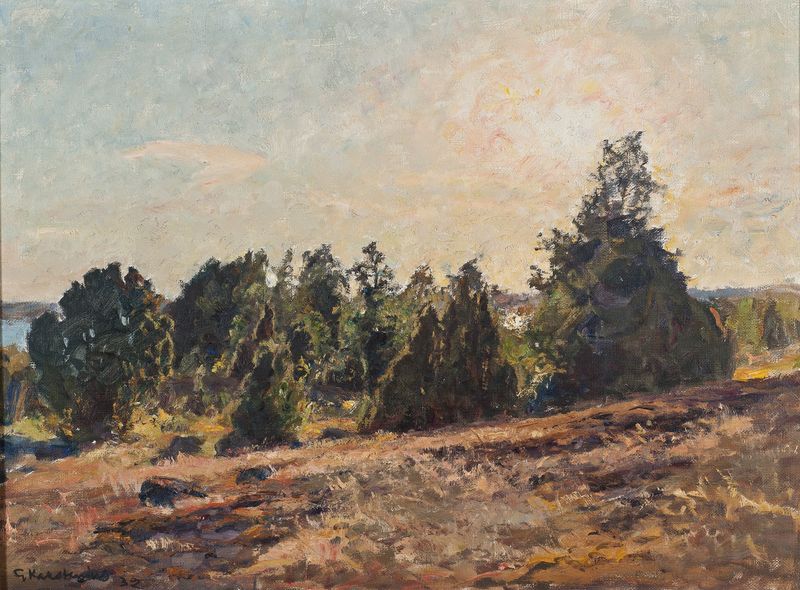
Is this a mirror — or a memory? In the dimly lit twilight, figures emerge as silhouettes, their expressions caught in a dance between longing and reflection, yearning for connection yet bound by the shadows that cloak them. Focus on the central figure, cloaked in soft blues and muted earth tones, where the light gently caresses their form, creating a sense of movement that seems almost tangible. The blurred edges of the background add depth and mystery, while the interplay of light and shadow guides the viewer’s eye, inviting them to explore the realms of both the seen and the unseen. Notice how the color palette shifts from cool to warm hues, reflecting the fleeting moments of day transitioning into night. The tension within the artwork lies in this delicate balance between presence and absence.
Each figure holds a whisper of emotion — perhaps a fleeting memory or an unfulfilled desire — highlighted by the surrounding darkness that threatens to engulf them. There’s a sense of ephemeral beauty, as if the moment captured is as transient as twilight itself; a poignant reminder that movement is both the essence of life and the harbinger of change. In 1908, Kallstenius was immersed in the artistic climate of Sweden, where the influences of Impressionism were melding with burgeoning modernist movements. He sought to capture the nuances of light and atmosphere, working during a period when artists began to explore the emotional resonance of twilight as a metaphor for the complexities of human experience.
This painting reflects both his personal introspection and the broader shifts occurring in the world of art.