Atardecer — History & Facts
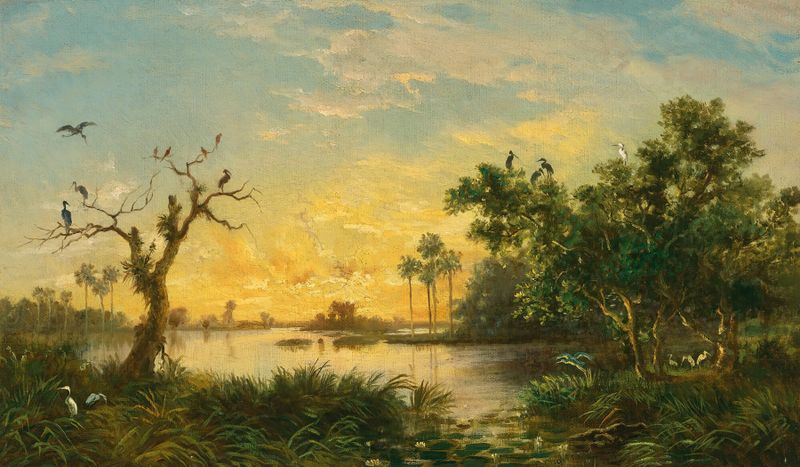
When did color learn to lie? In the twilight of a day, hues morph and dance, revealing secrets hidden in the shadows. It beckons us to question the nature of perception and the reality we think we understand. Focus on the breathtaking gradient that stretches across the canvas—rich oranges bleed into deep purples, while soft blues cradle the edges of the sky. The horizon, delicately defined, draws your gaze to a tranquil body of water, reflecting and refracting the brilliance above.
Each brushstroke seems to pulse with warmth, and the twilight illuminates not just the landscape but also whispers of emotion, inviting you to linger in the moment. Yet, beneath this sumptuous display lies an emotional tension. The vivid colors, while alluring, hint at the ephemeral nature of beauty and the inevitable transition into night. The gentle waves of water mirror these shifting tones, evoking a sensation of calmness tinged with melancholy.
It asks the viewer to ponder what is fleeting versus what will endure, as day cedes to the embrace of darkness. In 1874, Atardecer emerged from the brush of Esteban Chartrand during a period of artistic exploration in Cuba, where he sought to capture the unique light and atmosphere of his homeland. As a prominent figure in the Cuban Romantic movement, he was influenced by European techniques while simultaneously grounding his work in local culture. This painting reflects both his personal journey and the broader context of an emerging national identity, encapsulated in the breathtaking transition of day to night.