Attributen der muziek — History & Facts
Is this a mirror — or a memory? In Attributen der muziek, the interplay of illusion captivates the viewer, drawing us into a world where the boundaries between reality and representation blur. Look to the right at the delicate arrangement of musical instruments, meticulously rendered in soft hues. The lute, adorned with intricate carvings, invites touch, while the shimmering notes seem to flutter into existence, suspended in a moment of reverie. Notice how the light falls upon the polished surfaces, infusing the scene with warmth, while shadows whisper tales of music lost in time.
This careful attention to detail reveals not only the artist’s skill but also an intimate connection to the essence of music itself. Beneath the surface, emotional tensions pulse through the artwork. The juxtaposition of vibrant instruments against a muted background creates a sense of longing, as if the melody yearns to escape its confines. On closer inspection, subtle hints of decay in the woodwork suggest the fleeting nature of beauty and sound.
These contrasts serve as a reminder of the transient experience of music—a moment cherished yet inevitably ephemeral. Created between 1770 and 1850, Attributen der muziek reflects a period of artistic transition. During this time, Europe experienced significant cultural shifts, with the rise of Romanticism influencing the arts. The unknown artist, immersed in an era that celebrated emotion and imagination, captured the essence of music as both a personal and universal experience, a legacy that continues to resonate.
More Artworks by Unknown Artist
Browse all →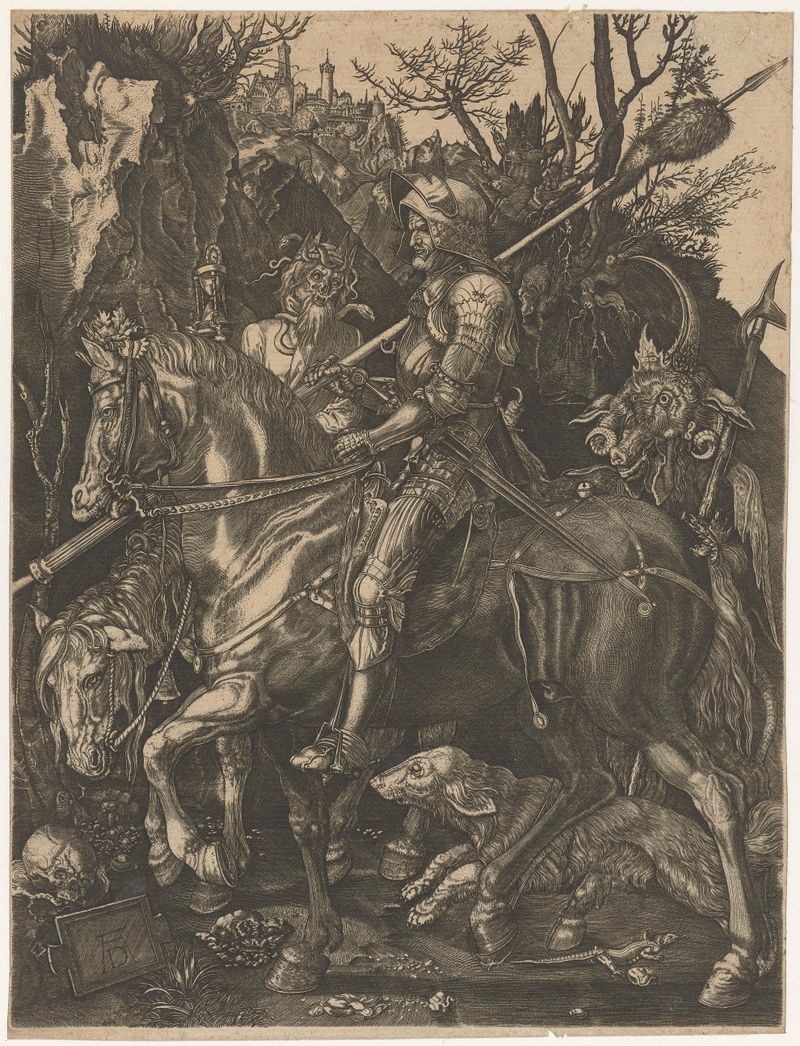
Ridder, Dood en Duivel
Unknown Artist
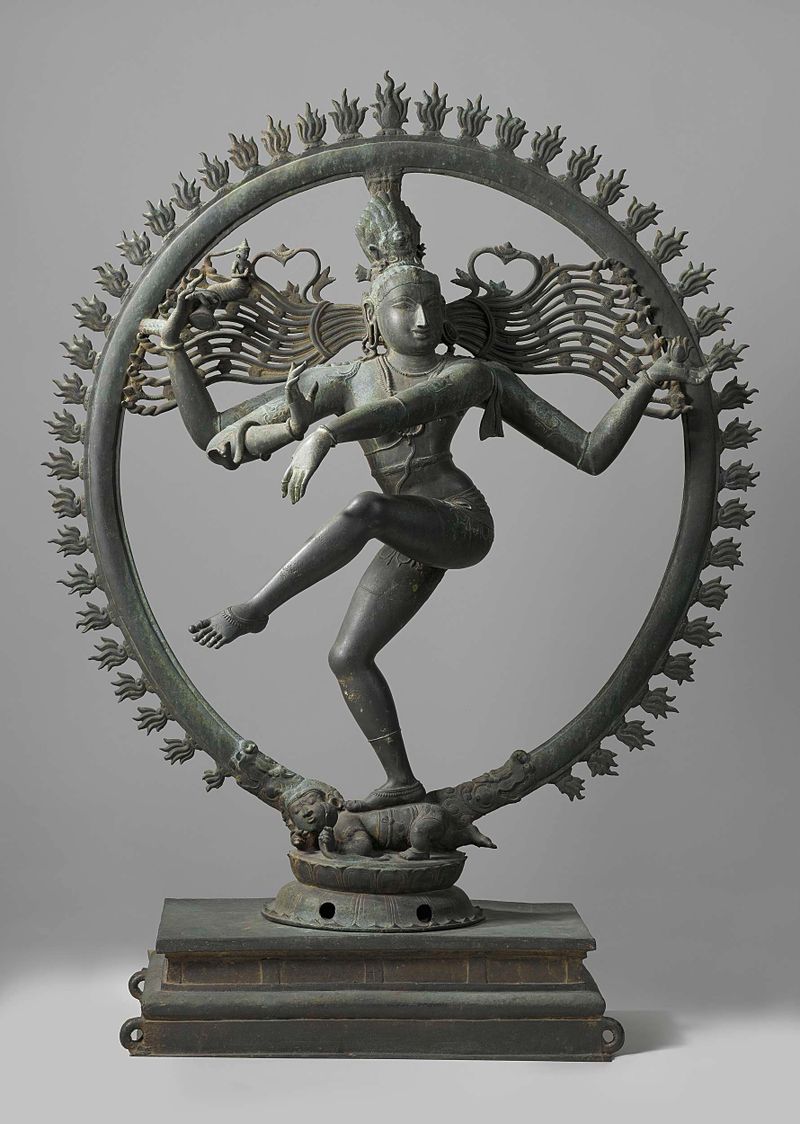
Shiva Nataraja
Unknown Artist
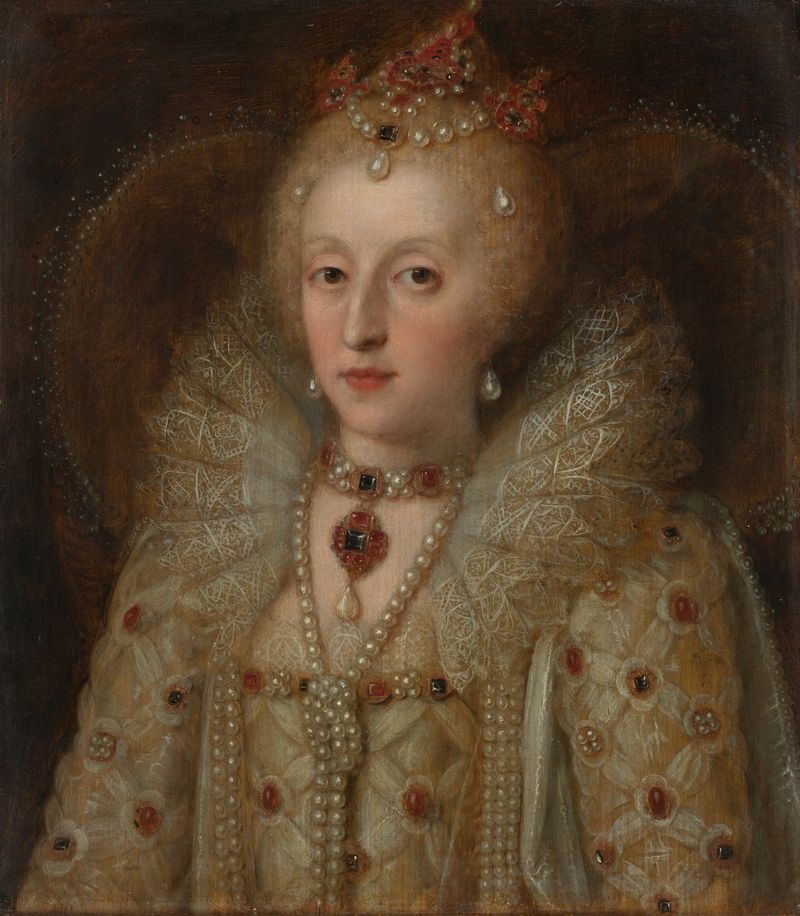
Portrait of Elizabeth I, Queen of England
Unknown Artist
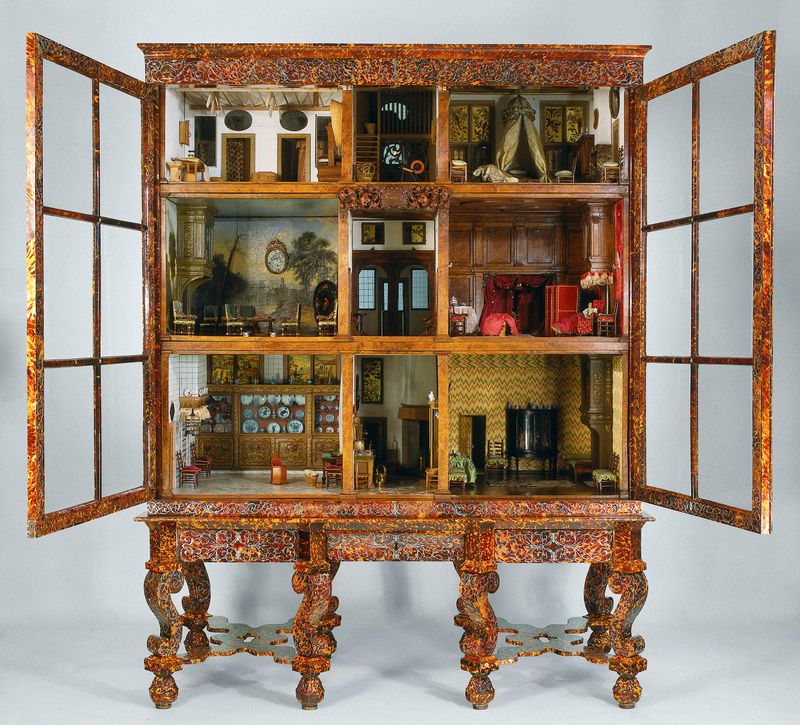
Dolls’ house of Petronella Oortman
Unknown Artist
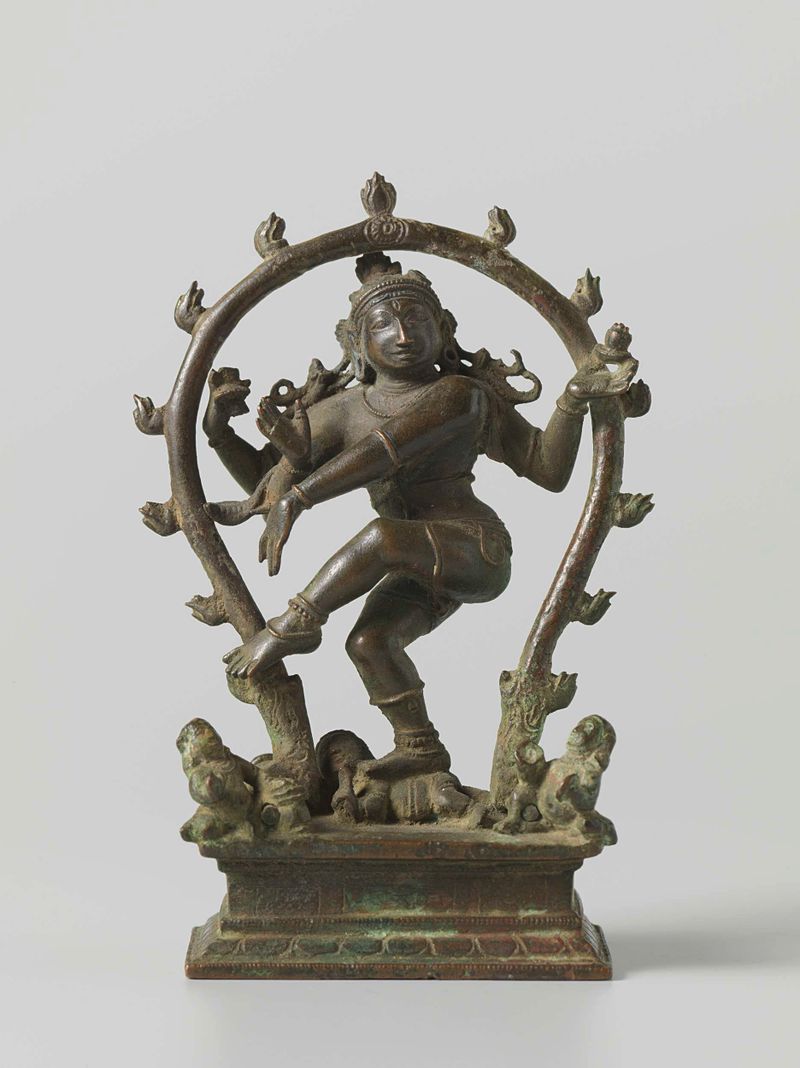
Shiva Nataraja
Unknown Artist

The Tale of Genji
Unknown Artist

The Tale of Genji
Unknown Artist

Cong
Unknown Artist
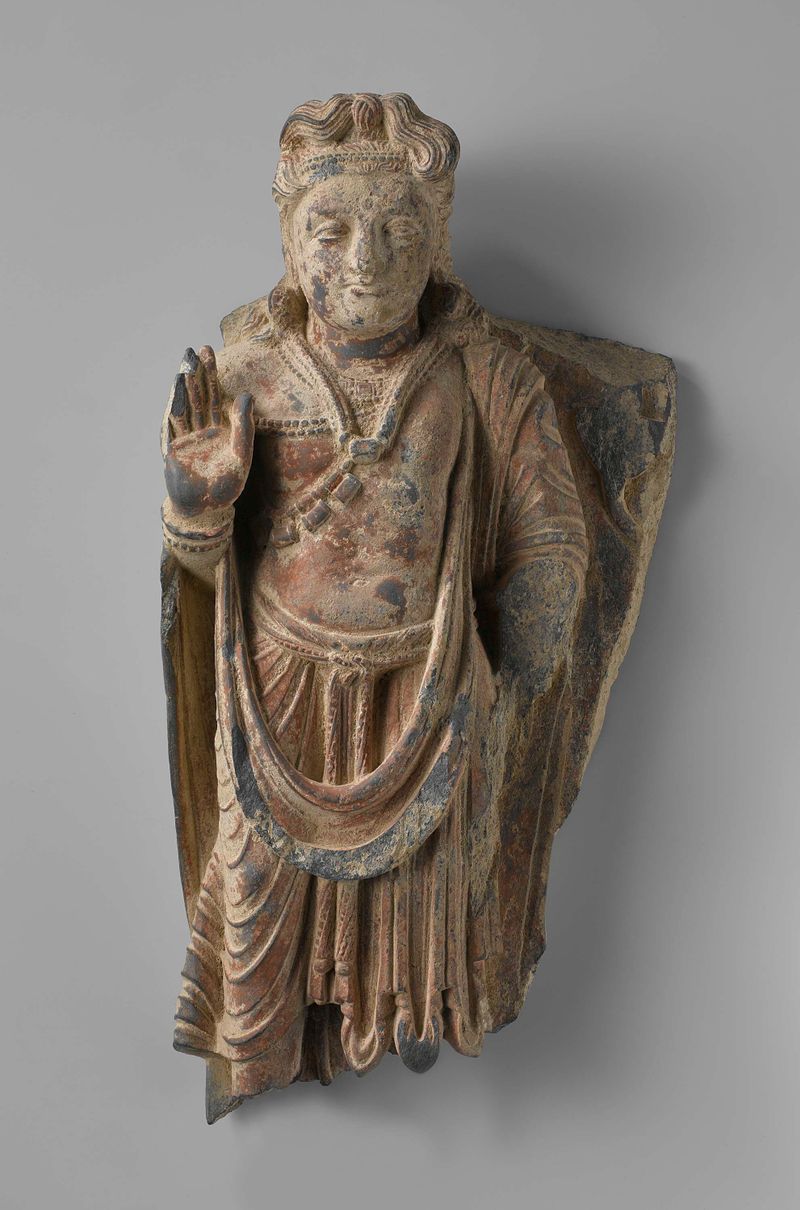
The bodhisattva Maitreya
Unknown Artist

Teabowl with a 'hare's fur' glaze
Unknown Artist