
Auf der Hügelkuppe (Mädchen in Landschaft) — History & Facts
In Auf der Hügelkuppe (Mädchen in Landschaft), chaos dances on the canvas, encapsulating a moment where nature and human presence intertwine in delicate balance. Look to the center, where a young girl stands atop a grassy knoll, her figure encased in flowing garments that flutter in the gentle breeze. The swirling backdrop of verdant hills and soft blue skies pulls your gaze outward, while the intricate detailing of her dress, touched by sunlight, invites a closer inspection. Notice how the artist uses vibrant greens and soft pastels, creating a harmonious yet restless landscape that beckons both tranquility and unease. The juxtaposition of the girl’s serene pose against the tumultuous zigzags of the hills reveals an emotional tension—the calmness of her expression contrasts sharply with the chaos of nature swirling around her.
This duality speaks to the struggle between inner peace and the external world’s discord. Each brushstroke seems to echo a narrative of burgeoning youth amid the unpredictability of life, inviting viewers to reflect on their own thresholds of chaos and composure. Franz Rumpler painted this work in 1872, during a time when artists were increasingly exploring the emotional depths of landscape and figure. Living in Vienna, he was influenced by the burgeoning Romantic movement, which sought to capture the sublime and the emotional resonance of nature.
This period marked a shift towards personal expression in art, and Auf der Hügelkuppe stands as a testament to that evolution, reflecting both the artist's vision and the world he inhabited.
More Artworks by Franz Rumpler
Browse all →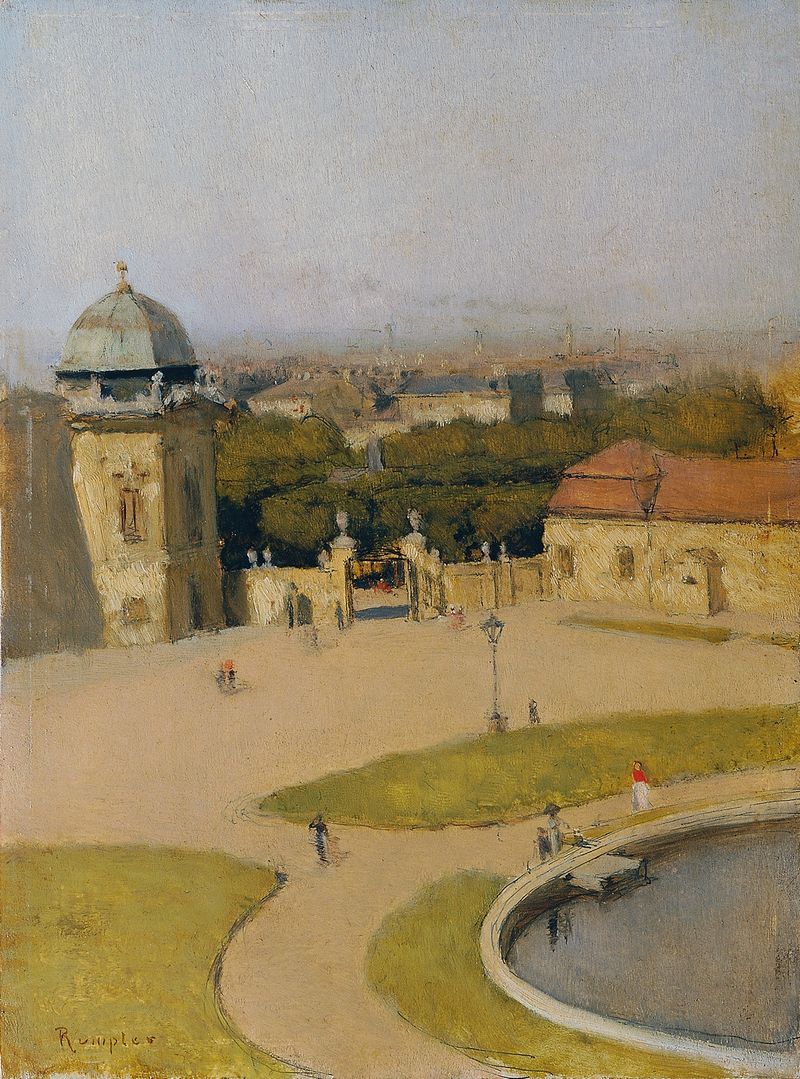
Blick von Südwest auf das Obere Belvedere
Franz Rumpler
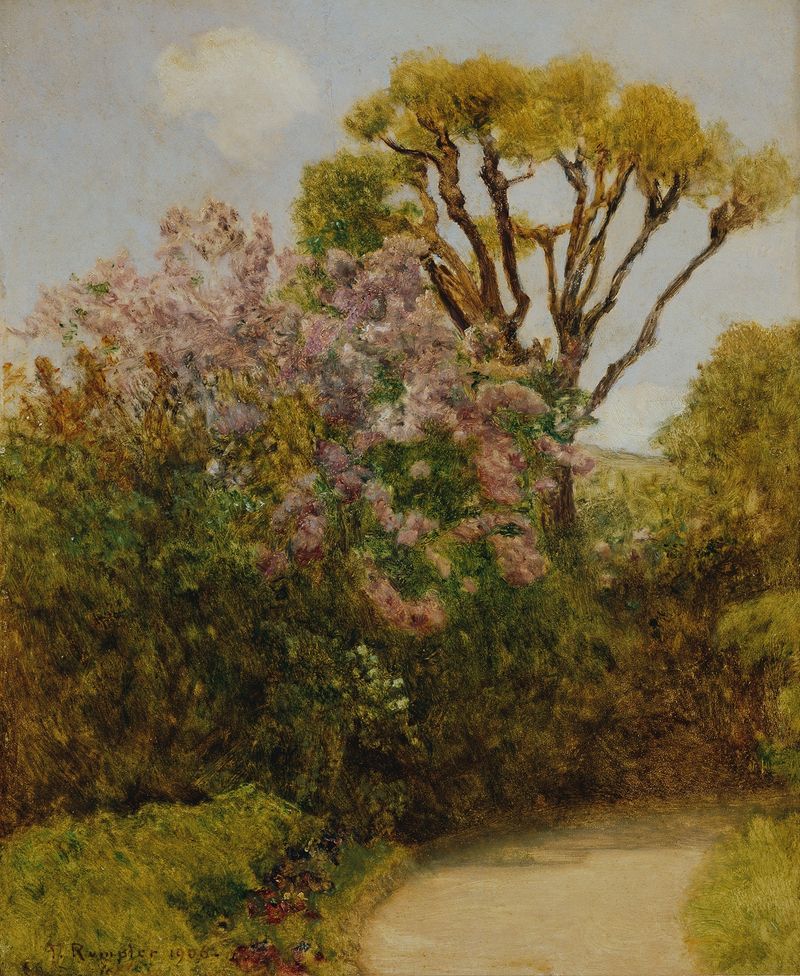
Landschaft
Franz Rumpler
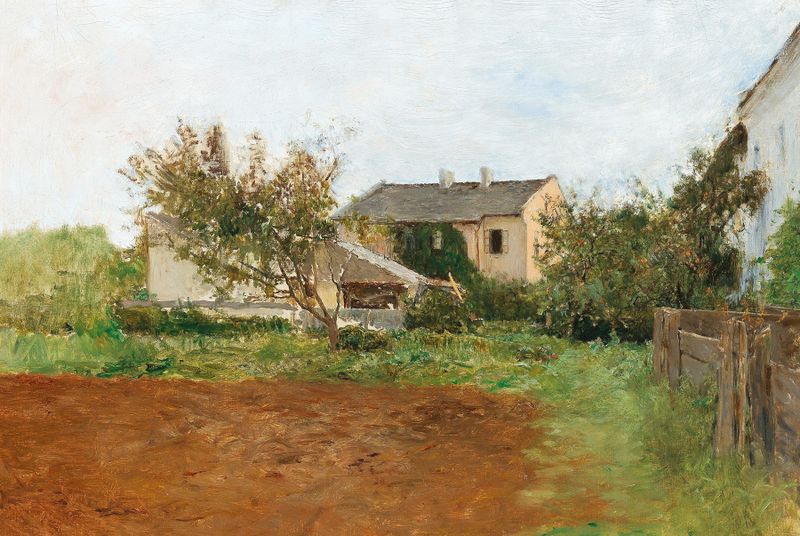
At the Village Edge
Franz Rumpler
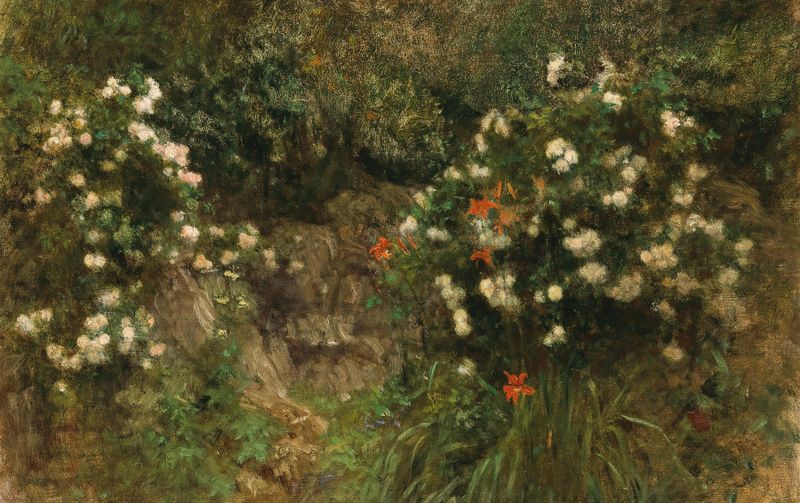
Grotto with white roses
Franz Rumpler
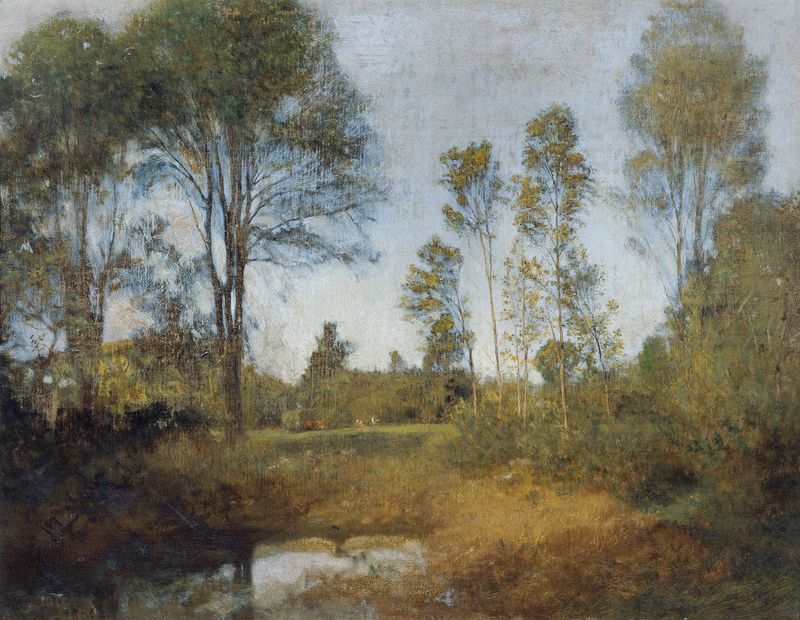
Landschaft mit Heuwagen
Franz Rumpler
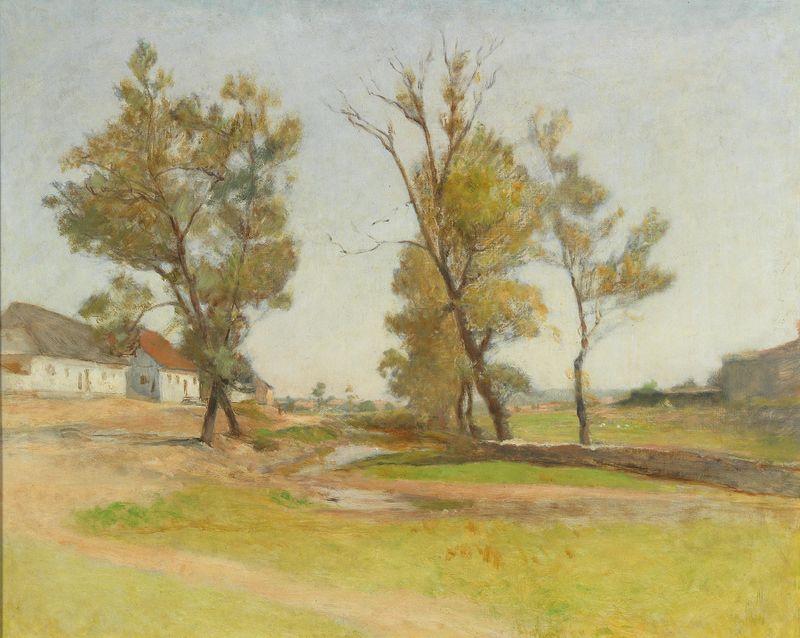
Wiese vor einem Dorf
Franz Rumpler
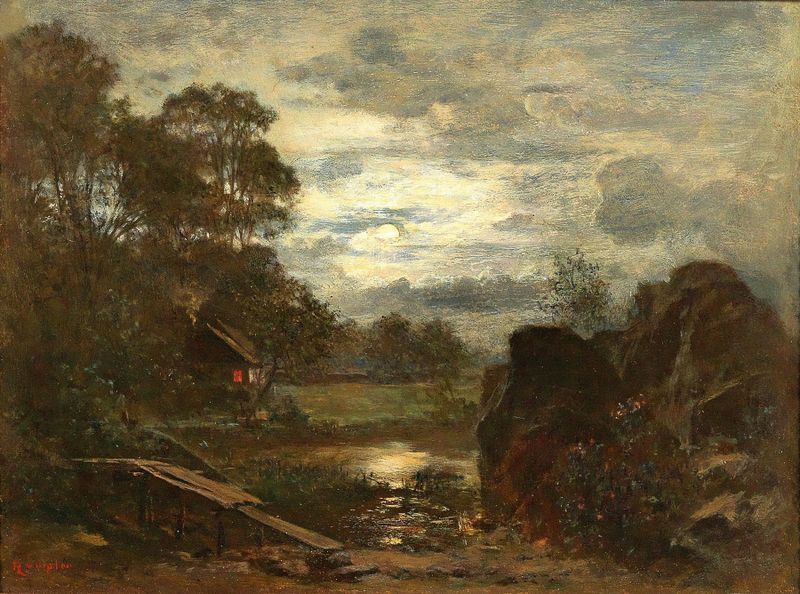
Pond Landscape with Jetty and Hut in the Moonlight
Franz Rumpler
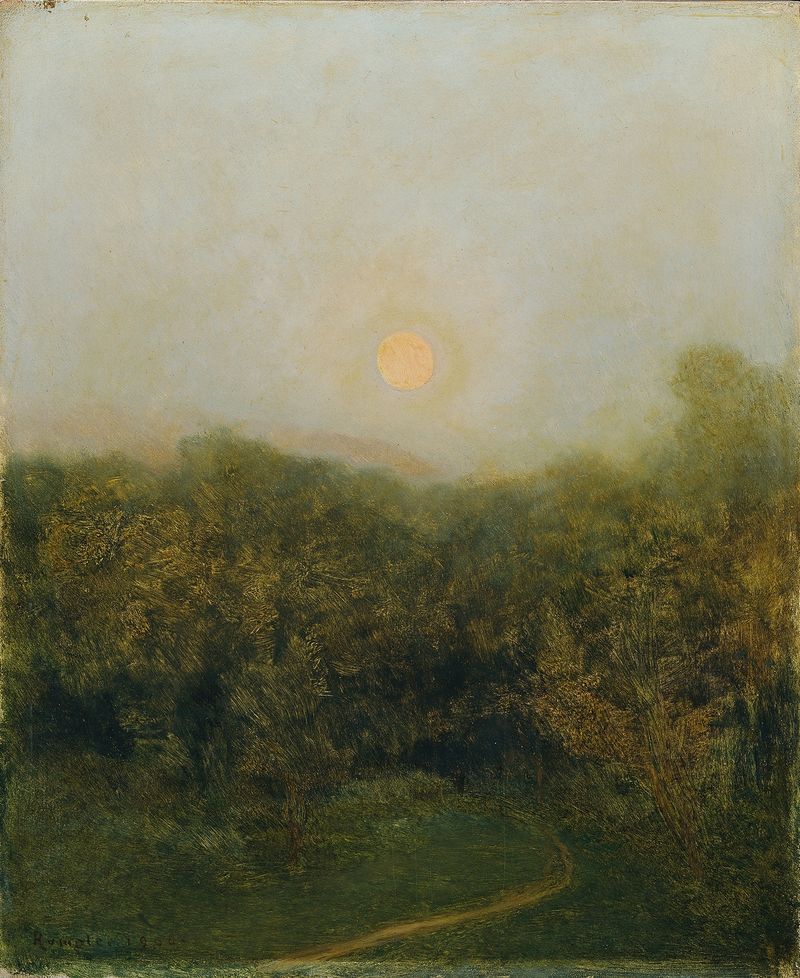
Mondaufgang
Franz Rumpler





