Discover insights about this artwork
Auti te Pape (Women at the River) — History & Facts
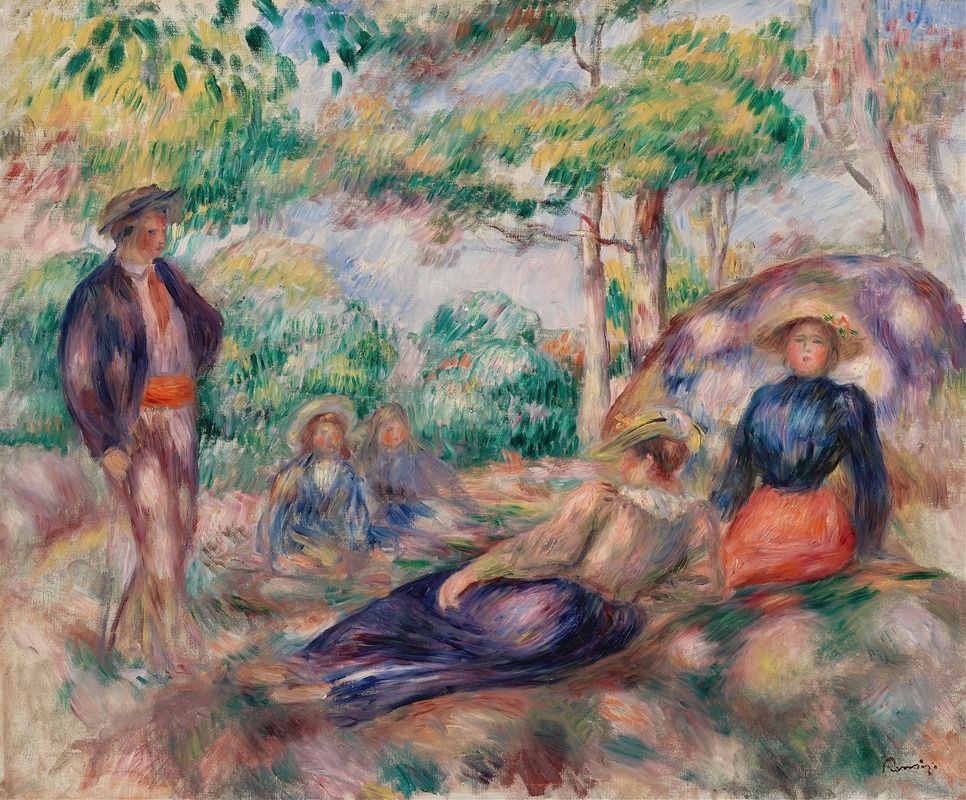
In Auti te Pape (Women at the River), vibrant colors dominate the scene. The painting features women in traditional attire, engaged in daily activities by the riverbank. Lush greenery surrounds them, creating a sense of harmony with nature.
The warm tones evoke a tropical atmosphere, typical of Gauguin's works from this period. The artwork is characterized by bold brushstrokes and a flat application of color, typical of Post-Impressionism. Gauguin's use of color is expressive, often prioritizing emotional resonance over realistic representation. The composition is balanced, with figures placed strategically to guide the viewer's eye.
The painting measures approximately 80 x 100 cm, making it a substantial piece. Paul Gauguin created Auti te Pape during his time in Tahiti, where he sought to escape European society. This work reflects his fascination with the local culture and the lives of women in the region. An interesting fact is that Gauguin often used local models, which adds authenticity to his portrayal of Tahitian life.
This painting exemplifies his unique style and commitment to exploring new artistic directions.
More Artworks by Paul Gauguin
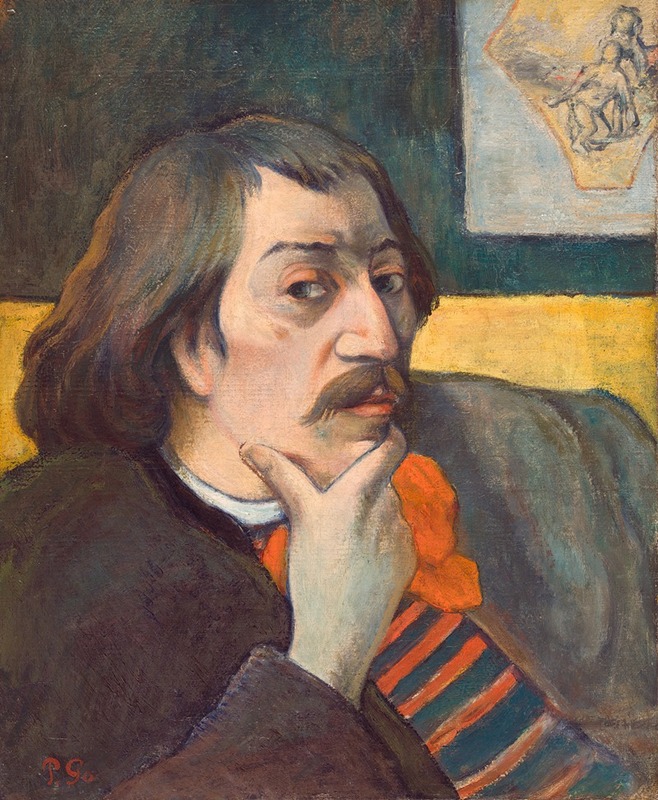
Self Portrait
Paul Gauguin
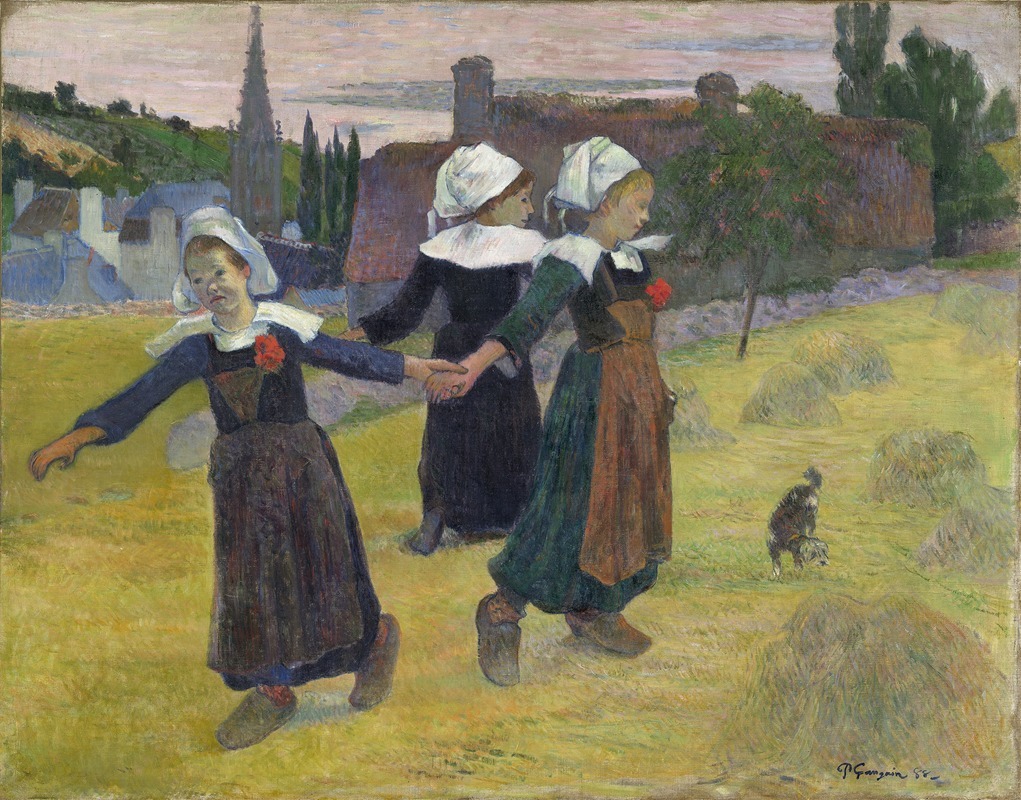
Breton Girls Dancing,Pont-Aven
Paul Gauguin
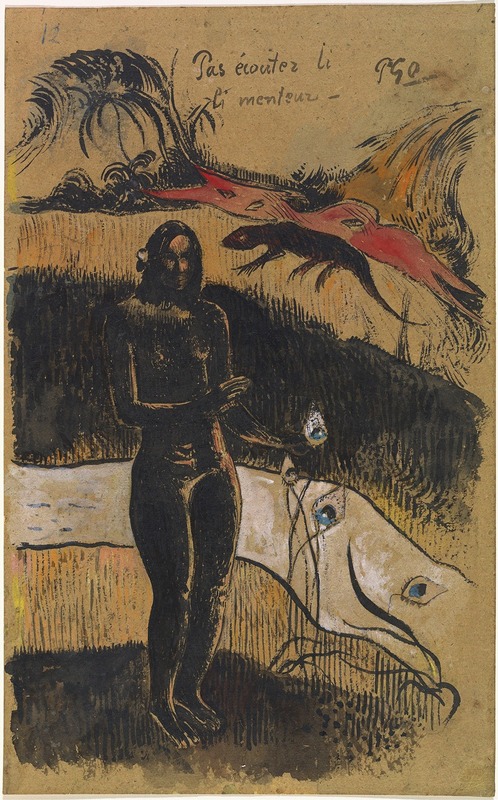
Nave Nave Fenua
Paul Gauguin
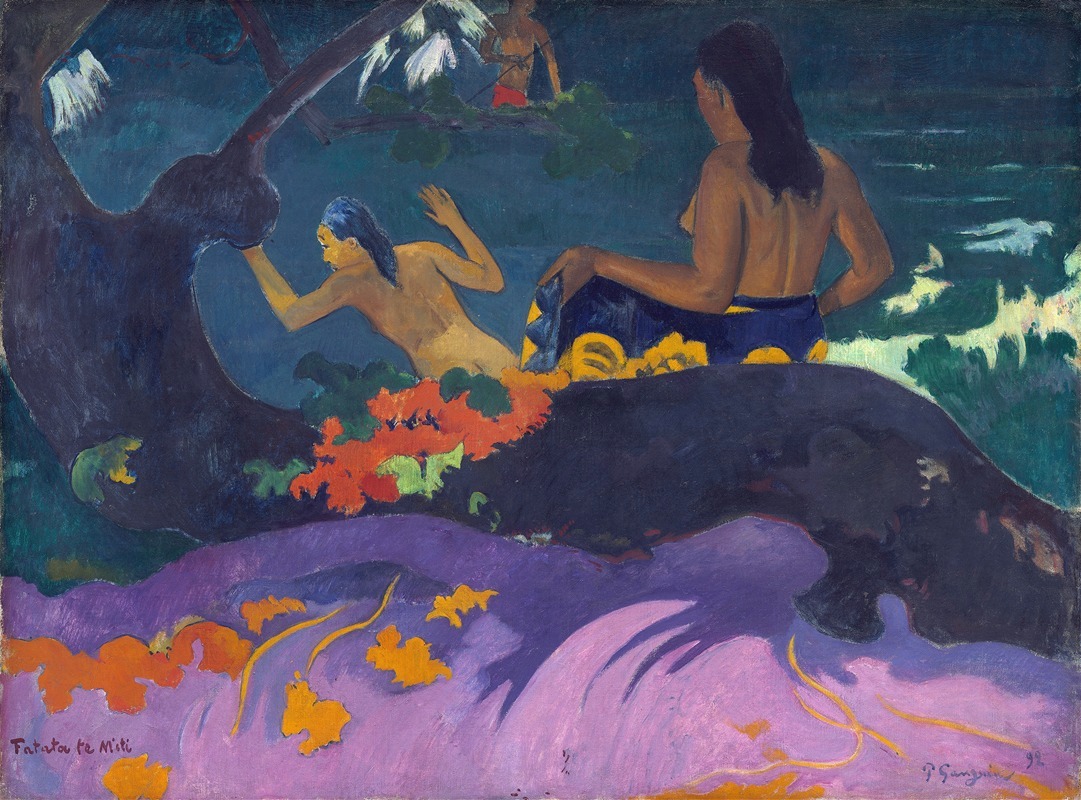
Fatata te Miti (By the Sea)
Paul Gauguin
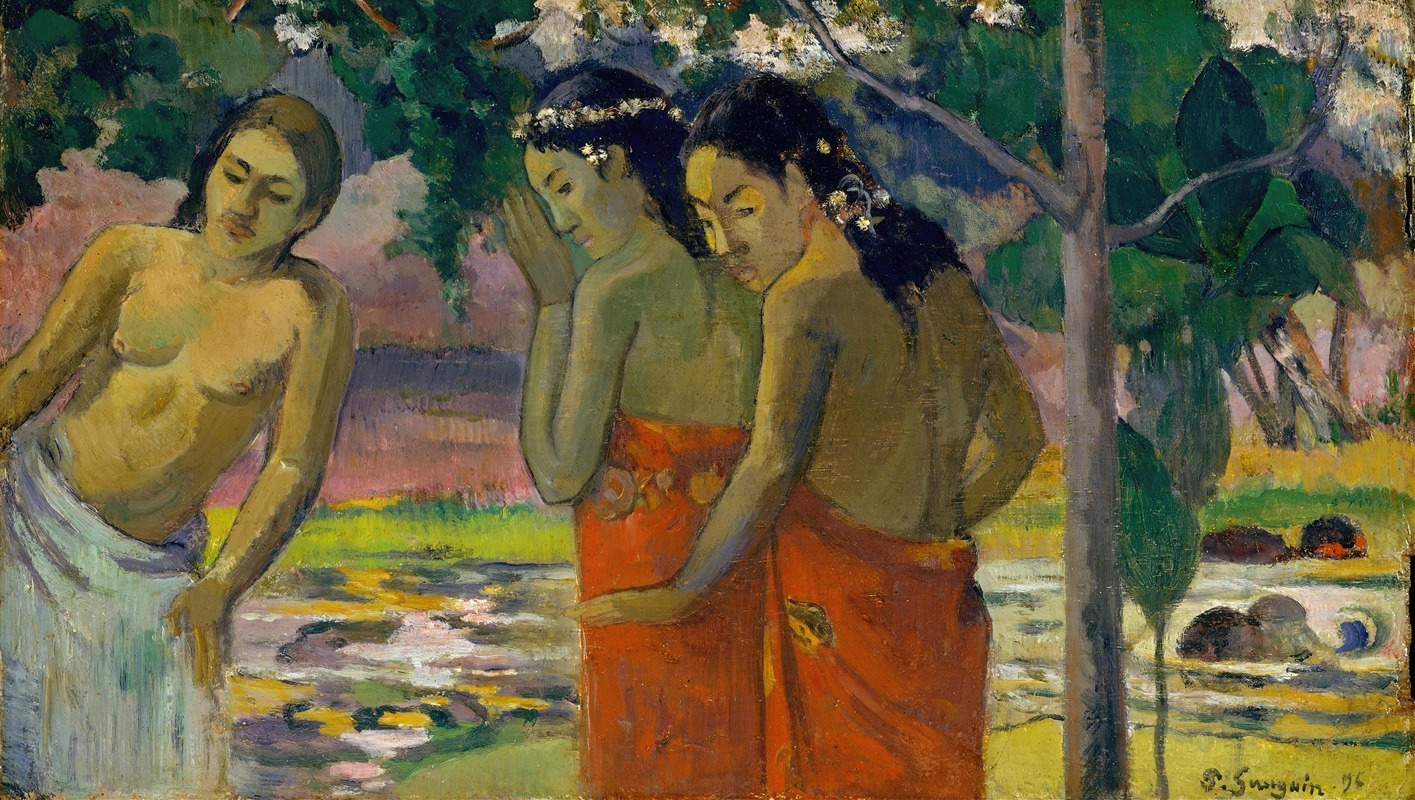
Three Tahitian Women
Paul Gauguin
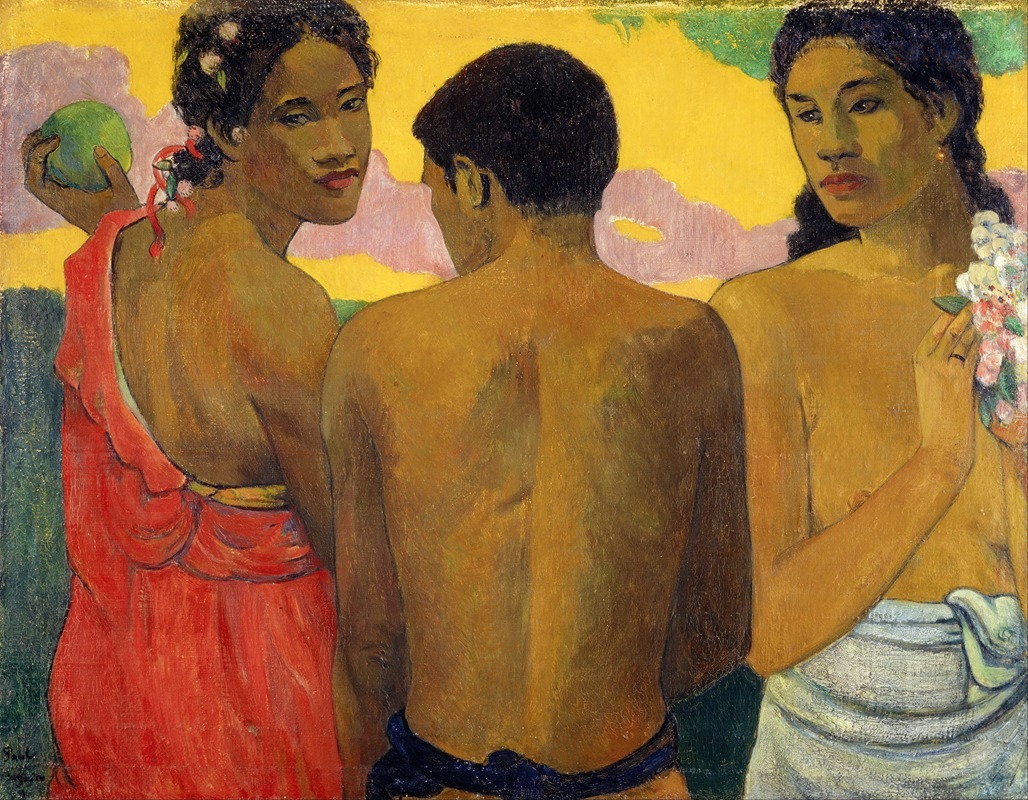
Three Tahitians
Paul Gauguin
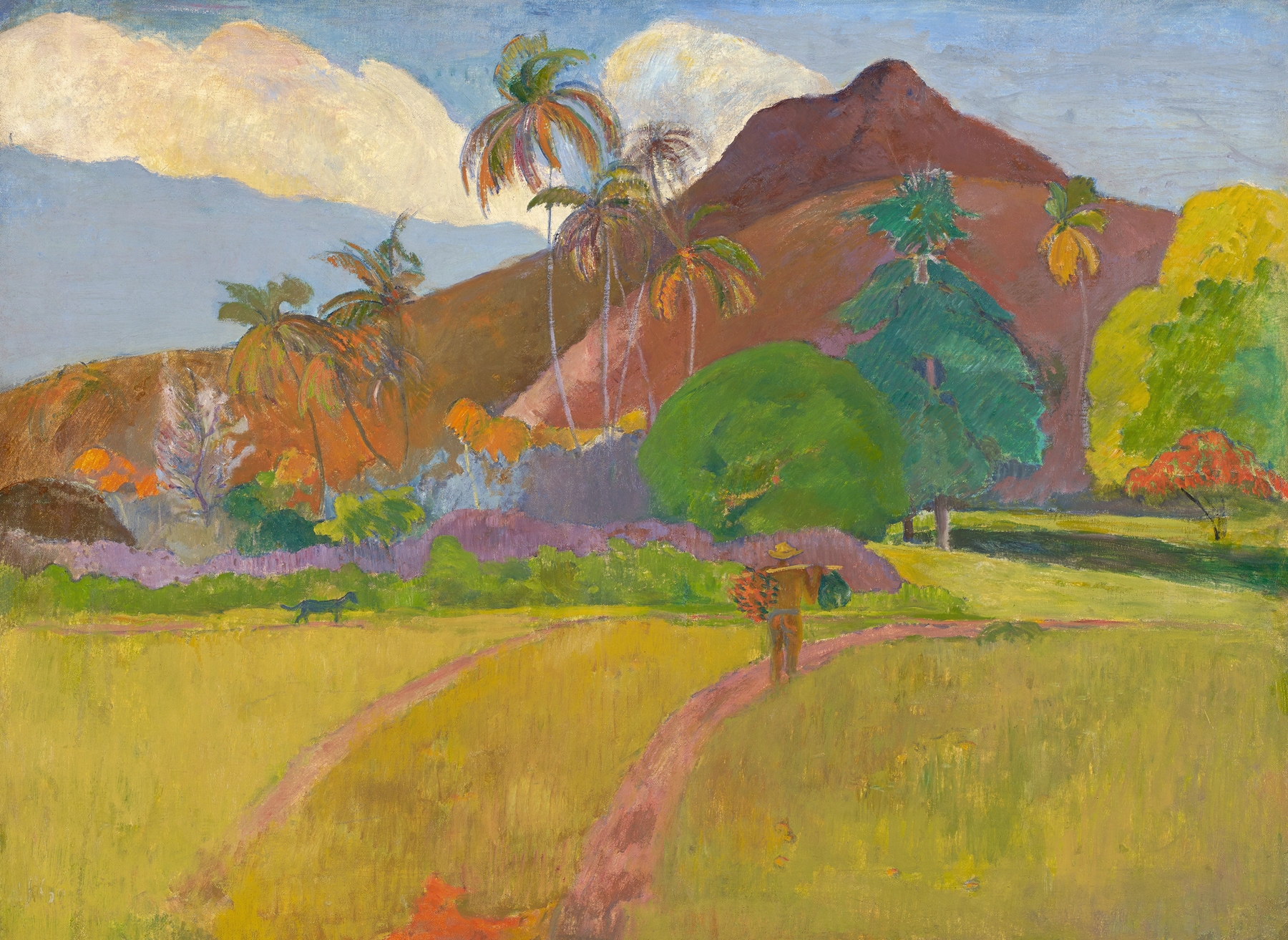
Tahitian Landscape
Paul Gauguin
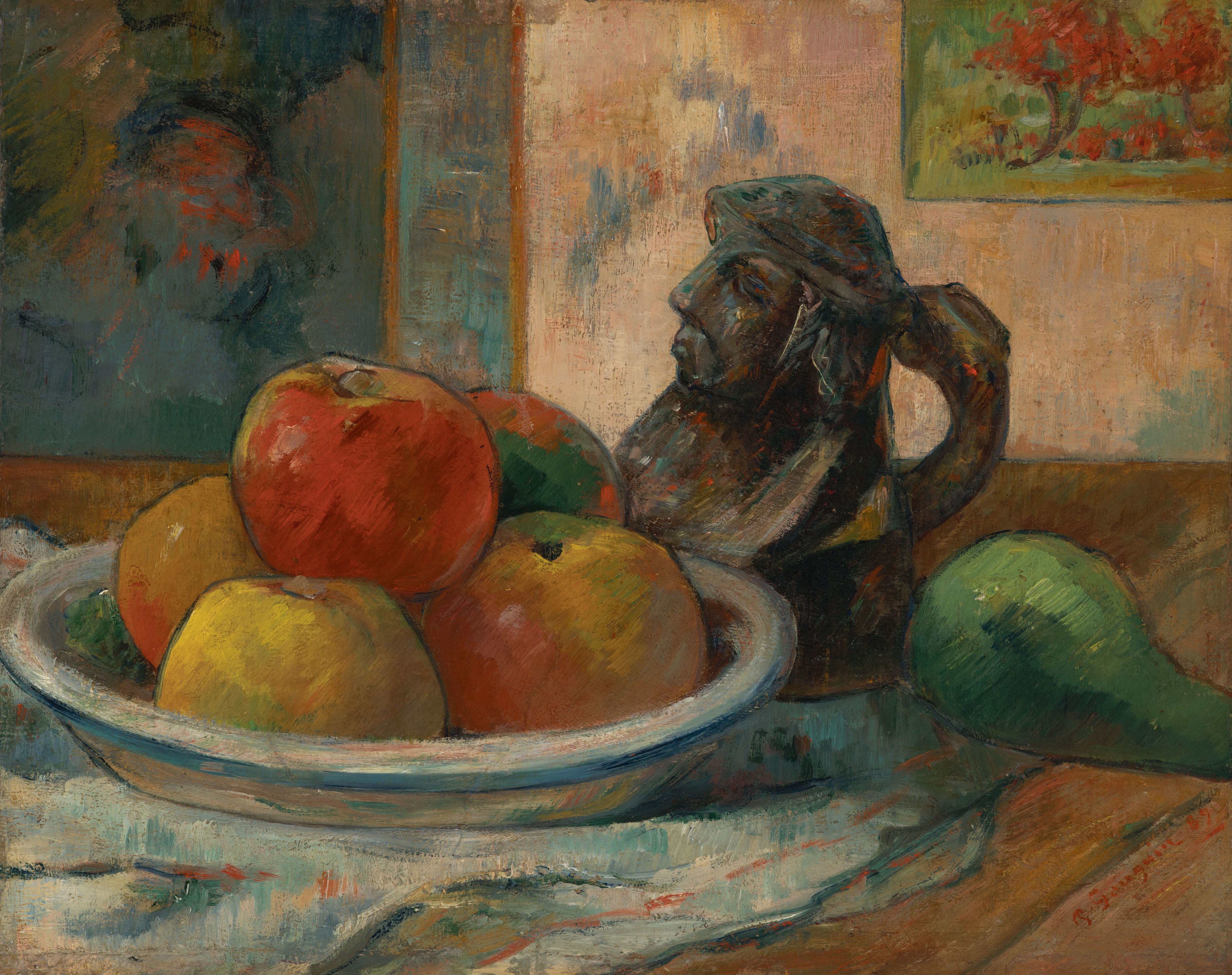
Still Life with Apples, a Pear, and a Ceramic Portrait Jug
Paul Gauguin
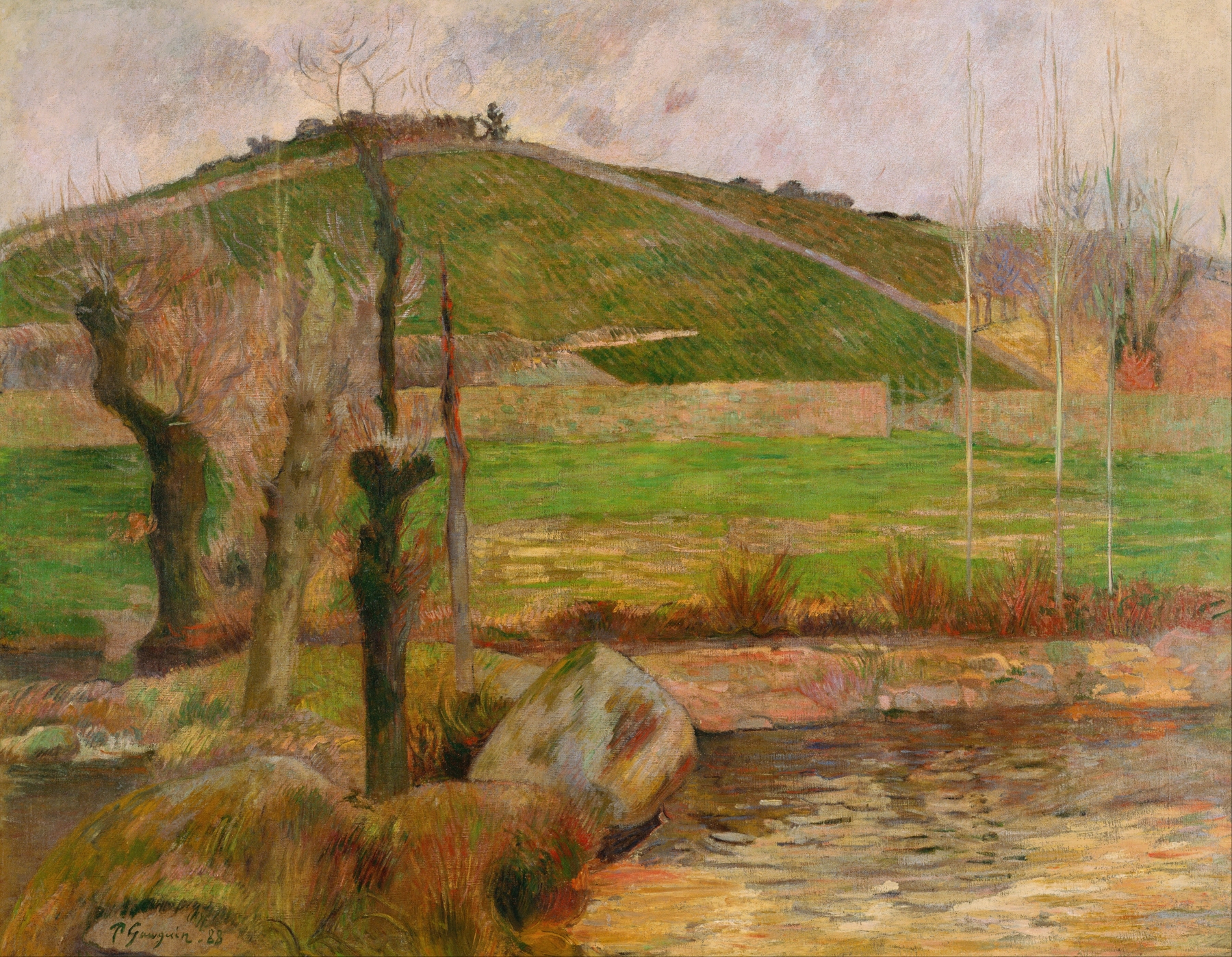
Landscape near Pont-Aven
Paul Gauguin

No te aha oe riri (Why Are You Angry?)
Paul Gauguin