Autumn — History & Facts
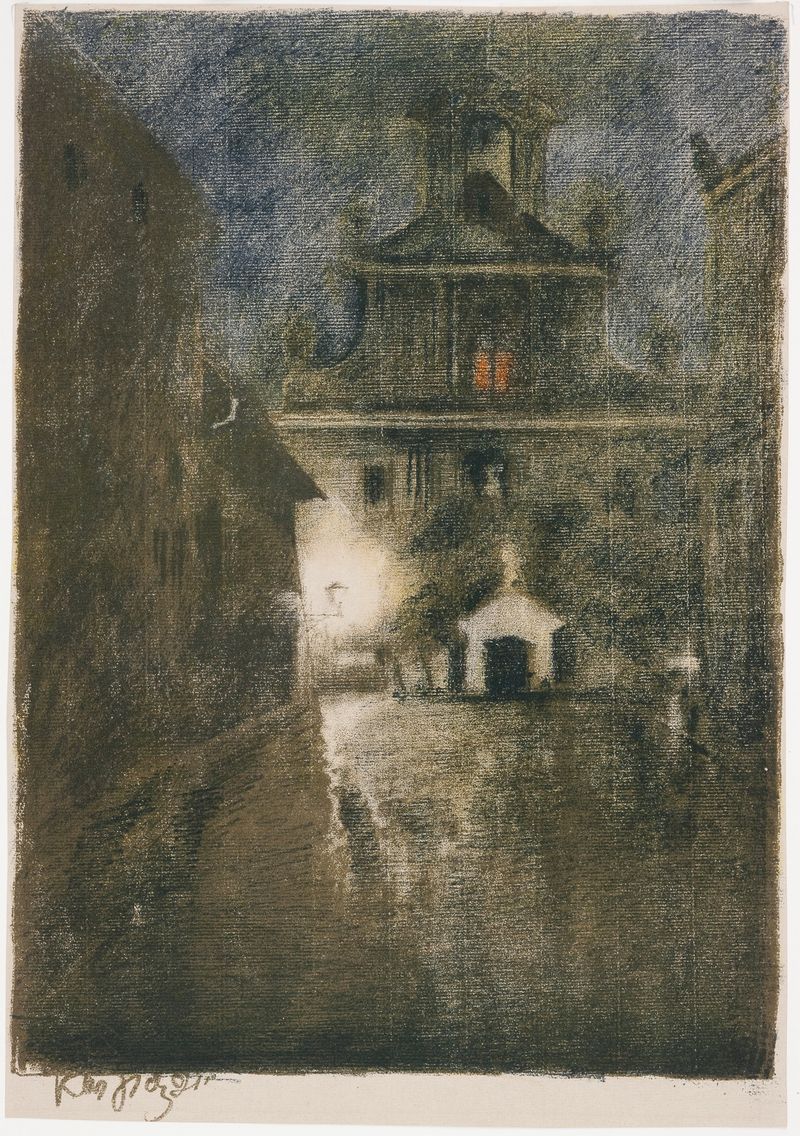
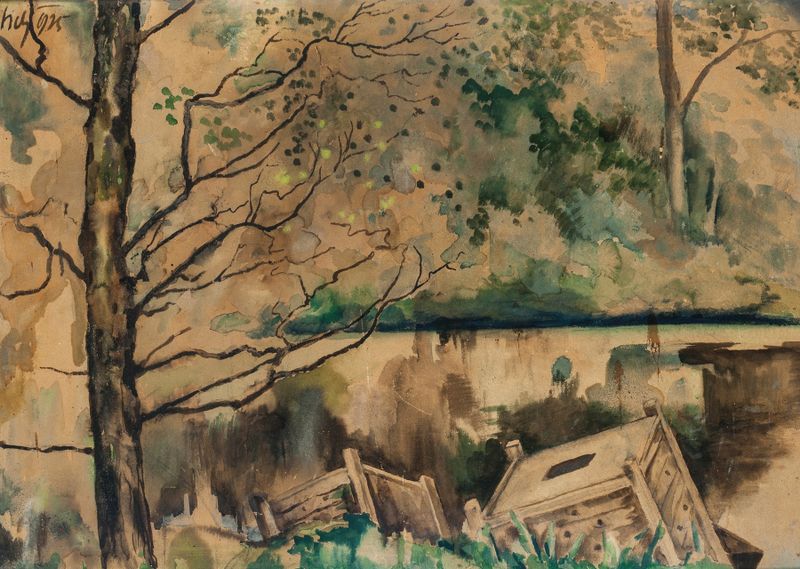
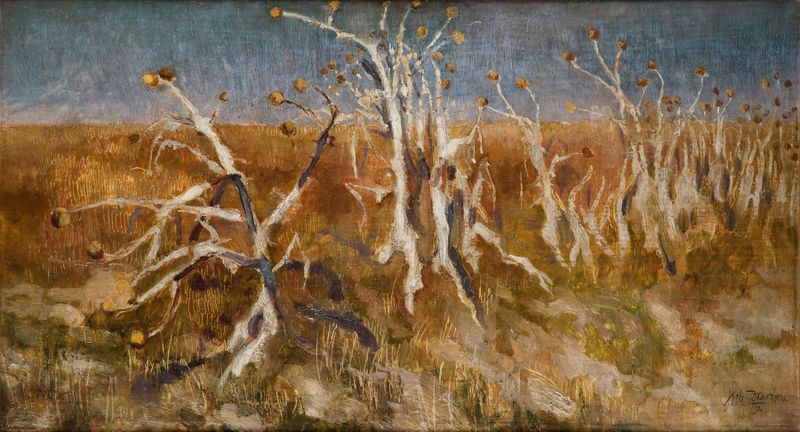
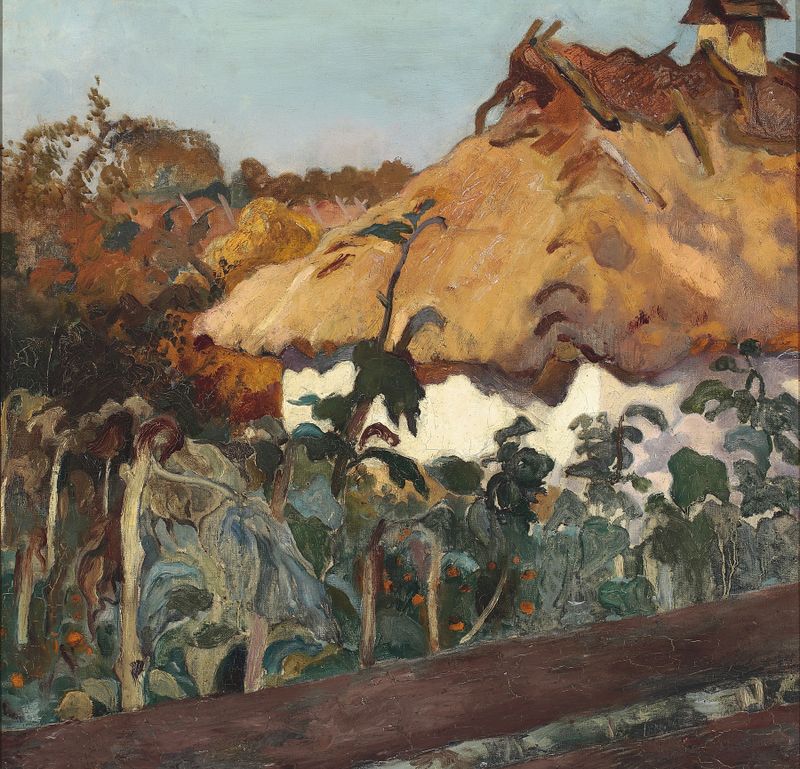
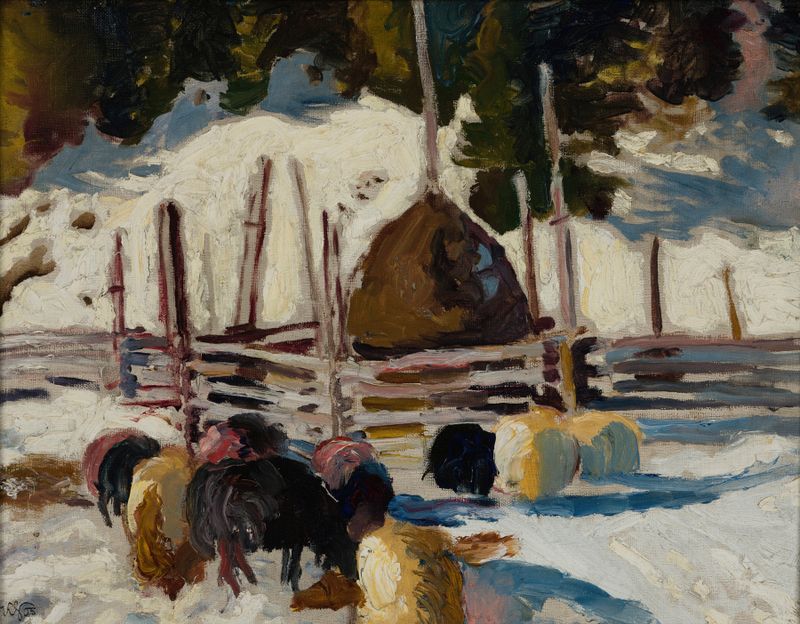
What secret hides in the quiet of the canvas? A moment suspended in time, where the passage of seasons whispers the tales of change, loss, and renewal. Look to the foreground, where a lone figure stands beneath a canopy of russet and gold foliage. The warm hues dominate the scene, inviting you to feel the crisp air of autumn as the leaves tumble gently to the ground. Notice the intricate brushwork that captures the movement of the wind, suggesting a fleeting moment caught between the embrace of summer and the chill of winter.
The composition draws your eye upward, where dappled sunlight filters through the branches, creating a mesmerizing interplay of light and shadow. Beneath the surface, the painting speaks of the impermanence of life. The figure, cloaked in muted tones, appears contemplative, reflecting the inevitability of change as nature transitions. There is a striking contrast between the vibrant colors of the leaves and the somberness of the lone figure, evoking feelings of nostalgia and introspection.
This emotional tension invites viewers to consider their own journeys through time and the seasons of their lives. Created in 1917 in Poland, during a time of political upheaval and change, this artwork reflects the artist’s deep connection to the natural world as well as the human experience. Sichulski was influenced by the Symbolist movement, using nature as an allegory for internal states. In this period, he explored themes of identity and belonging, channeling the uncertainty of his environment into a poignant visual narrative.