Musk Thistles — History & Facts
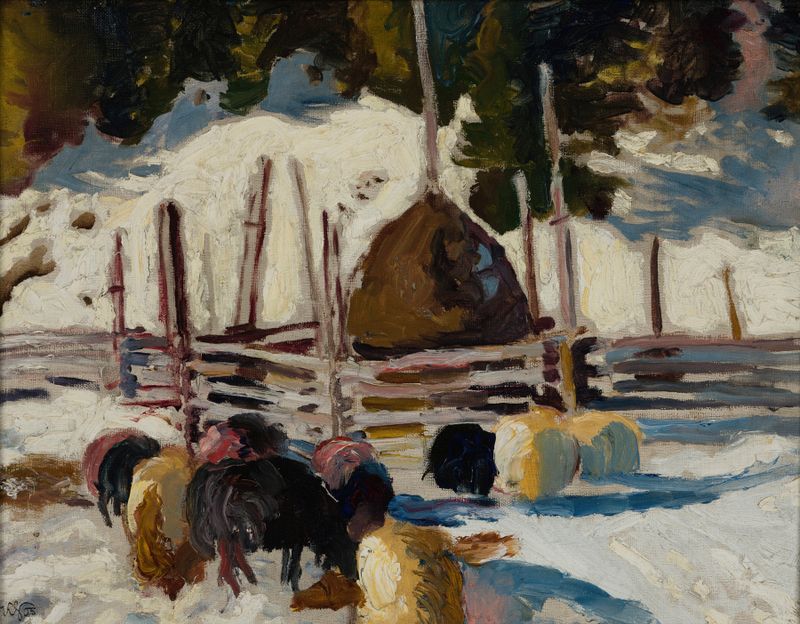
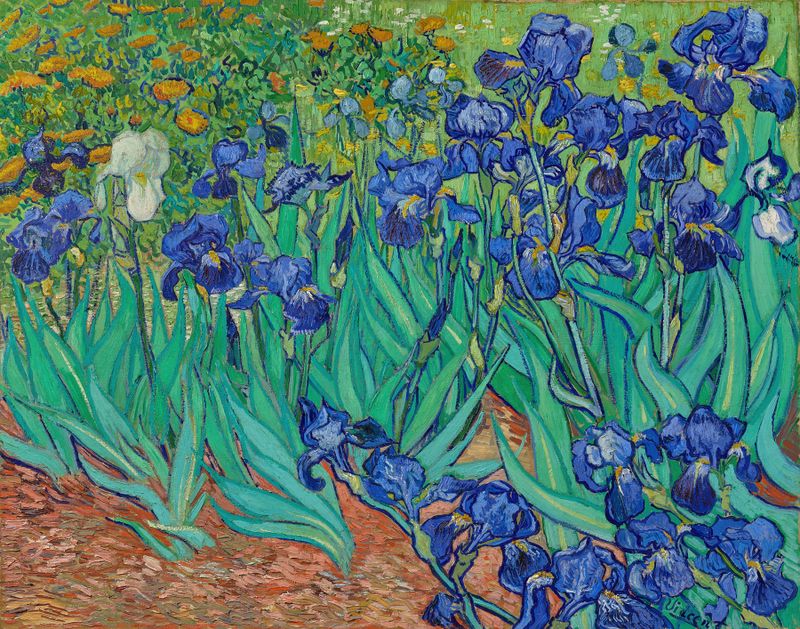
Could a single brushstroke hold eternity? In Musk Thistles, vivid colors collide and coexist, inviting the viewer into a world where nature's pulse resonates through every hue. Focus on the deep greens and purples that dominate the canvas, creating a lush backdrop. Notice how the brushstrokes dance across the surface, capturing the wild essence of the thistles. The vibrant yellows and whites burst forth, drawing the eye in a lively rhythm, as if the flowers themselves are swaying in a gentle breeze.
The deft layering of paint adds texture, while the play of light emphasizes the thistles’ spirited presence, celebrating their untamed beauty. Within this vibrant portrayal lies a deeper tension between fragility and resilience. The thistles, often viewed as stubborn weeds, are depicted in their full glory, challenging the viewer's preconceived notions. The contrast between the rich colors and the stark, thorny forms evokes a sense of struggle—life thriving against adversity.
This duality captures not only the essence of the flowers but also a broader narrative about nature's tenacity. Created in 1904, this work reflects Kazimierz Sichulski’s burgeoning reputation in the Polish artistic scene. During this period, Sichulski was exploring the interplay of color and texture, drawing inspiration from the Impressionists while infusing a distinctly nationalistic spirit into his art. The early 20th century in Poland was a time of cultural awakening, and this painting stands as a testament to both Sichulski’s innovative vision and the broader artistic movements of his time.