Autumn Day — History & Facts
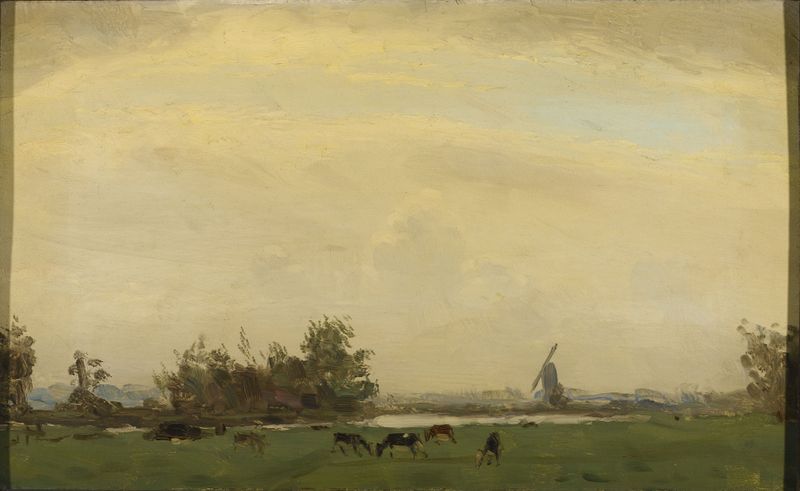
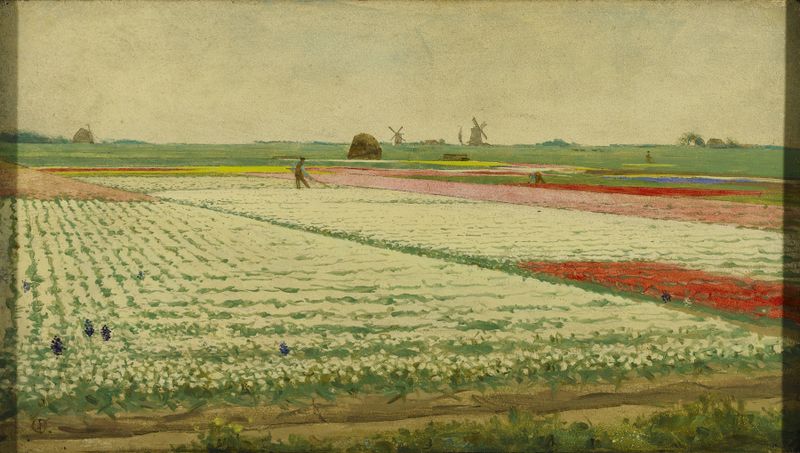
In the stillness of an autumn day, the shadows stretch long, whispering secrets of transformation and decay. Look to the left at the gentle cascade of golden leaves, their colors vibrant against a soft, muted backdrop. The brushstrokes here are deliberate, each stroke rich with texture, as if the artist sought to capture not just the essence of the season but the very air that hangs heavy with nostalgia. Notice how light dances across the ground, illuminating patches of earth while allowing others to retreat into shadow, creating a composition that feels at once serene and charged with an unspoken tension. Beneath the captivating interplay of light and shadow lies an exploration of transience.
The warm hues of amber and ochre evoke warmth, yet the encroaching dark areas suggest an inevitable decline, a reminder of the cycle of life. This contrast reflects the artist's intimate dialogue with nature—beauty exists not just in the brilliance of color, but also in the silence and stillness of fading moments. Each leaf, each shadow seems to hold a story, inviting the viewer to contemplate their own connection to the ephemeral. During the late 19th century, after moving to the Netherlands, the artist immersed himself in the beauty of Dutch landscapes.
In the context of an evolving art scene, where impressionism began to flourish, he sought new ways to express his feelings toward nature. This work, created between 1895 and 1915, stands as a testament to his refinement of technique, bridging a world steeped in tradition with a search for modern expression through the subtleties of color and shadow.