
Autumn in the Welsh Hills. — History & Facts
Could beauty survive in a century of chaos? Autumn in the Welsh Hills offers a resounding affirmation, capturing nature's exquisite balance amidst life's turbulence. The scene unfurls with a tapestry of warm hues, inviting the viewer to explore the profound interplay of color and light that breathes life into the composition. Look to the left at the vibrant strokes of orange and gold, where the foliage clings to the trees, dappled by sunlight filtering through the branches. The hills rise majestically in the background, their subtle shades of green and brown grounding the scene.
Notice how the artist's deft brushwork creates a rhythmic flow, leading the eye through the undulating landscape, inviting one to linger in its tranquil embrace. Beneath the serenity lies a tension between the vivid colors of autumn and the encroaching chill of winter. The interplay of light and shadow hints at the fleetingness of this beauty, suggesting that the season's brilliance is both a celebration and a farewell. The distant hills, shrouded in soft mist, evoke a sense of mystery, symbolizing the passage of time and the inevitability of change. In 1860, George Price Boyce painted Autumn in the Welsh Hills during a period marked by the Pre-Raphaelite movement's rise, focusing on realism and nature’s beauty.
Nestled within the aesthetic debates of his time, Boyce's work reflects a personal journey bound to the landscapes of Wales, which he cherished deeply. The painting embodies a moment where art and nature converge, offering both solace and reflection against the backdrop of a rapidly modernizing world.
More Artworks by George Price Boyce
Browse all →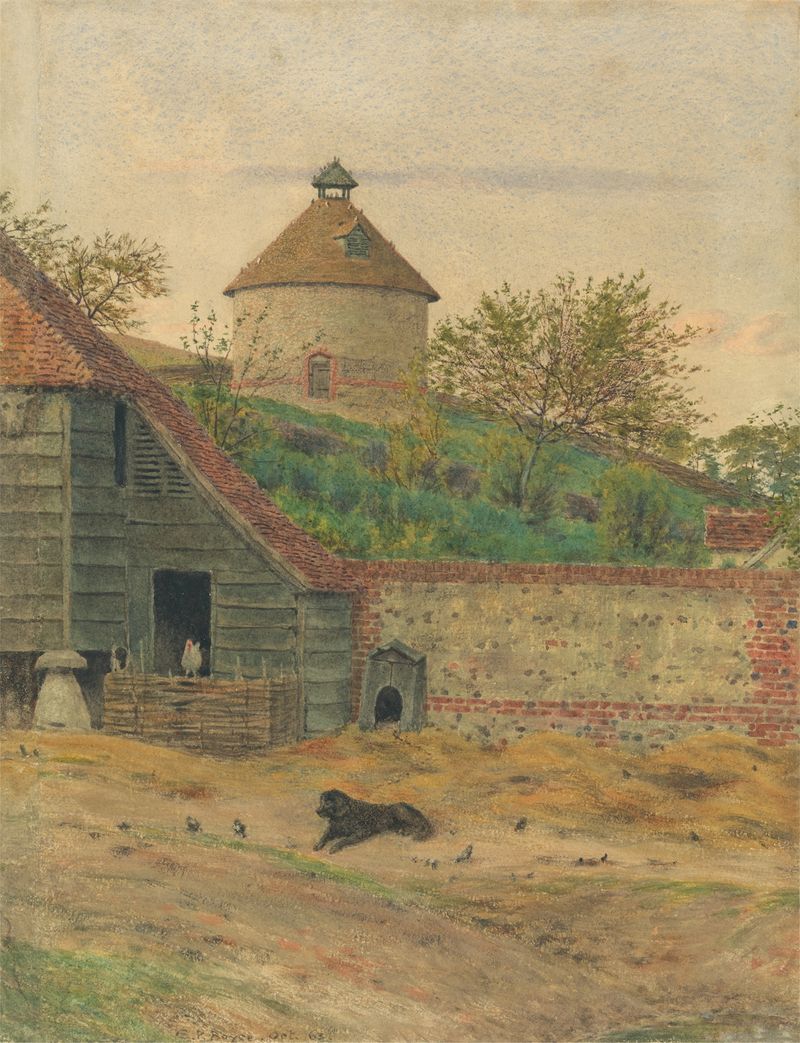
Dovecote at Streatley
George Price Boyce

The Sphinx near Giza in morning light
George Price Boyce
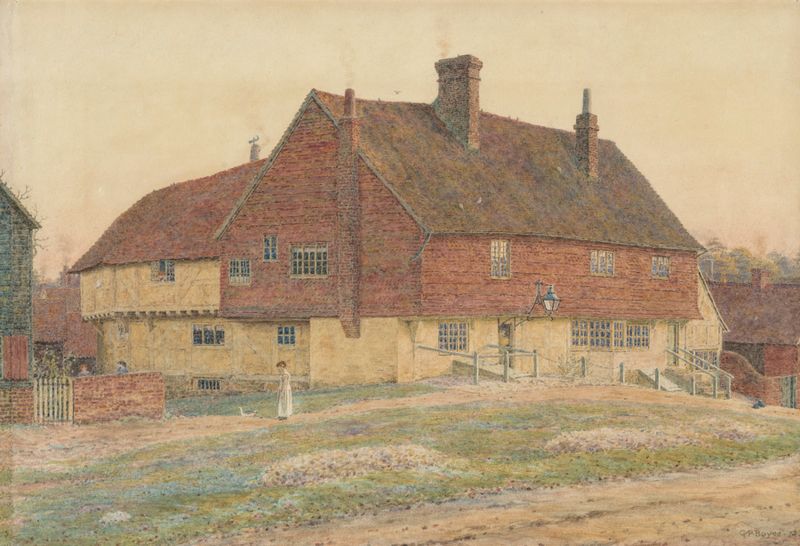
The Crown Inn at Chiddingfold, Surrey
George Price Boyce
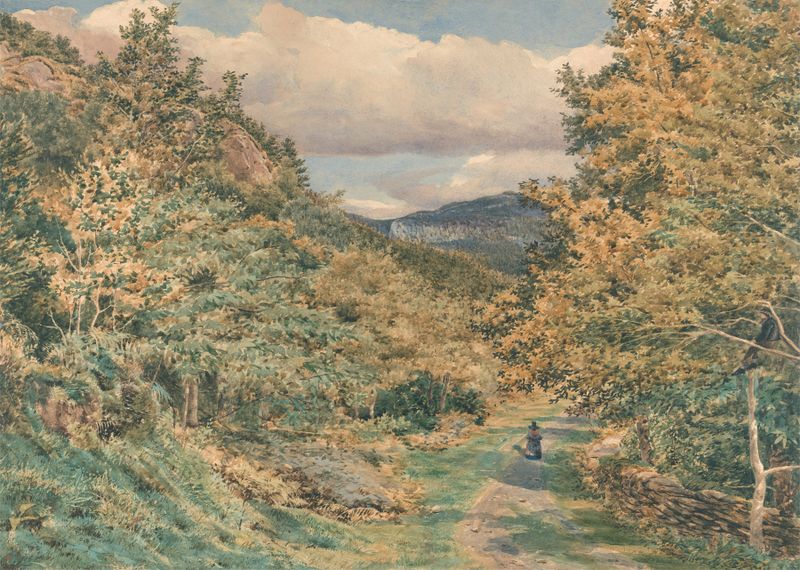
A Road Near Bettws-y-Coed
George Price Boyce

Brickfield at Pitland Street, Surrey
George Price Boyce
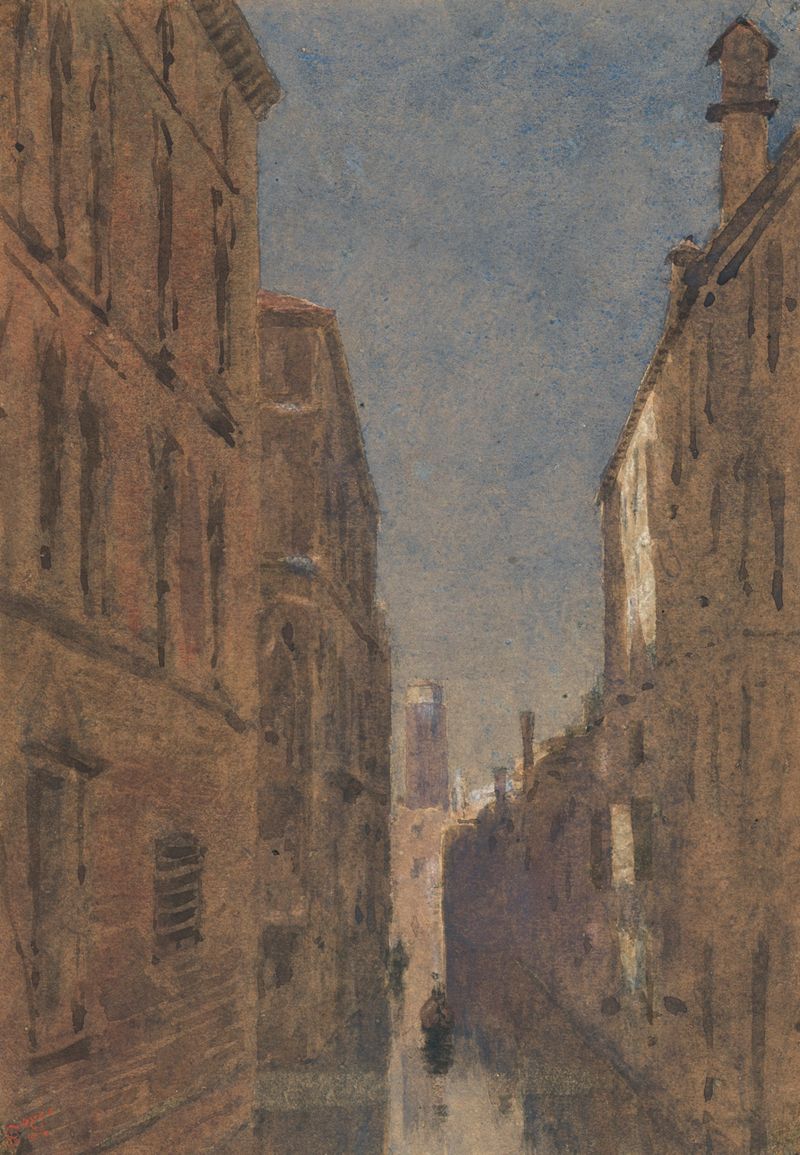
Venice by moonlight, Palazzo San Buonnodi a San Paolo
George Price Boyce





