
The Sphinx near Giza in morning light — History & Facts
Could beauty survive in a century of chaos? This question lingers as the sun rises over the ancient Sphinx, casting an ethereal glow on its weathered stone. The scene is a reminder of time’s relentless march, but the light brings with it a promise of hope, illuminating the intersection of history and the present. Look to the left, where the delicate rays of morning light gently touch the Sphinx's surface, revealing the intricate textures that speak to centuries of existence. The soft palette of earthy tones—sandy beiges and muted browns—contrasts with the vibrant azure of the sky, creating a harmonious balance.
The artist’s brushwork captures the tranquil yet powerful essence of the monument, inviting the viewer to linger in the serene moment he has portrayed. Within this composition lies a profound tension between permanence and transience. The Sphinx, an emblem of enduring strength, stands resolute against the ephemeral beauty of dawn. Yet, there is movement suggested in the shifting shadows, hinting at the passage of time and the inevitable changes it brings.
The juxtaposition of stillness and fleeting light evokes a sense of longing, reflecting humanity’s quest for beauty amidst uncertainty. In 1862, George Price Boyce painted this work while exploring Egypt, a time when the fascination with ancient civilizations was in full bloom. His travels coincided with the Pre-Raphaelite movement’s interest in realism and detail, marking a period of personal and artistic growth. The world was undergoing significant change, yet Boyce chose to immortalize a moment that resonates with timelessness, capturing the essence of a beauty that perseveres.
More Artworks by George Price Boyce
Browse all →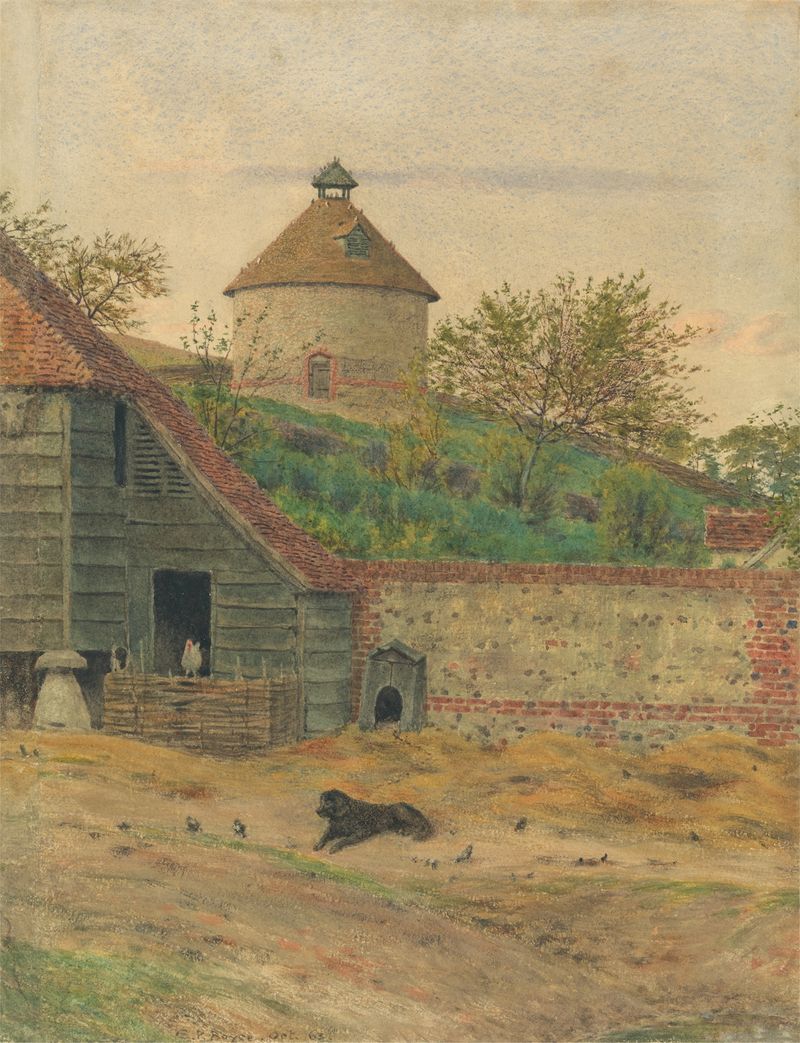
Dovecote at Streatley
George Price Boyce

Autumn in the Welsh Hills.
George Price Boyce
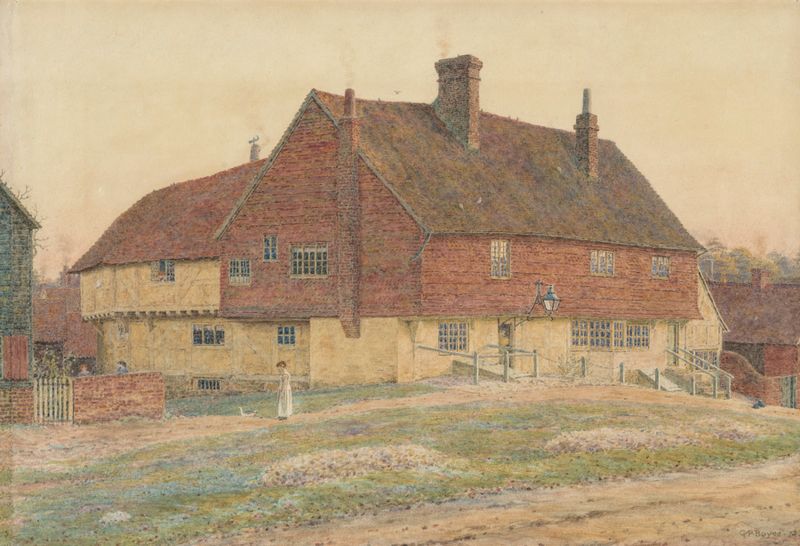
The Crown Inn at Chiddingfold, Surrey
George Price Boyce
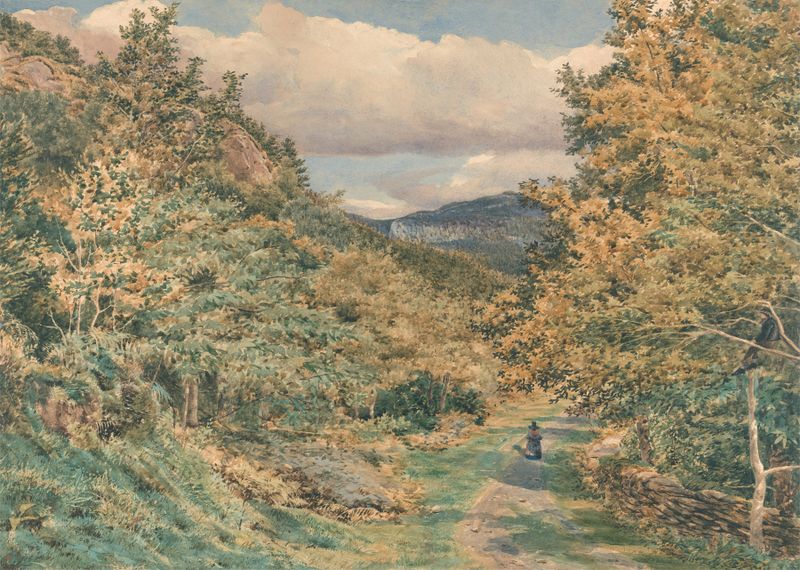
A Road Near Bettws-y-Coed
George Price Boyce

Brickfield at Pitland Street, Surrey
George Price Boyce
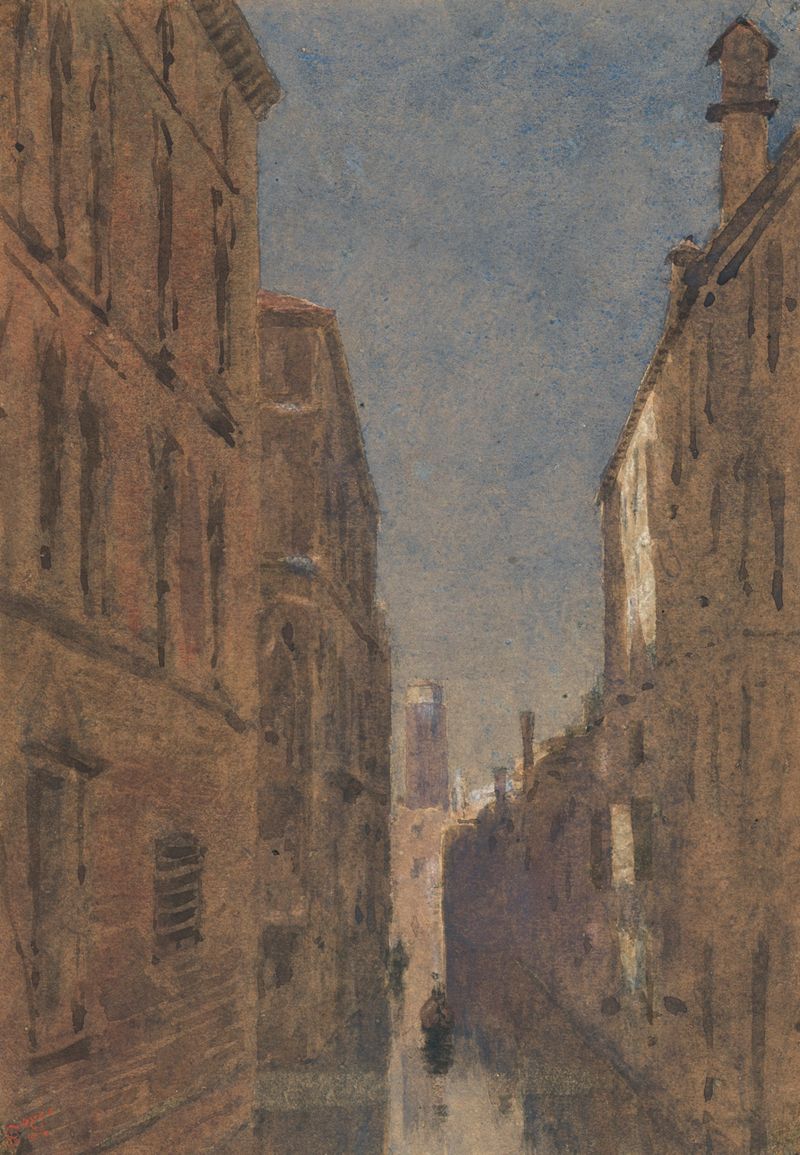
Venice by moonlight, Palazzo San Buonnodi a San Paolo
George Price Boyce





