
Autumn Tangle — History & Facts
When did color learn to lie? In a world where hues rustle like whispers of forgotten truths, the question hangs heavy, inviting contemplation on the nature of mortality and the fleeting beauty of existence. Look to the center of the canvas, where a fiery blaze of autumn leaves creates a striking contrast against the deep, shadowed earth. The vibrant oranges and reds seem to dance with life, yet there is an underlying darkness that suggests their imminent decay. Notice the careful brushwork that captures each leaf’s texture, revealing the artist's intimate connection to nature while hinting at the inevitable passage of time. Beyond the surface, the interplay of light and shadow evokes a sense of nostalgia and transience.
Each leaf, in its vividness, becomes a poignant reminder of the cycle of life. The chaotic entanglement of branches and foliage speaks of a tangled existence, where beauty and ruin intertwine. It challenges the viewer to confront the delicate balance between life’s vibrancy and its fragility. In 1920, Autumn Tangle emerged during a significant period in William Henry Holmes's career, as he transitioned from scientific illustration to fine art.
Living in a time of social upheaval and change, he sought solace in the natural world, examining its complexities through his unique lens. This painting reflects both his mastery of color and form and the broader human experience of grappling with mortality and beauty in a shifting landscape.
More Artworks by William Henry Holmes
Browse all →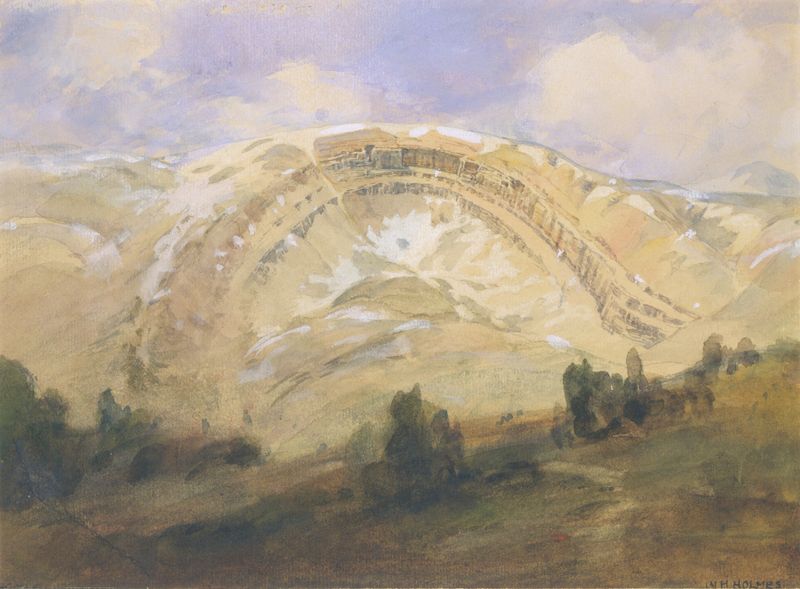
Folded Strata, A Great Geological Arch, Colorado
William Henry Holmes
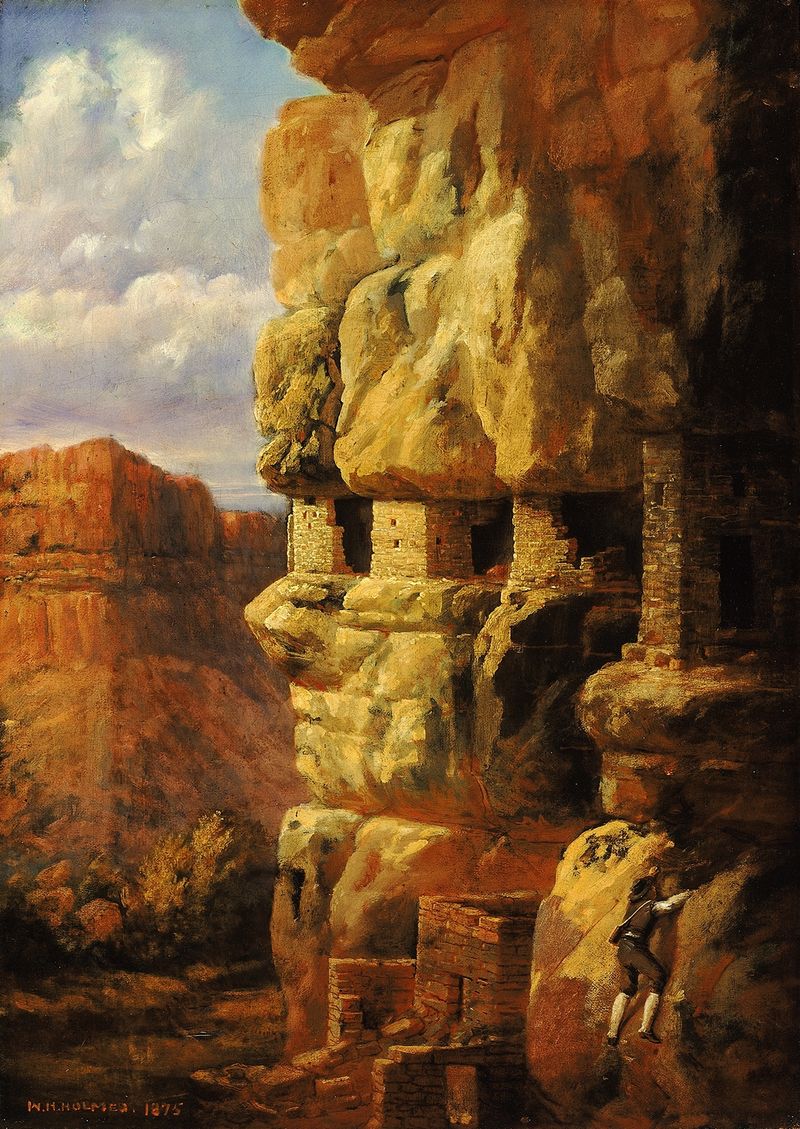
Cliff Houses On The Rio Mancos, Colorado
William Henry Holmes
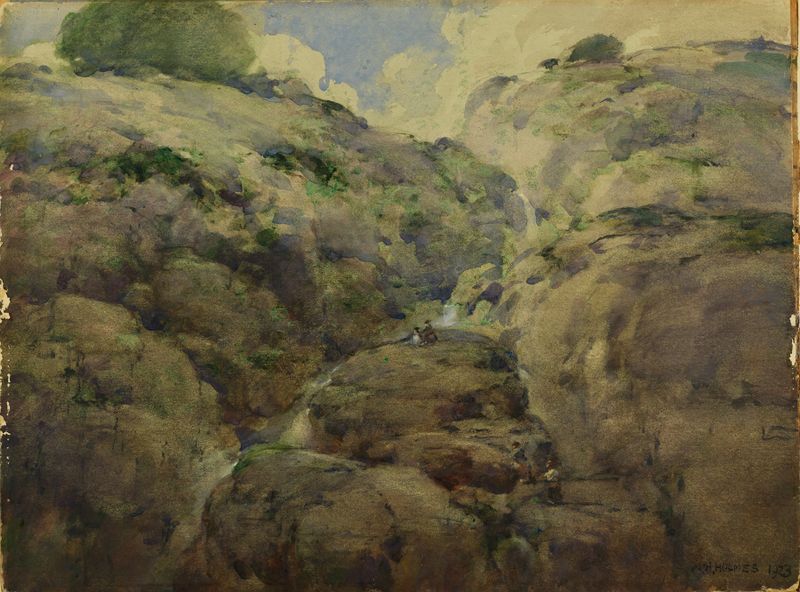
Mountain Gorge, Colorado
William Henry Holmes
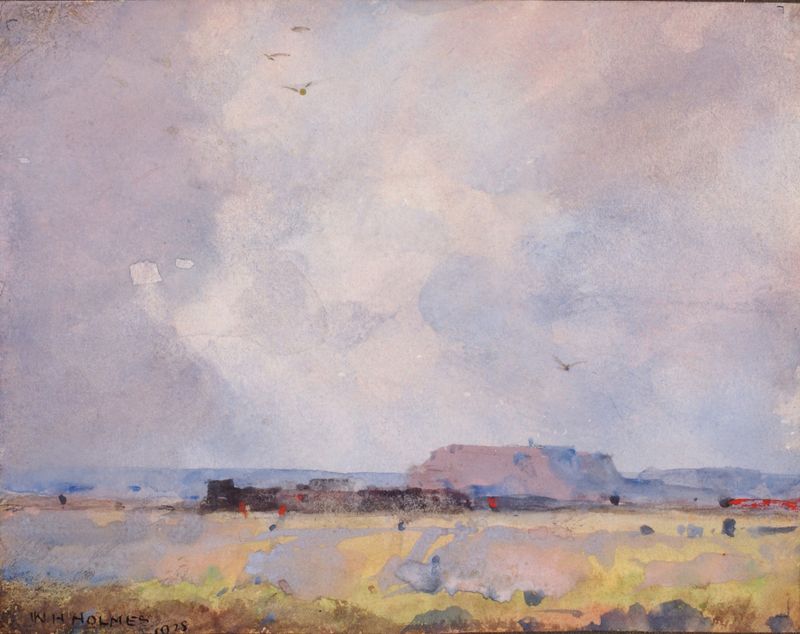
In The Plateau Country, With An Inhabited Pueblo
William Henry Holmes
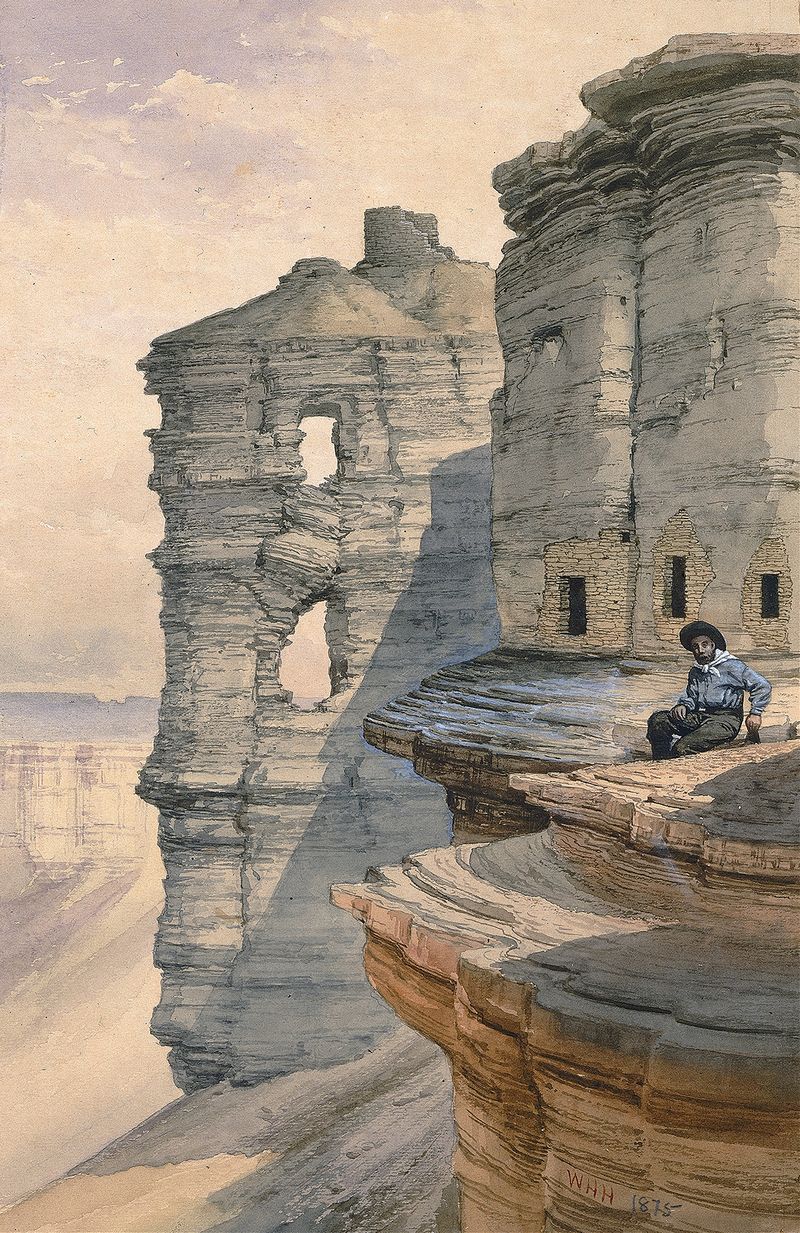
Cliff Houses on the Rio Mancos, Colorado
William Henry Holmes
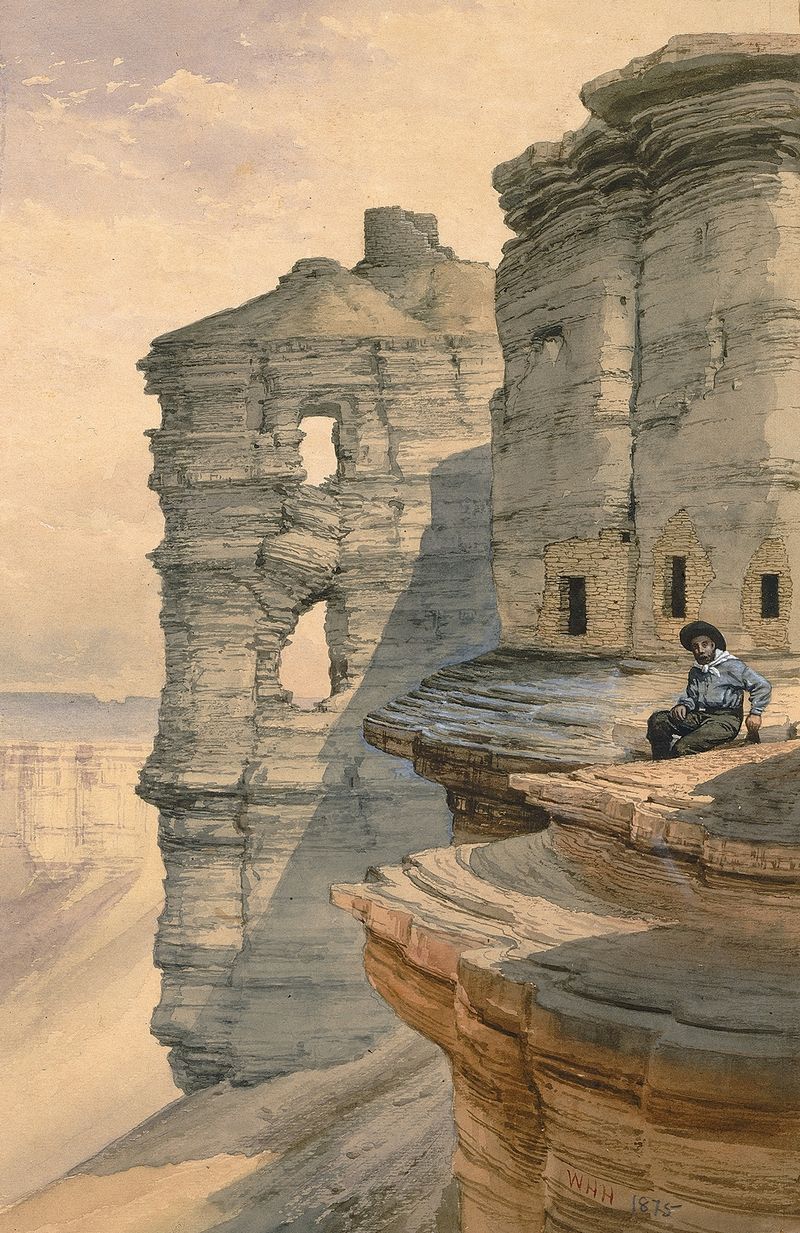
Cliff Houses On The Rio Mancos, Colorado
William Henry Holmes
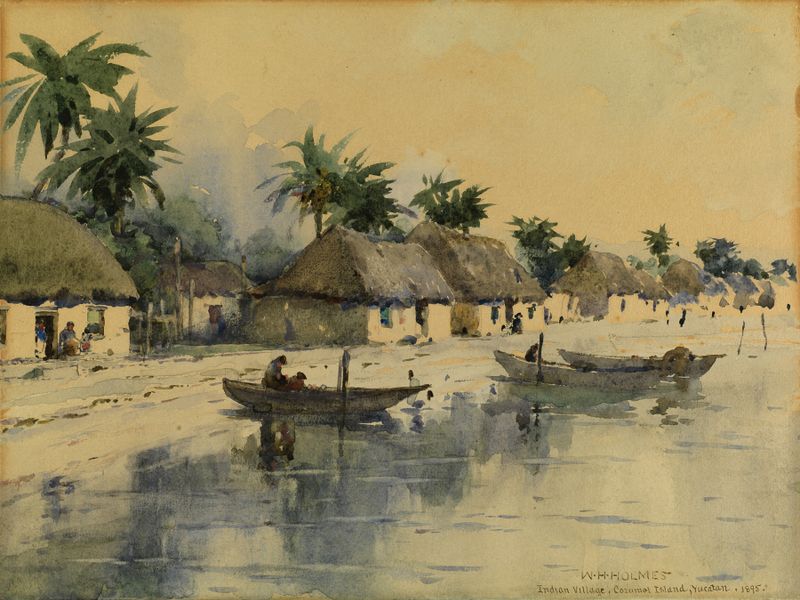
Indian Village, Cozumel Island, Yucatan
William Henry Holmes
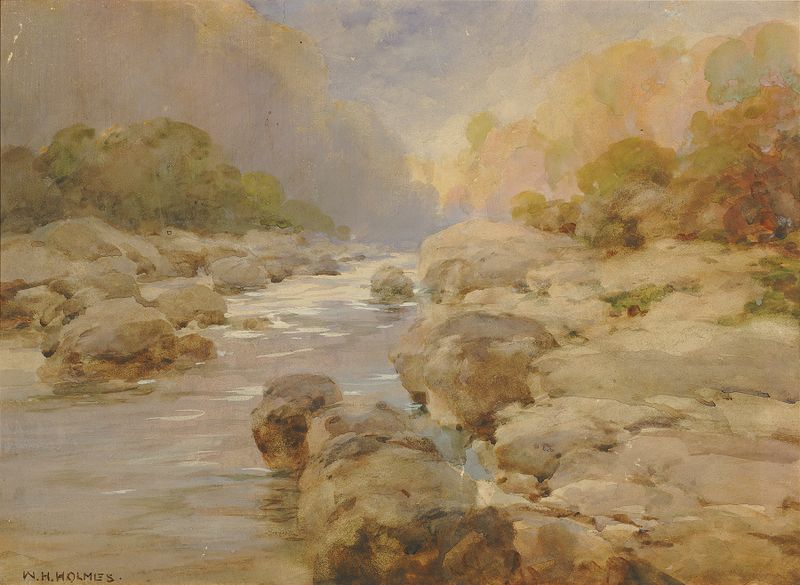
Unmodified Rock Creek, About 1910
William Henry Holmes
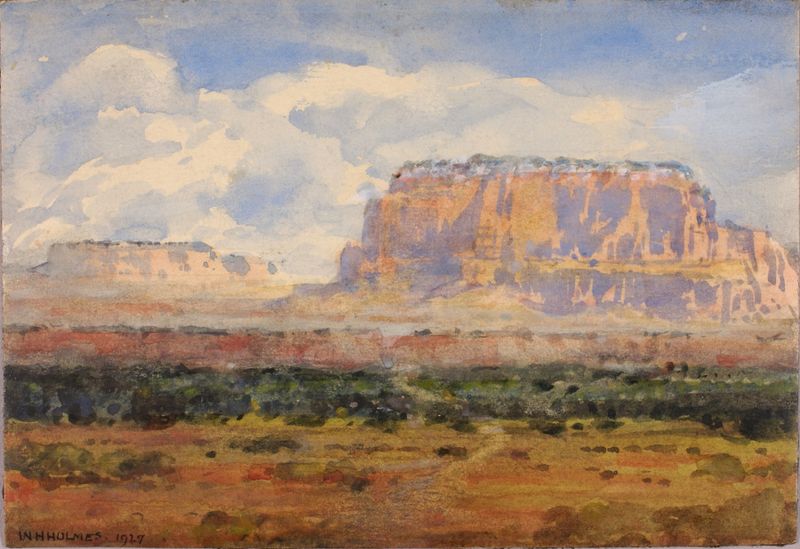
The Enchanted Mesa
William Henry Holmes
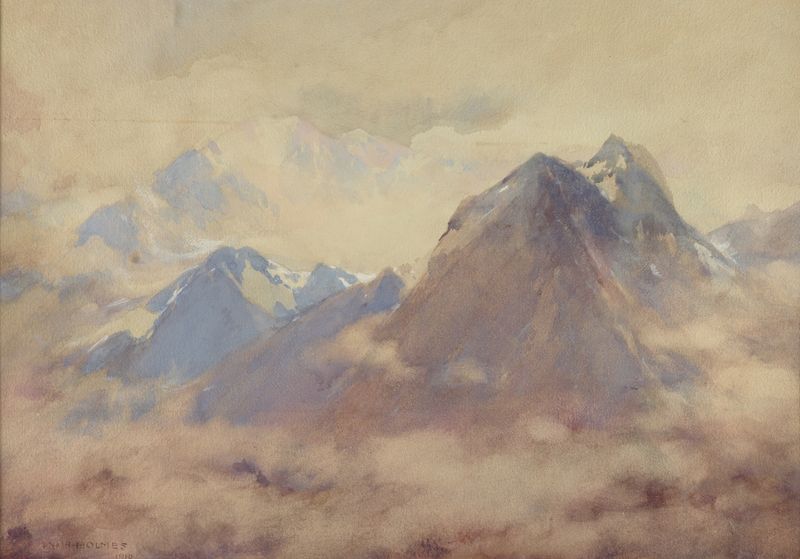
The Almighty’s Own, An Impression Of The High Andes
William Henry Holmes





