Autumnal Landscape — History & Facts
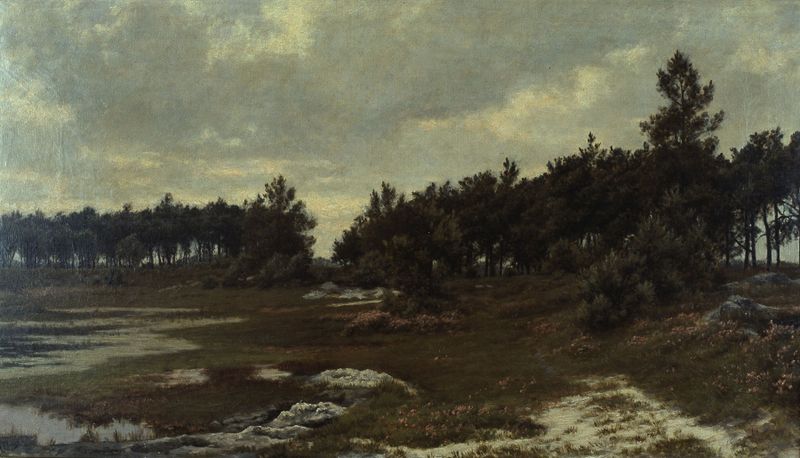
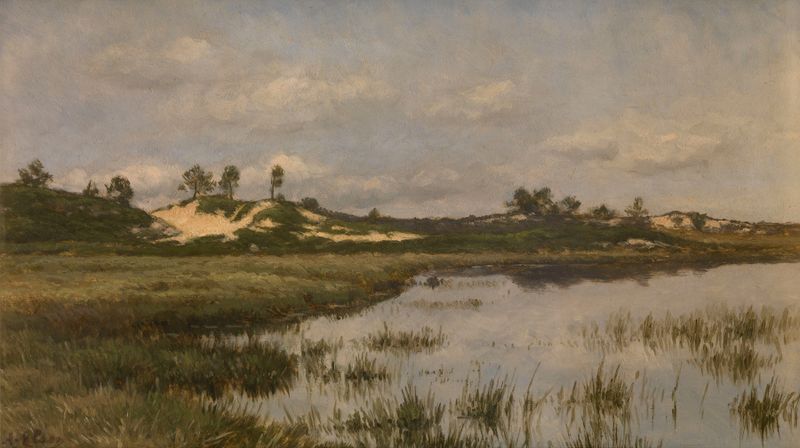
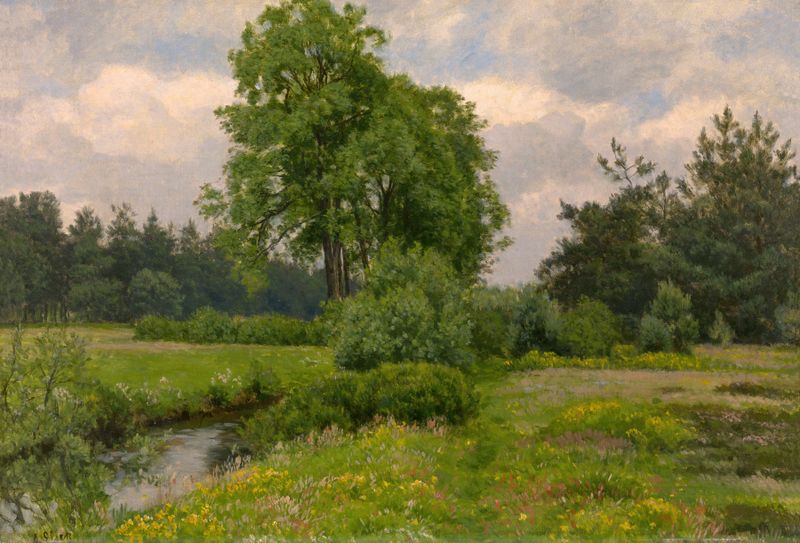
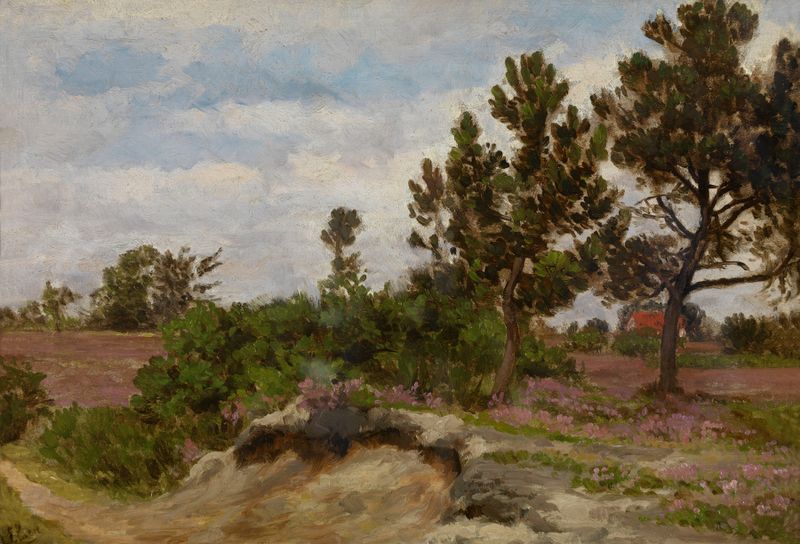
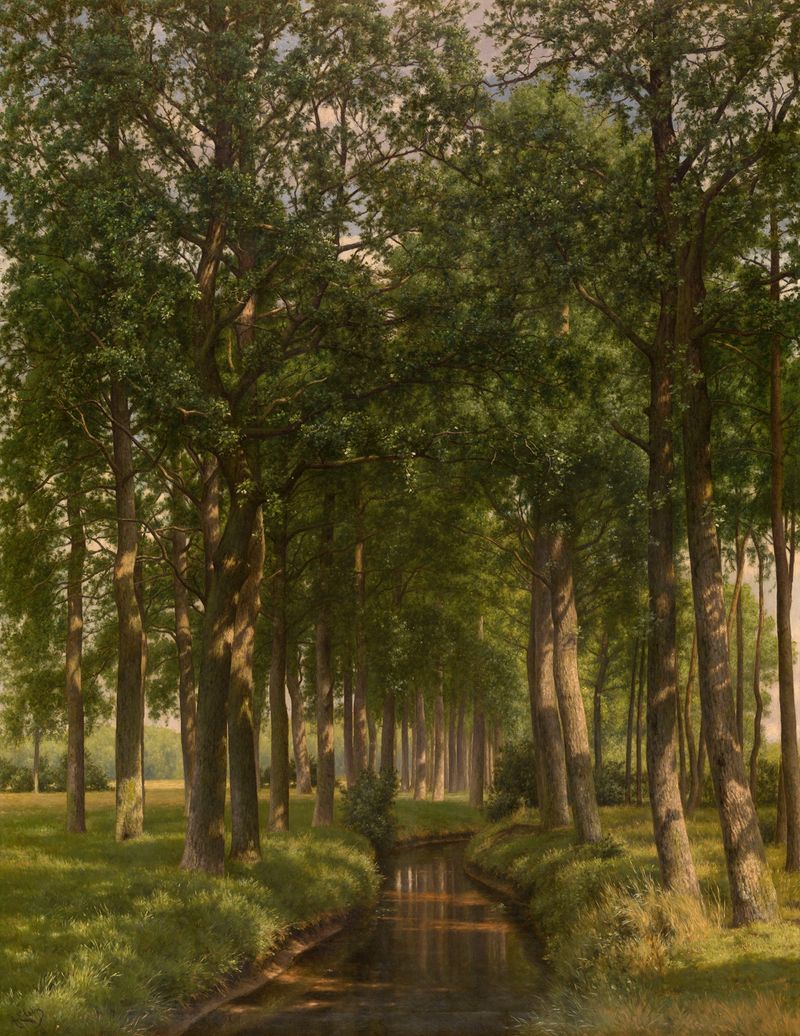
Did the painter know this moment would outlive them? In Autumnal Landscape, Alfred Elsen captures a fleeting beauty, a testament to the obsessive pursuit of nature’s transitory essence. Look to the foreground, where fields of amber and ochre stretch out like a quilt beneath a sky brushed with soft pastels. The vibrant trees stand resolute, their branches swaying gently, framing the scene with a sense of both abundance and decay. Notice how the light filters through the leaves, casting dappled shadows that dance upon the ground, emphasizing the delicate interplay between illumination and the encroaching dusk. At the heart of this landscape lies a tension between the vibrant life of autumn and the inevitable onset of winter.
The swirling colors not only signify change, but also echo the artist's own longing for permanence amidst the ephemeral beauty of the world. Each brushstroke seems imbued with a palpable yearning, inviting the viewer to reflect on their own relationship with the seasons and the passage of time. Elsen created this work in 1877, during a period when American artists were increasingly drawn to capturing nature's raw beauty. Living in a world on the cusp of industrialization, he sought solace in landscapes that mirrored his emotional landscape.
The work reflects both his personal obsession with nature and the broader artistic movement of the time, as artists grappled with their own place in a swiftly changing world.