Heath Landscape in the Kempen — History & Facts
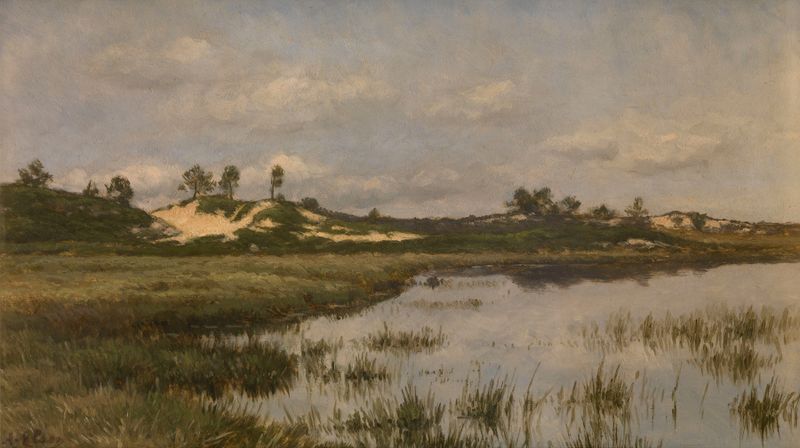
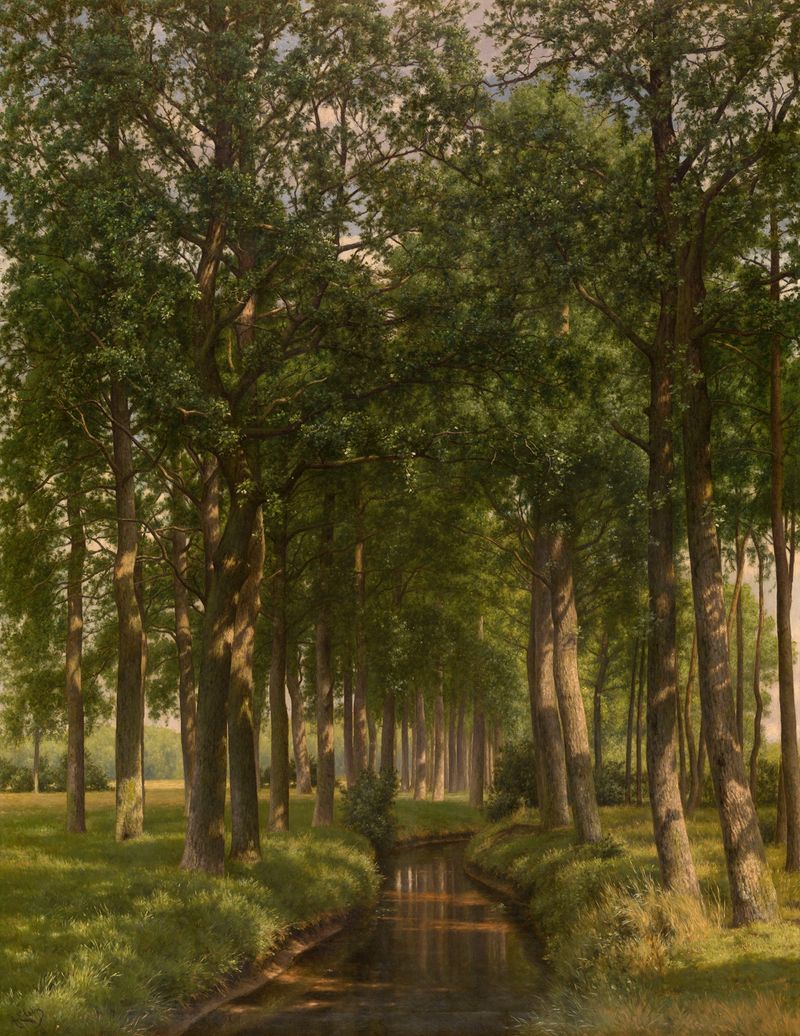
When did color learn to lie? In a world that often seeks to mask its truths, the legacy of the landscape remains bare, speaking to those who dare to listen. Look to the horizon where muted greens and browns merge into a warm, golden sky, a testament to the artist’s delicate skill. Notice how the brushstrokes dance across the canvas, creating a texture that seems almost tangible. The subtle play of light and shadow reveals the undulating shapes of the heath, inviting the viewer’s eye to wander through the sprawling terrain.
Each layer of color evokes an emotional resonance, suggesting both the beauty and the decay inherent in nature. As you delve deeper into the scene, consider the contrasts at play—the vitality of the earth against the melancholy of the twilight. The soft illumination hints at the end of a day, symbolizing the passage of time, while the earthy tones reflect a connection to the past. These elements converge to offer insight into the fleeting nature of existence, prompting reflection on the legacy left behind in both nature and human endeavor. In the 19th century, as Alfred Elsen painted this work, he was immersed in a Europe grappling with rapid industrial change.
The Romantic movement was at its peak, emphasizing the emotional response to nature and individualism. Elsen, influenced by these ideals, sought to capture the essence of the landscape, intertwining his personal experiences with the broader themes of heritage and transience. This painting stands as a bridge between epochs, inviting viewers to contemplate their own relationship with the earth.