
Auvernier — History & Facts
Could beauty survive in a century of chaos? The question hangs in the air, echoing through time as we gaze upon the serene landscapes of our existence. Look to the soft contours of the hills, where delicate brushstrokes blend shades of green and gold beneath a tender sky. Notice how the light dances along the tranquil surface of the water, reflecting not just the scenery, but also an inner peace. The composition is carefully balanced, drawing the eye towards the horizon, where land meets sky in an embrace of harmonious colors, offering solace in each layer of paint. Within this calmness lies an undercurrent of emotional tension.
The juxtaposition of the serene landscape against the vastness of the sky suggests an inherent fragility; one misstep, and the balance could falter. The poetic use of light hints at hope, while looming shadows suggest the inevitable presence of chaos, creating a tension that resonates deeply. Each detail invites introspection, urging viewers to consider their own faith in beauty amidst uncertainty. Jean Jacottet painted Auvernier during a time of personal exploration and transformation.
Little is documented about this piece, but it reflects a period when the artist was establishing his unique voice, grappling with the shifting tides of 20th-century art. In this era marked by conflict and transformation, the quiet emergence of a distinct style became both a rebellion and a testament to the enduring power of nature and beauty.
More Artworks by Jean Jacottet
Browse all →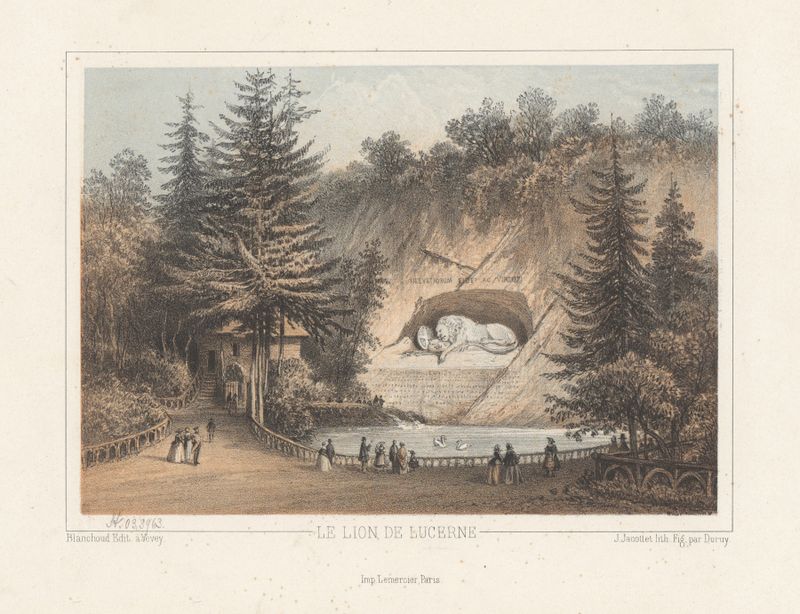
Le lion de Lucerne
Jean Jacottet
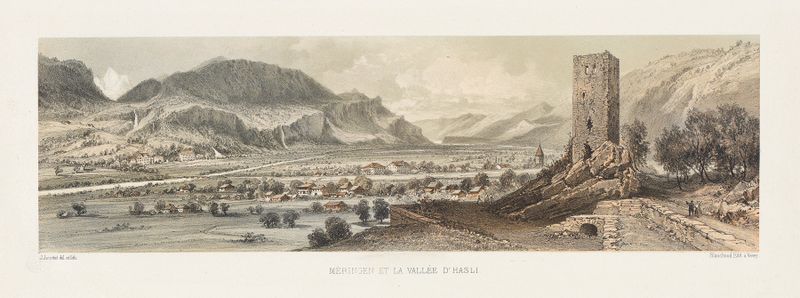
Méringen et la vallée d’Hasli
Jean Jacottet
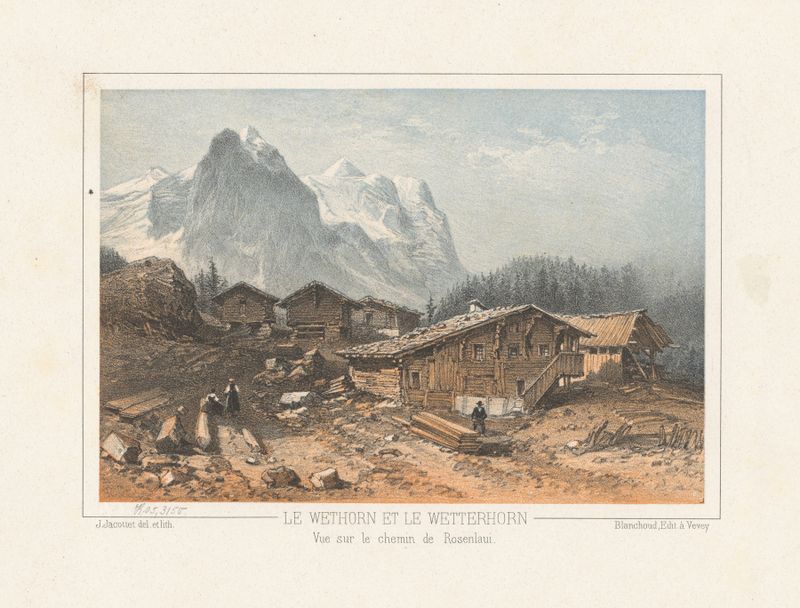
Le Wethorn et le Wetterhorn Vue sur le chemin de Rosenlaui
Jean Jacottet
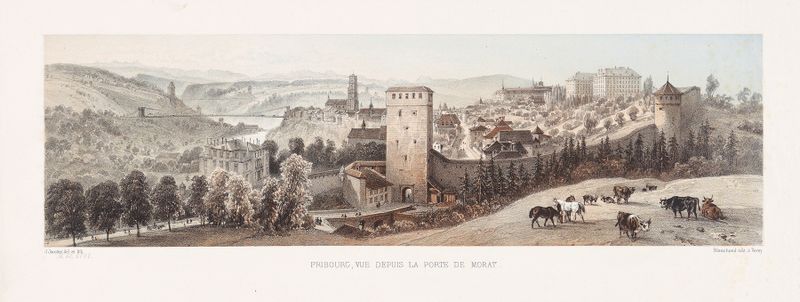
Fribourg, vue depuis la porte de Morat
Jean Jacottet
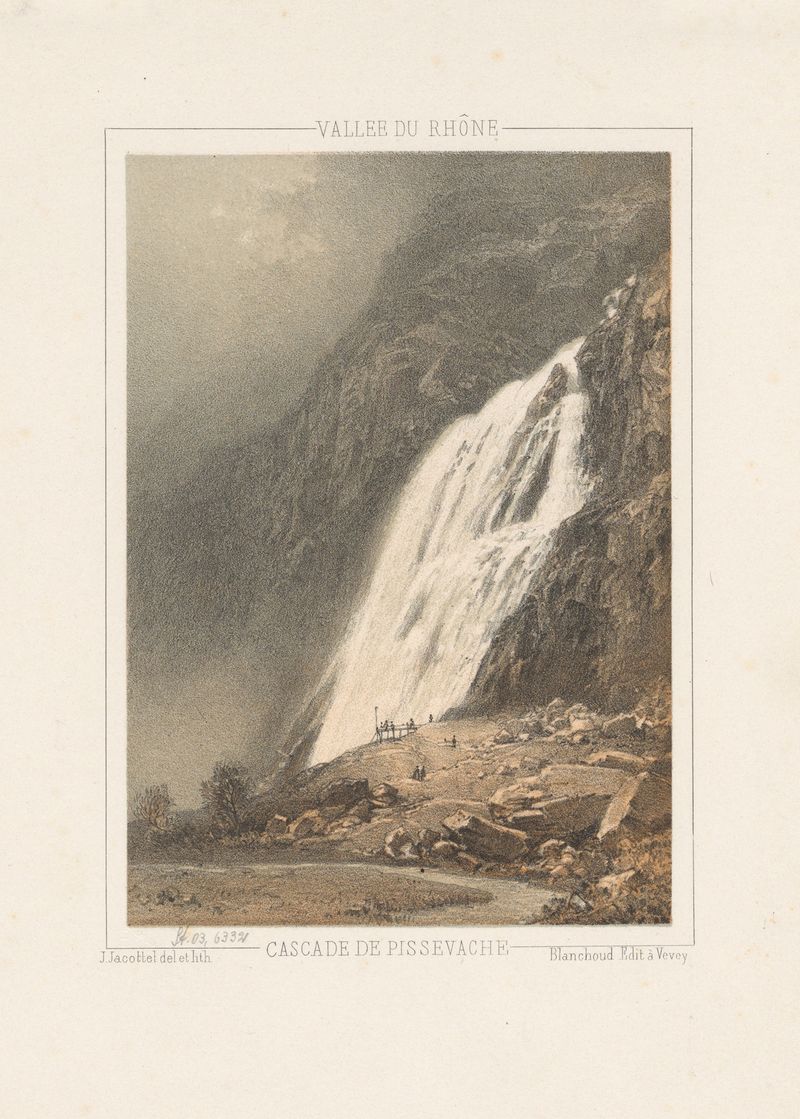
Cascade de Pissevache
Jean Jacottet
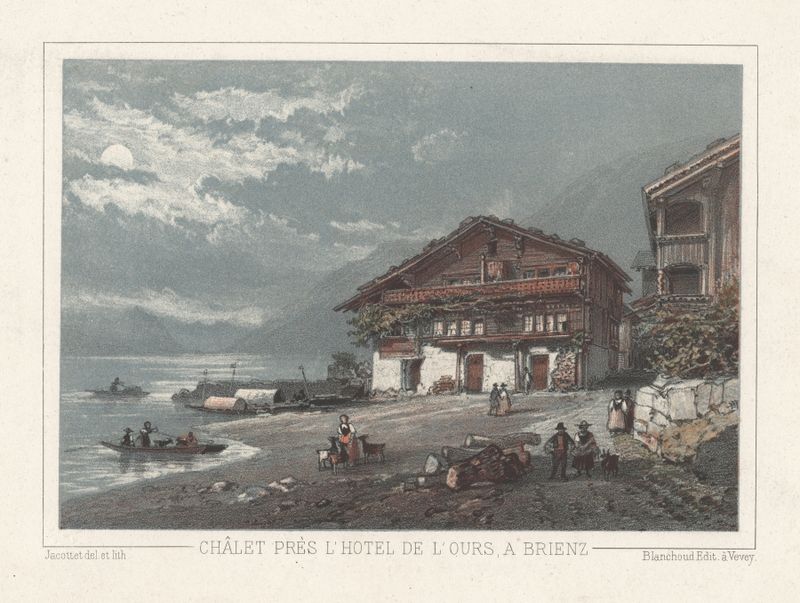
Châlet près l’Hotel de l’Ours, a Brienz
Jean Jacottet
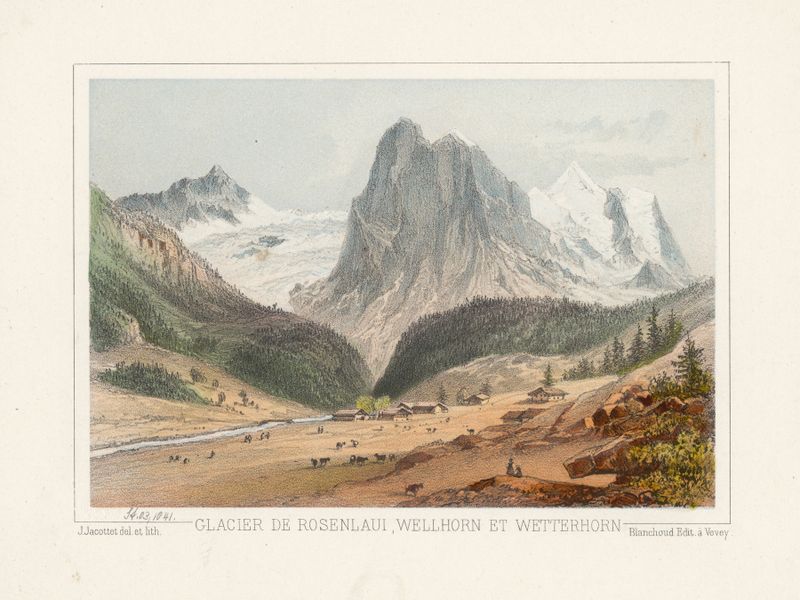
Glacier de Rosenlaui, Wellhorn et Wetterhorn
Jean Jacottet
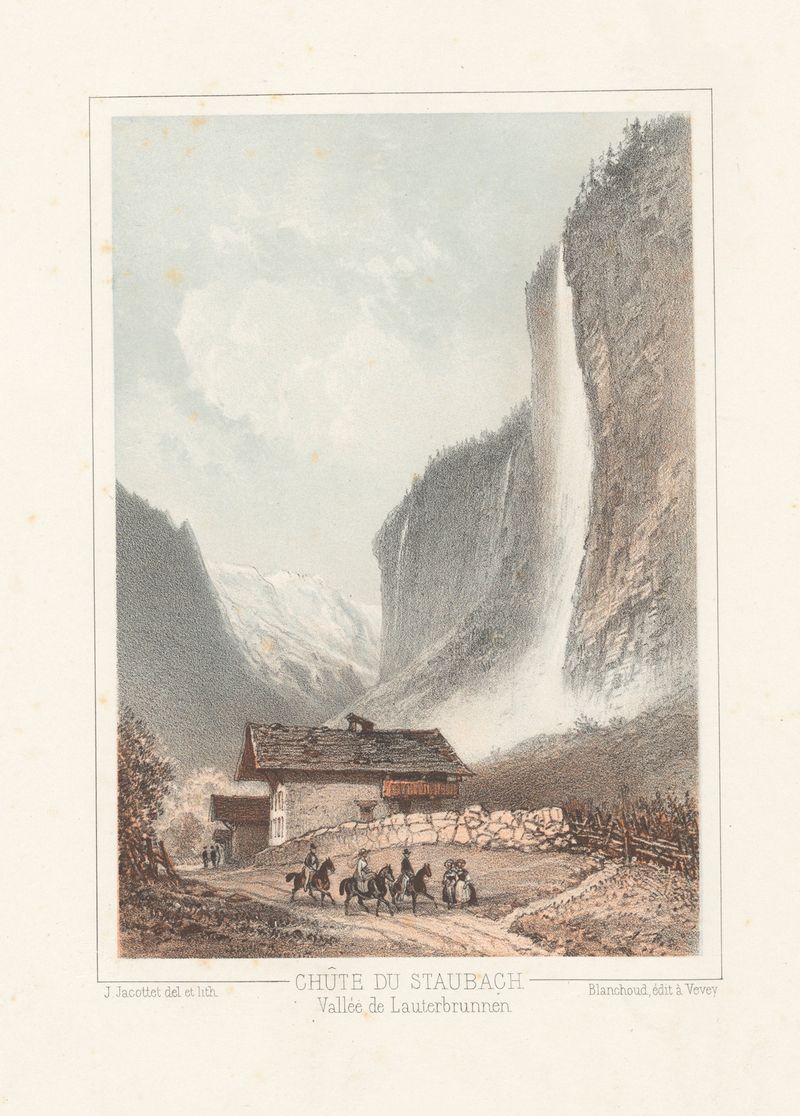
Chûte du Staubach Vallée de Lauterbrunnen
Jean Jacottet
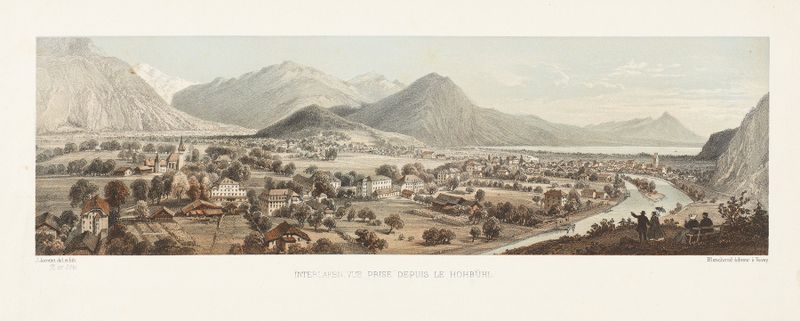
Interlaken, vue prise depuis le Hohbühl
Jean Jacottet
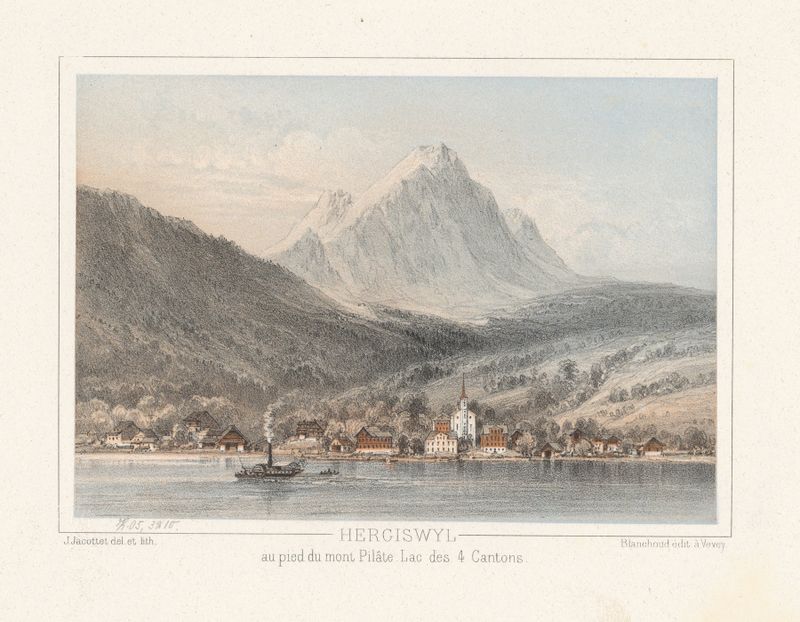
Hergiswyl au pied du mont Pilâte. Lac des 4 Cantons
Jean Jacottet





