
Ave Maria — History & Facts
What secret hides in the quiet of the canvas? With a gentle nod to nostalgia, the stillness of the moment invites contemplation, urging viewers to uncover layers beneath its surface. Look to the left at the delicate figure of the Virgin Mary bathed in a soft, ethereal light. The hues of blue and gold resonate with a quiet reverence that envelops the scene. Notice how the artist skillfully employs chiaroscuro, contrasting the gentle illumination on her serene face with the deeper shadows that envelop the background, creating an atmosphere thick with emotion and contemplation.
Each brushstroke carries an intentional weight, guiding the eye towards the tender expression that encapsulates both humility and grace. The subtle details reveal a rich tapestry of meanings. The infant’s presence, though not fully discernible, hints at the bond between mother and child, a universal symbol of unconditional love. The intricate folds of her garment convey a sense of timelessness, blurring the lines between past and present, suggesting how memories can haunt and comfort in tandem.
This intricate balance of light and shadow not only emphasizes the divine but also reflects the complexities of human emotion, echoing the vulnerabilities we all carry. Joseph Wopfner painted this work during a time when religious themes were pivotal in the world of art, though the exact date remains uncertain. His commitment to portraying biblical scenes coincided with broader movements in art that sought to evoke spirituality amidst the emerging modernist sensibilities of the early 20th century. This piece stands as a testament to his ability to evoke profound feelings through simplicity and grace, resonating with viewers across generations.
More Artworks by Joseph Wopfner
Browse all →
Fischer am Chiemseeufer
Joseph Wopfner

An der Nordseeküste
Joseph Wopfner

Fischerzug am Chiemsee
Joseph Wopfner

Fischer am Chiemseeufer
Joseph Wopfner
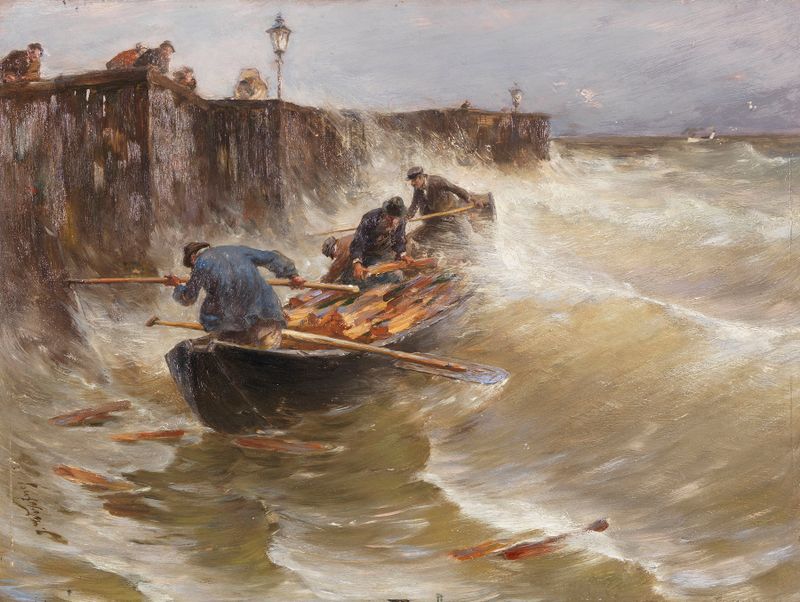
Gefährliche Anlandung der Holzfischer am Bodensee
Joseph Wopfner

Ausfahrt Der Fischer
Joseph Wopfner
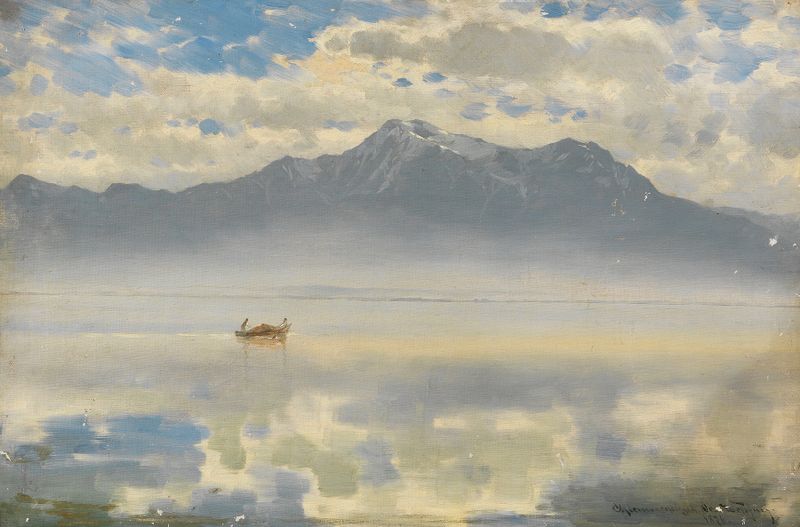
Chiemseespiegel
Joseph Wopfner
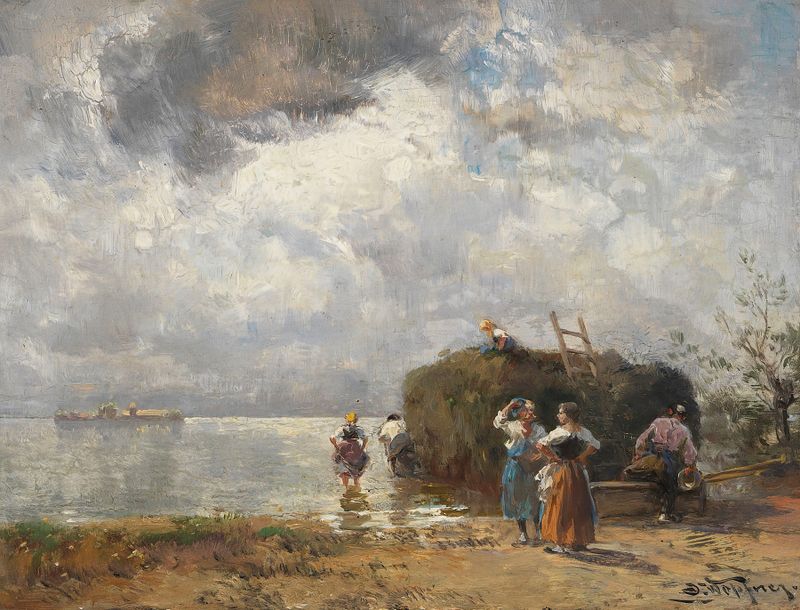
Heuschiff am Chiemsee
Joseph Wopfner

Fischer und Mönche am Ufer
Joseph Wopfner

Verschiffung der Heuernte am Chiemsee mit aufziehendem Gewitter
Joseph Wopfner
More Religious Art
Browse all →
The Return of the Prodigal Son
Rembrandt van Rijn

The Garden of Earthly Delights
El Bosco

Count Orgaz’ funeral
El Greco

The Hundred Guilder Print: the central piece with Christ preaching, the plate arched
Rembrandt van Rijn

The Descent from the Cross
Rogier van der Weyden

The return of the prodigal son
Rembrandt van Rijn