
Łazienki Park, the view with the Water Tank — History & Facts
Is this a mirror — or a memory? The vibrant hues of Łazienki Park, the view with the Water Tank beckon viewers into a realm where color transcends mere representation, inviting introspection and resonance with the past. Focus on the lush greens that envelop the scene, drawing your gaze toward the tranquil water reflecting the sky. Notice how Vogel employs delicate brush strokes to capture the interplay of light and shadow, crafting a serene atmosphere. The water tank, central to the composition, stands as a quiet sentinel amidst the verdant landscape, its serene presence anchored by the harmony of the surrounding foliage. Beneath the picturesque exterior lies an exploration of human connection to nature.
The juxtaposition of the tranquil water with the architectural form of the tank hints at the tension between the natural and the man-made, suggesting a longing for balance. The vibrant colors juxtaposed with softer tones create an emotional cadence, evoking nostalgia and a yearning for simpler times, encapsulating the fleeting beauty of nature. In 1794, Zygmunt Vogel found himself in Warsaw, a city burgeoning with artistic potential yet grappling with political unrest. Influenced by the emerging Romantic ideals, he painted this work during a time when nature was revered as a sanctuary amidst the turmoil.
Vogel sought to capture not just the physical landscape, but the emotional landscape of an era, bridging personal reflection with the broader ethos of his time.
More Artworks by Zygmunt Vogel
Browse all →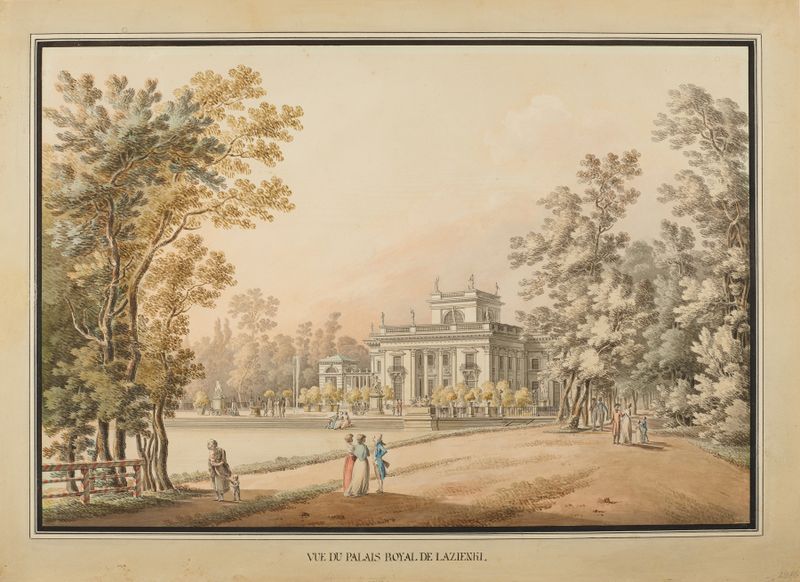
Łazienki Park, the view from the south
Zygmunt Vogel
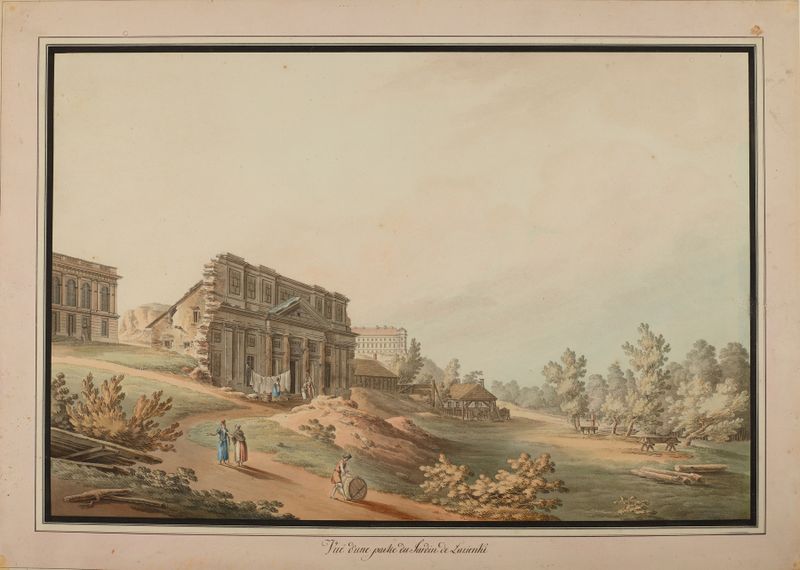
View of the park buildings in Łazienki Park
Zygmunt Vogel
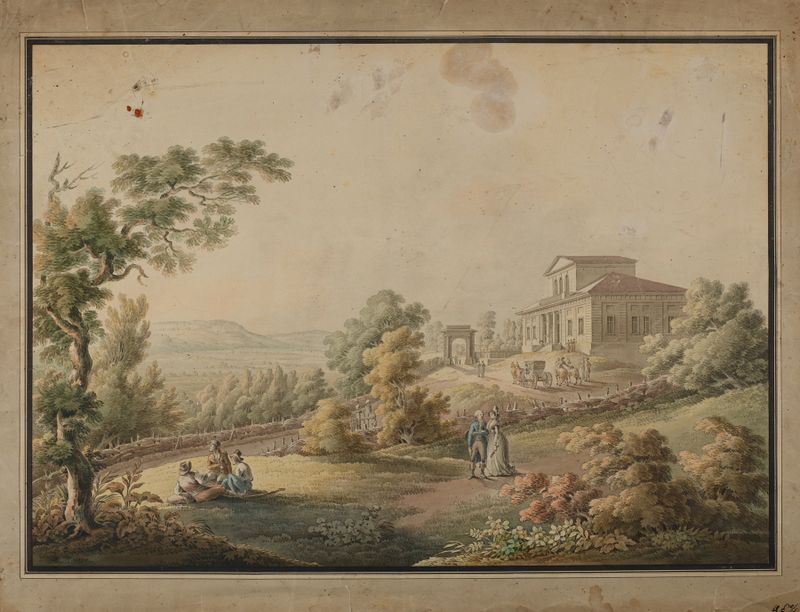
View of the manorial estate in Niegoszowice
Zygmunt Vogel
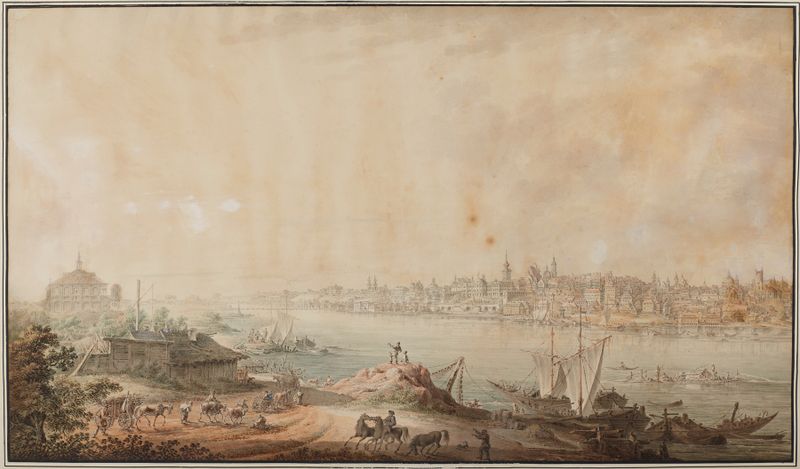
View of Warsaw from the side of the Loreto church in the Praga district
Zygmunt Vogel
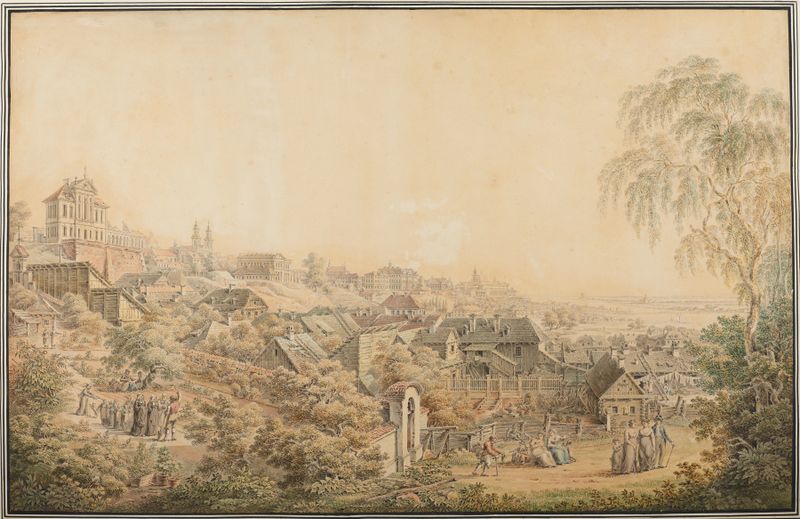
View of Warsaw from the side of the gardens in the Saint Casimir’s Monastery
Zygmunt Vogel
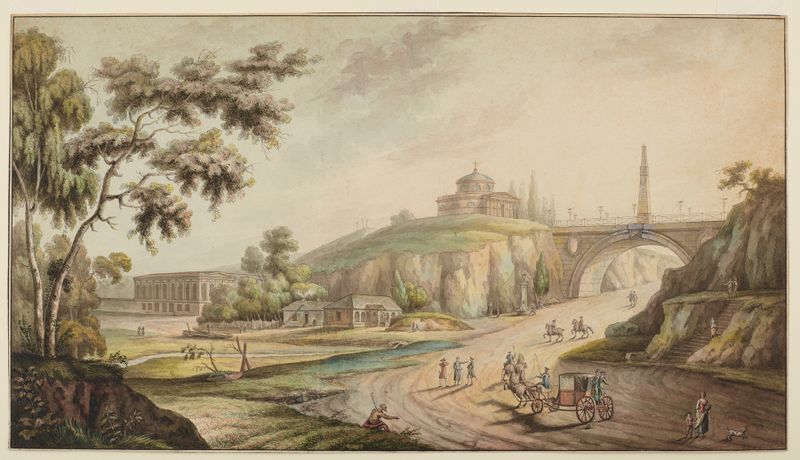
View of the Ujazdowski church
Zygmunt Vogel





