Bach im Winter — History & Facts
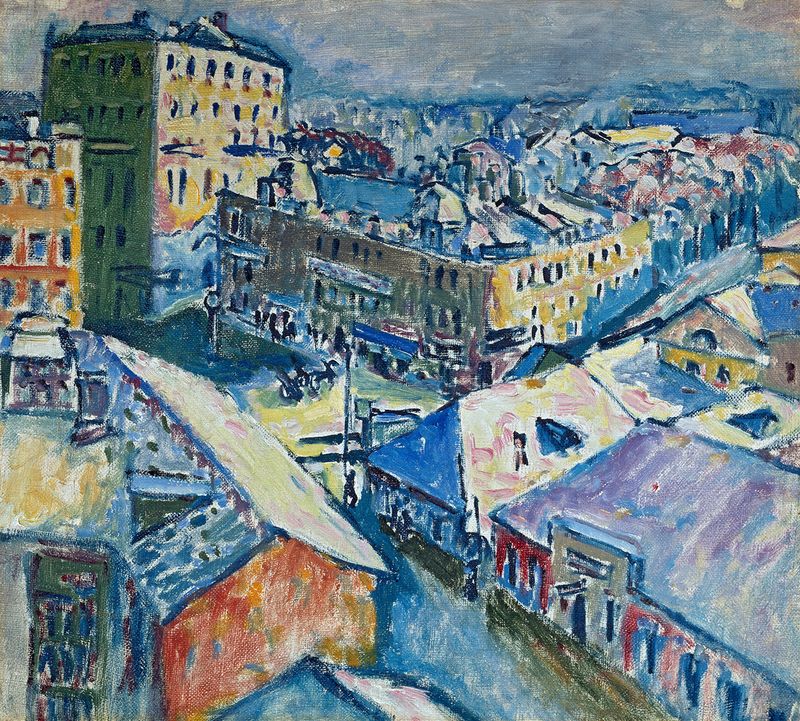
This sentiment whispers through the layers of the artwork, revealing truths hidden beneath the surface of creation. In this piece, the act of making transcends mere aesthetics, stirring a complex dialogue between beauty and struggle. Look to the swirling golden hues that envelop the canvas, where the warm tones bleed into cool blues and whites, creating a delicate balance. The interplay of light is mesmerizing; it dances across the textured surface, inviting you to linger longer.
Notice how the brushstrokes are both frenetic and intentional, echoing the chaos and harmony that often coexist within the creative process. This dynamic composition pulls the viewer's gaze across the canvas, urging a deeper contemplation of the contrasts at play. Beneath the surface, the painting reveals emotional tensions: the vibrancy of the gold suggests triumph, while the somber blues hint at underlying sorrow. It speaks to the artist's struggle, the exhilarating and exhausting journey of creation.
The juxtaposition of warmth and chill reflects the duality of inspiration—how it can both uplift and weigh down the soul. Each stroke tells a story of resilience, resonating with anyone who has faced the trials of bringing forth beauty from within. Sebastian Isepp painted this piece during a time when the art world was grappling with transitions and upheavals in style and form. Though the exact date remains unknown, he was active in the late 19th to early 20th century, a period marked by experimentation and the search for new artistic identities.
The ethos of creation reflected in Bach im Winter embodies a moment when artists sought to redefine their voices amid the shifting tides of modernity.