Baltic Sea Cliffs — History & Facts
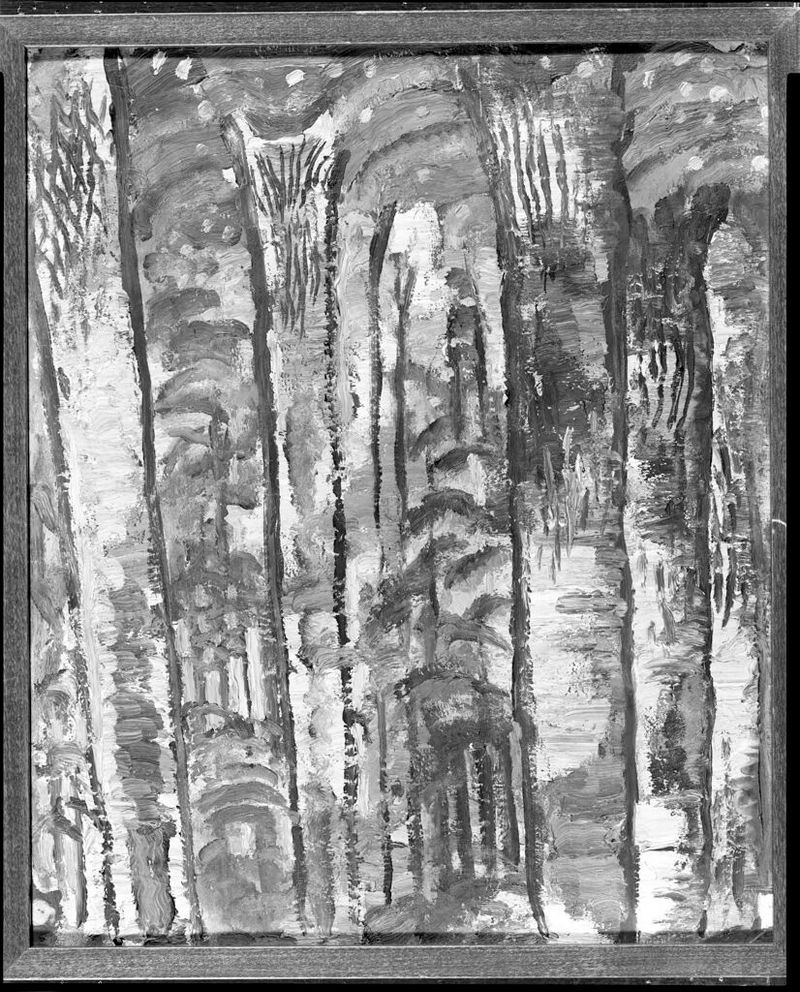
Can beauty exist without sorrow? In the shimmering stillness of Baltic Sea Cliffs, one might ponder this as waves whisper secrets to the shore. The cliffs rise dramatically, their rugged forms etched against a soft, melancholic sky, inviting contemplation and reverie. Look to the right at the interplay of light and shadow on the jagged rocks, where the sun's warmth brushes against the cool, muted tones of the ocean below. The careful layering of paint reveals textures that feel almost tangible; the artist’s technique captures both the grandeur and fragility of nature.
Notice how clouds, heavy with emotion, loom above, their hues shifting from stormy grays to gentle pastels, creating a sense of impending change. The cliffs, though magnificent, embody an inherent tension. Their towering presence suggests strength, yet the subtle variations in color evoke vulnerability, as if they too are subject to the relentless erosive forces of time. Each stroke whispers of history and loss, a reflection not only of the landscape but of the artist's own struggle with the transient nature of beauty and existence. In 1914, Johann Walter-Kurau painted Baltic Sea Cliffs during a time of great upheaval in Europe.
As the world teetered on the brink of war, his work reflects a longing for peace and stability amid chaos. With his roots in Estonia, he drew inspiration from the rugged coastal landscapes, weaving emotional depth into his depictions of nature, while the art world began to grapple with the changing tides of modernism.