
Bartolomeüs en Mattias — History & Facts
Could a single brushstroke hold eternity? In Bartolomeüs en Mattias, Hans Sebald Beham captures the essence of rebirth through meticulous detail and profound symbolism. Look closely at the figures, particularly the hands of Bartolomeüs and Mattias, poised in a moment of divine connection. Their gestures speak volumes, directing your attention to the intricate folds of their garments, which cascade like waves of time. The use of rich, muted colors creates a warmth that envelops the viewer, while the delicate interplay of light and shadow imbues the scene with both depth and intimacy.
Notice how the crimson drapery contrasts with the cool tones of their skin, emphasizing the sacred exchange and hinting at the spiritual fervor of their message. Across this work, there lies a profound tension between stillness and motion. The figures, though static, radiate a sense of anticipation, as if caught on the precipice of transformation. This duality reflects the broader themes of faith and renewal that permeated the Reformation period, where the act of witnessing became an invitation to rebirth.
The subtle expressions on their faces convey a transcendent hope, suggesting that each moment holds the possibility of divine revelation. In 1520, Beham was in Nuremberg, deeply engaged in the vibrant artistic currents of the time. The city was a burgeoning center for the arts, influenced by the Reformation's religious upheaval. Artists like Beham, associated with the Northern Renaissance, sought to merge sacred themes with human emotion, illustrating the profound spiritual transformations occurring in society.
This painting stands as a testament to his commitment to exploring the intersection of faith and artistry during such a transformative epoch.
More Artworks by Hans Sebald Beham
Browse all →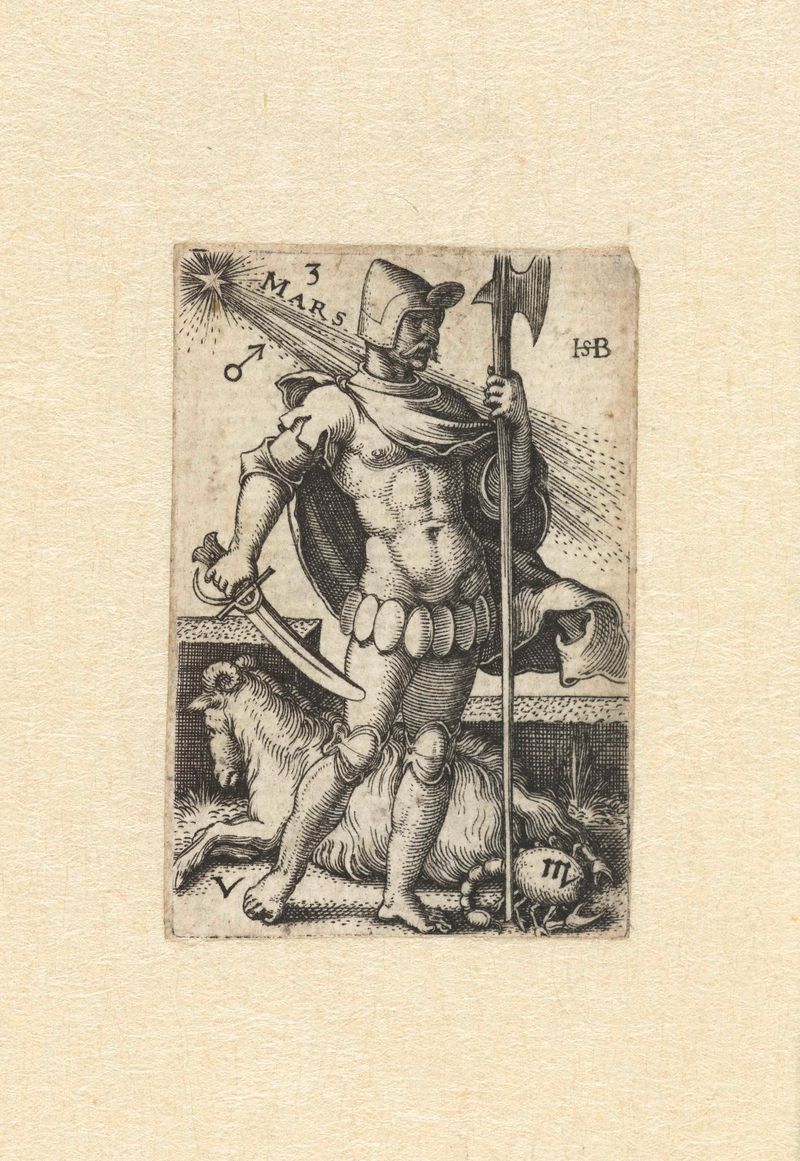
Mars met sterrenbeelden Ram en Schorpioen
Hans Sebald Beham

Achilles in gevecht met Hector
Hans Sebald Beham
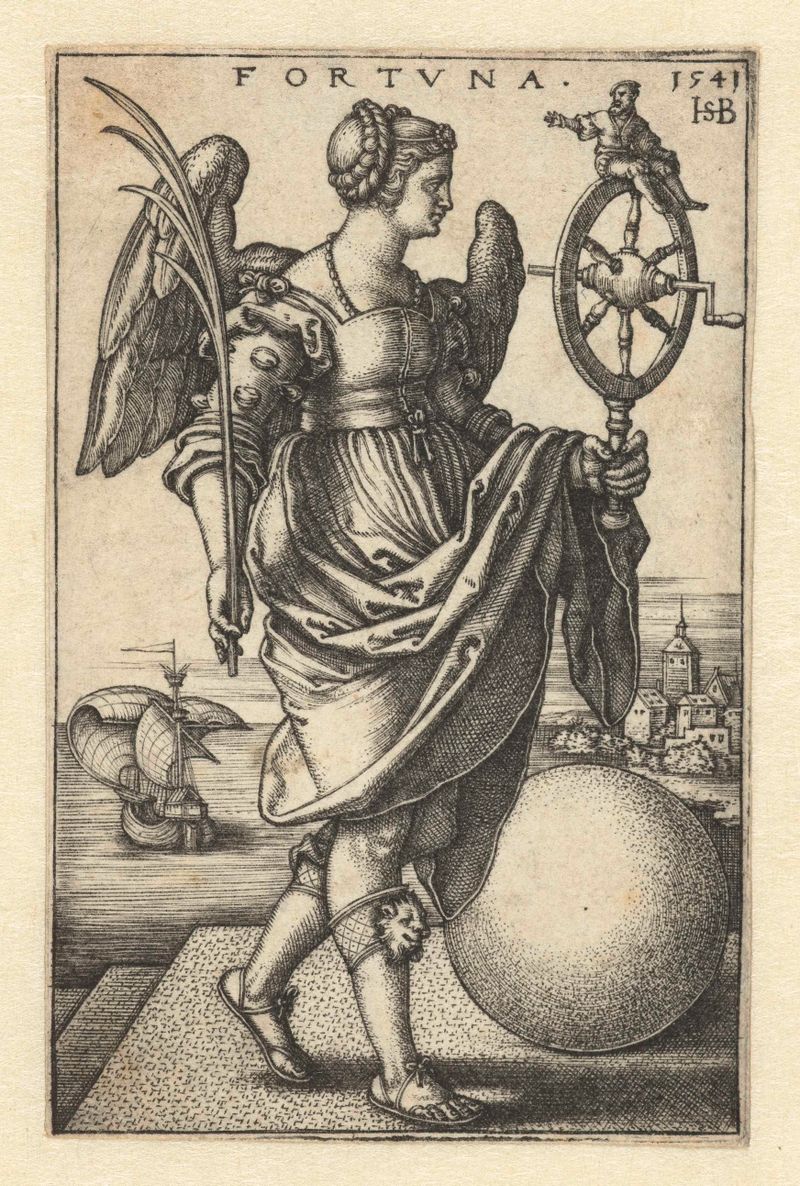
Fortuna
Hans Sebald Beham

Hercules worstelt met Antaeus
Hans Sebald Beham

Twee muzikanten met schalmey en doedelzak
Hans Sebald Beham

Voorzichtigheid (Prudentia)
Hans Sebald Beham

Hercules in gevecht met de Trojanen
Hans Sebald Beham
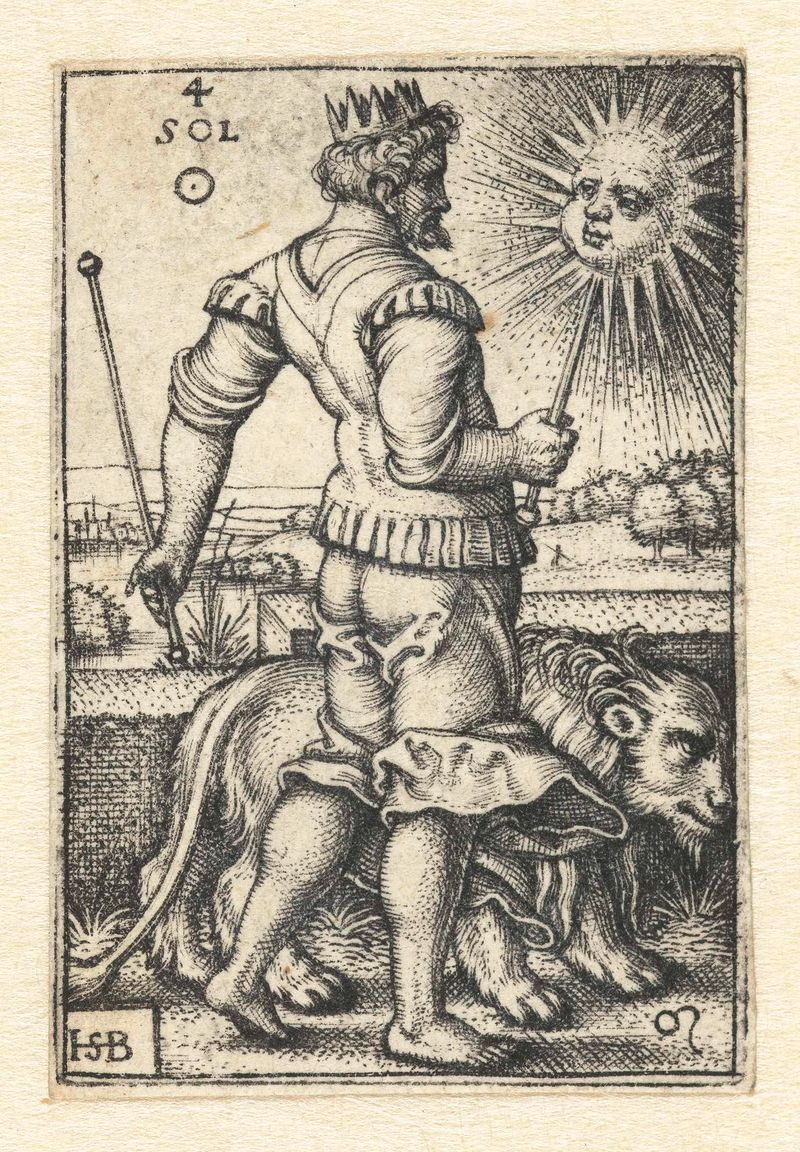
Apollo (Sol) met sterrenbeeld Leeuw
Hans Sebald Beham
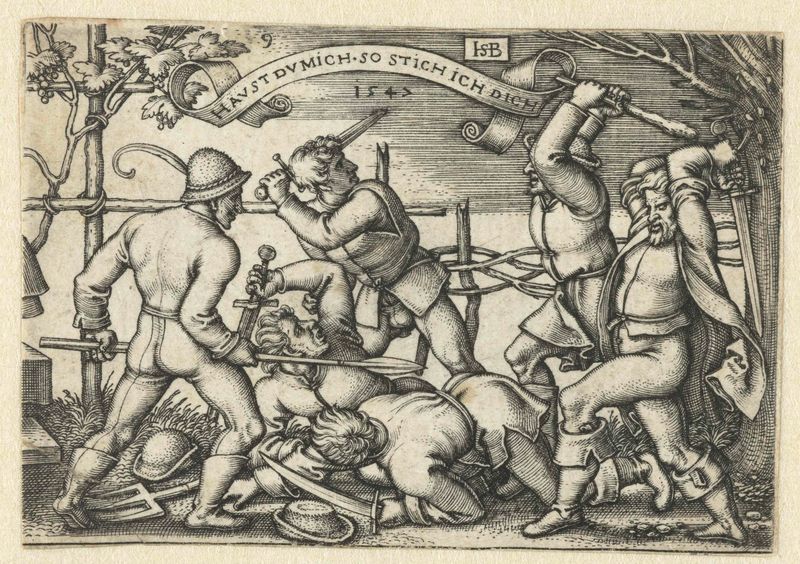
Vechtende boeren met zwaarden
Hans Sebald Beham
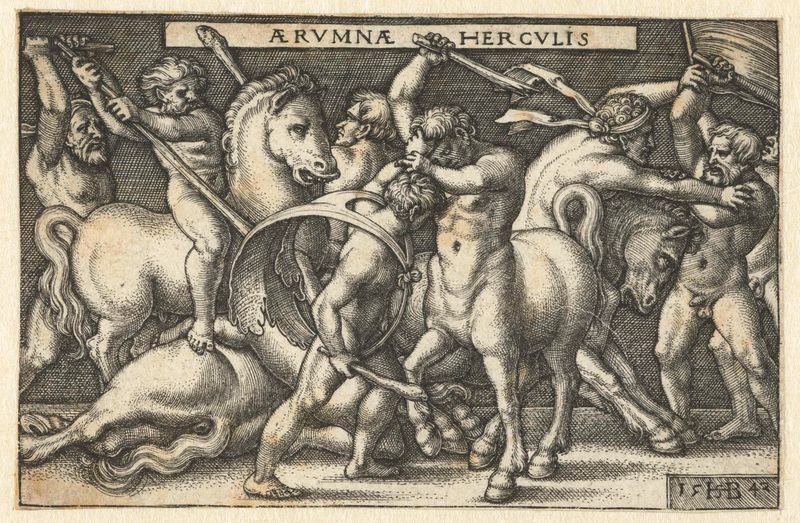
Hercules in gevecht met centaurs
Hans Sebald Beham
More Religious Art
Browse all →
The Return of the Prodigal Son
Rembrandt van Rijn

The Garden of Earthly Delights
El Bosco

Count Orgaz’ funeral
El Greco

The Hundred Guilder Print: the central piece with Christ preaching, the plate arched
Rembrandt van Rijn

The Descent from the Cross
Rogier van der Weyden

The return of the prodigal son
Rembrandt van Rijn