
Battistero di San Marco — History & Facts
When did color learn to lie? In the realm of art, beauty often dances on the edge of truth, whispering secrets that beckon the soul to listen. To appreciate the depth of this work, look at the mosaic-like brilliance of hues that envelop the scene. Notice how the warm golds and deep blues dominate the canvas, drawing your eye toward the exquisite details of the architecture. The intricate patterns and the play of light create a sense of sacred space, inviting contemplation.
Each brushstroke seems deliberate, as if the artist meticulously constructed a world where every color contributes to an overarching narrative. Hidden within this beauty lies a subtle tension. The juxtaposition of vibrant colors against the starkness of the architectural lines suggests a conversation between nature and humanity. The fleeting moments of sunlight filtering through the structures evoke feelings of hope and spirituality, while the rigid geometry serves as a reminder of man’s attempt to capture the divine.
Such contrasts raise questions about our relationship with beauty—whether it is an illusion or a glimpse of something more profound. During the time this artwork was created, Brandeis found herself surrounded by a rich tapestry of artistic influences in late 19th-century Italy. The revival of interest in historical styles was paramount, and she was part of a movement that sought to blend tradition with modern sensibilities. With Venice as her backdrop, she navigated a world filled with changing artistic paradigms and cultural richness, reflecting both the beauty and complexity of her environment in her works, including this one.
More Artworks by Antonietta Brandeis
Browse all →
St Mark’s, Venice
Antonietta Brandeis

Venice, a View of Ponte de la Calcina on Rio di San Vio
Antonietta Brandeis
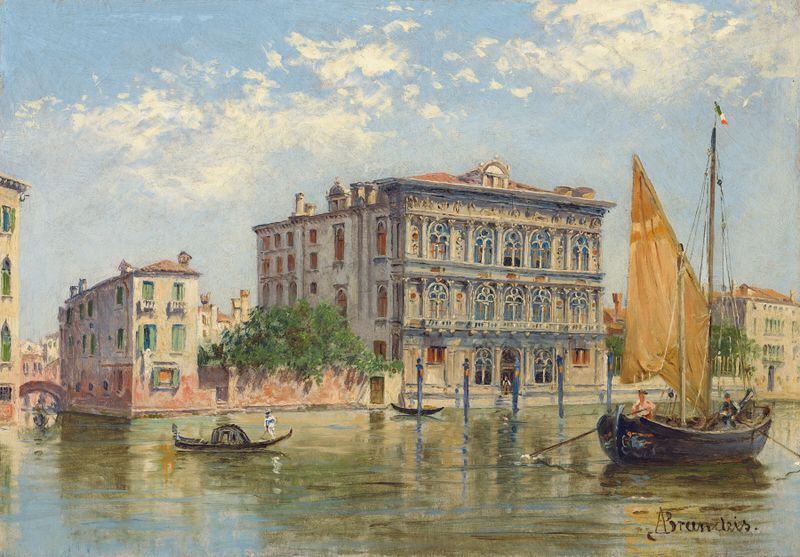
Ca’ Vendramin Calergi from the Grand Canal, Venice
Antonietta Brandeis
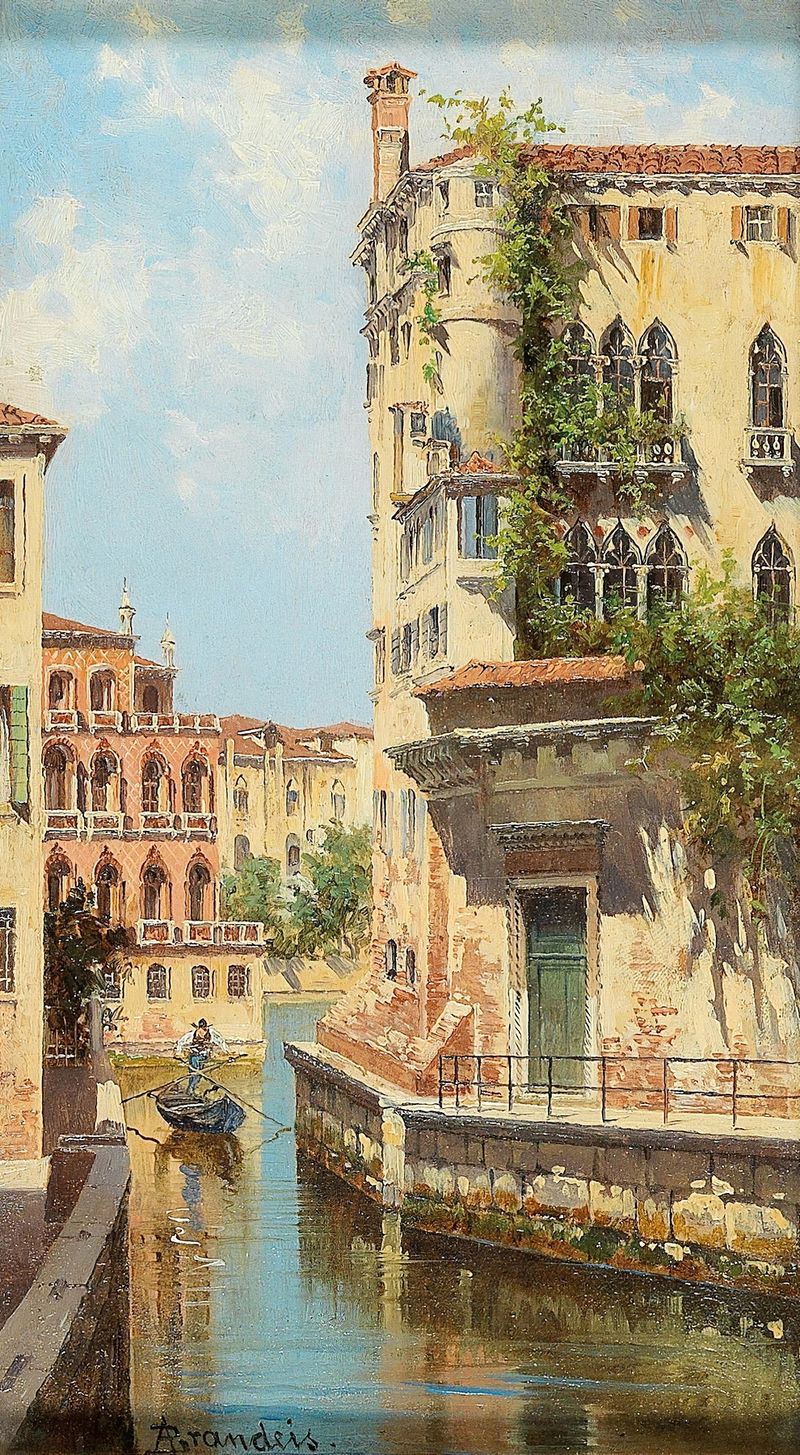
Canal In Venice With View Of The Back Of The Palazzo Rocca
Antonietta Brandeis
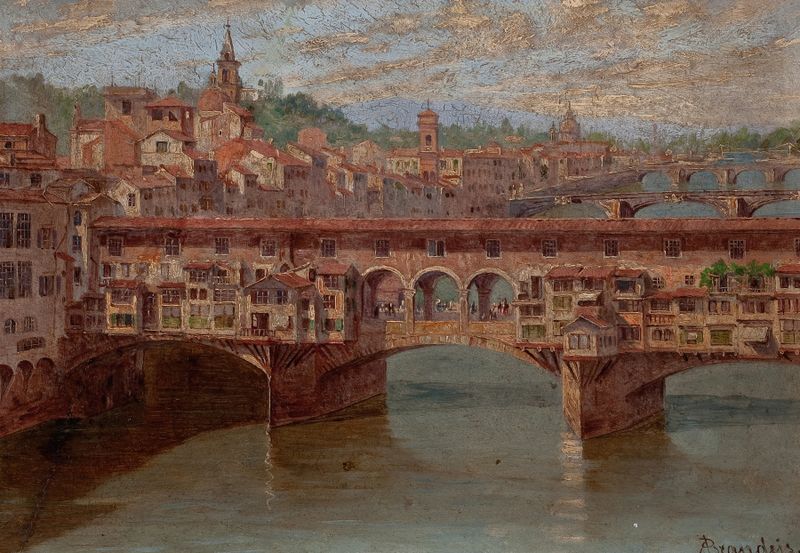
Ponte Vecchio, Florence
Antonietta Brandeis

The Grand Canal, Venice
Antonietta Brandeis
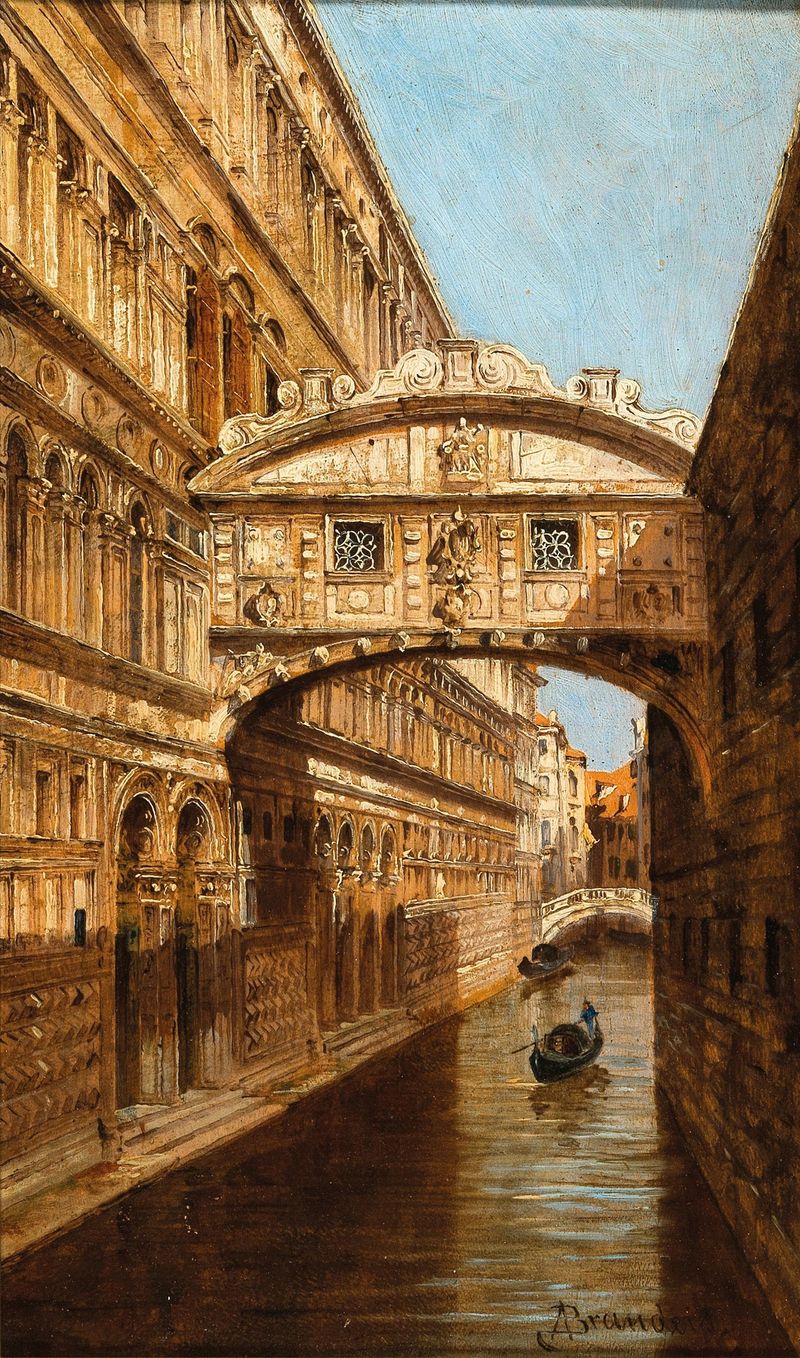
Venice, Le ponte dei Sospiri, Venezia
Antonietta Brandeis
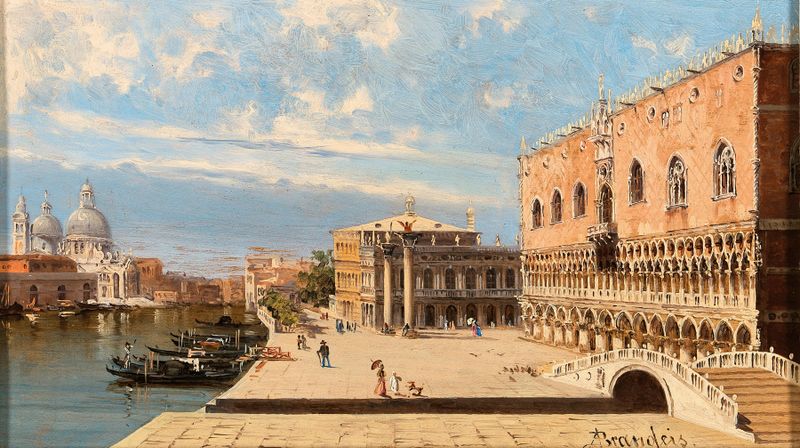
Il Palazzo Ducale Venezia
Antonietta Brandeis
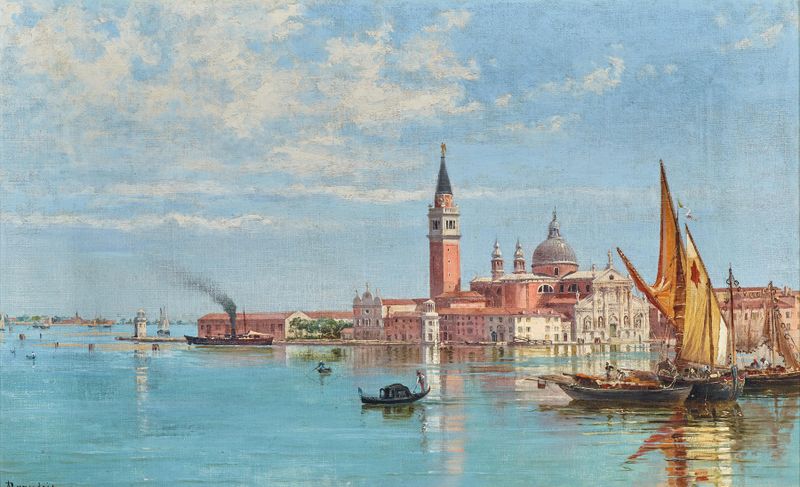
Venice, a View of San Giorgio Maggiore
Antonietta Brandeis
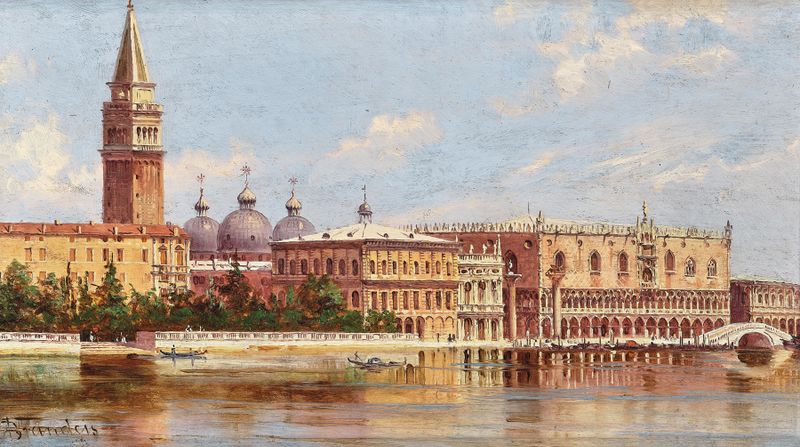
Venice, a View of the Bacino di San Marco
Antonietta Brandeis
More Architecture Art
Browse all →
The statue of Liberty
Frédéric Auguste Bartholdi

View of Houses in Delft, Known as ‘The Little Street’
Johannes Vermeer

View of Houses in Delft, Known as ‘The Little Street’
Johannes Vermeer

The Cathedral in Rouen. The portal, Grey Weather
Claude Monet

The yellow house
Vincent van Gogh

The Church in Auvers-sur-Oise, View from the Chevet
Vincent van Gogh