
Baumgruppe im Park — History & Facts
Can paint confess what words never could? In the subtle, decaying whispers of Baumgruppe im Park, the essence of time hangs in the air, speaking of both beauty and transience. Look to the left at the gnarled trunks of the trees, their twisted branches stretching upward. The light filters through the leaves, creating a delicate interplay of shadows on the soft ground below. Pay attention to the muted palette, where earthy browns and soft greens dominate, evoking a nostalgic sense of decay.
Each brushstroke reflects not only the trees' physical reality but also their emotional weight, transforming a simple park scene into a meditation on the passage of time. Delve deeper into the painting and notice the contrast between the vibrant foliage and the fading, weathered bark. This juxtaposition speaks to the cycle of life, where vitality is intertwined with decay. The artist’s choice to spotlight the trees emphasizes their resilience amidst change, inviting viewers to reflect on their own experiences of loss and renewal.
Every detail, from the soft edges of the leaves to the rough texture of the trunk, serves as a reminder that beauty often coexists with impermanence. Friedrich Loos created this work during a period when the art world was navigating the transition from Romanticism to more abstract expressions. Working in Germany in the early 20th century, he found inspiration in nature, crafting pieces that resonated with both personal and collective histories. In Baumgruppe im Park, he captures not just a moment, but a sentiment—a poignant reflection on the inevitability of change.
More Artworks by Friedrich Loos
Browse all →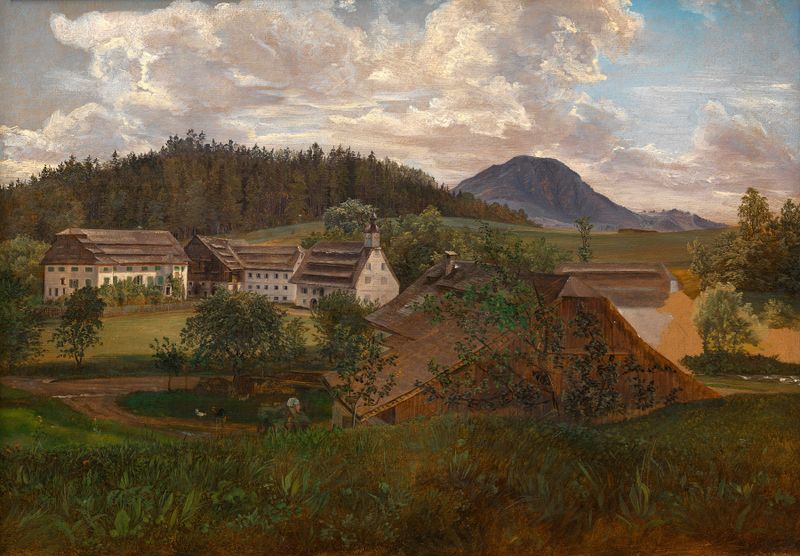
Salzburgische Landschaft mit Gutshof
Friedrich Loos
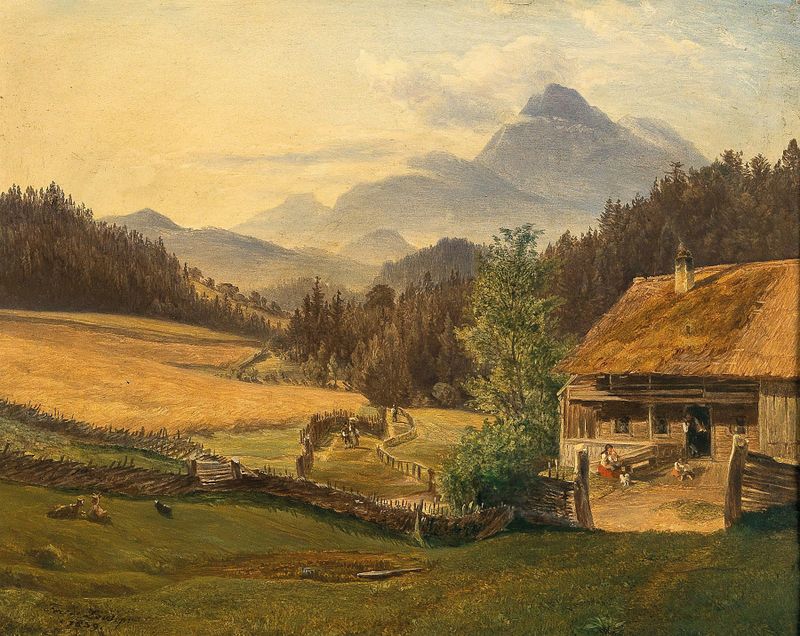
Summer landscape in the mountains
Friedrich Loos
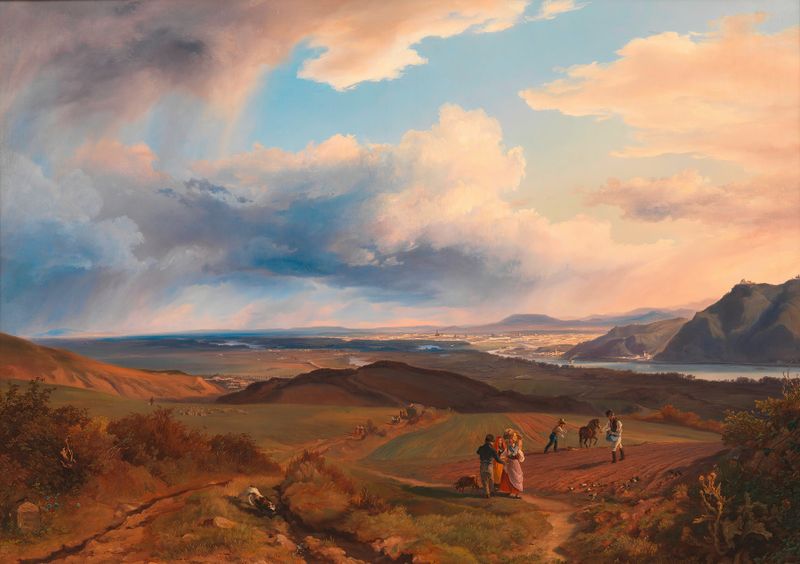
Blick auf Wien vom Bisamberg
Friedrich Loos
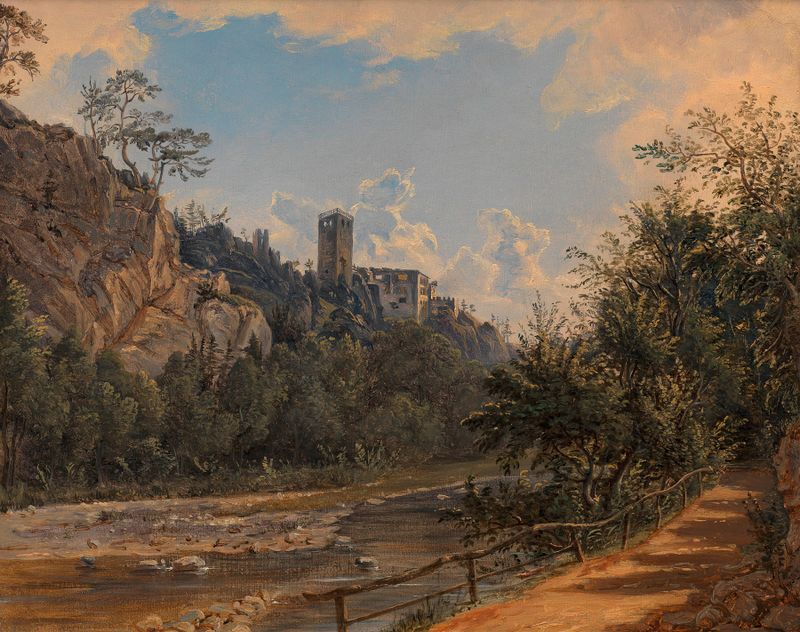
Ruine Rauhenstein bei Baden
Friedrich Loos

Die Ramsau bei Berchtesgaden
Friedrich Loos
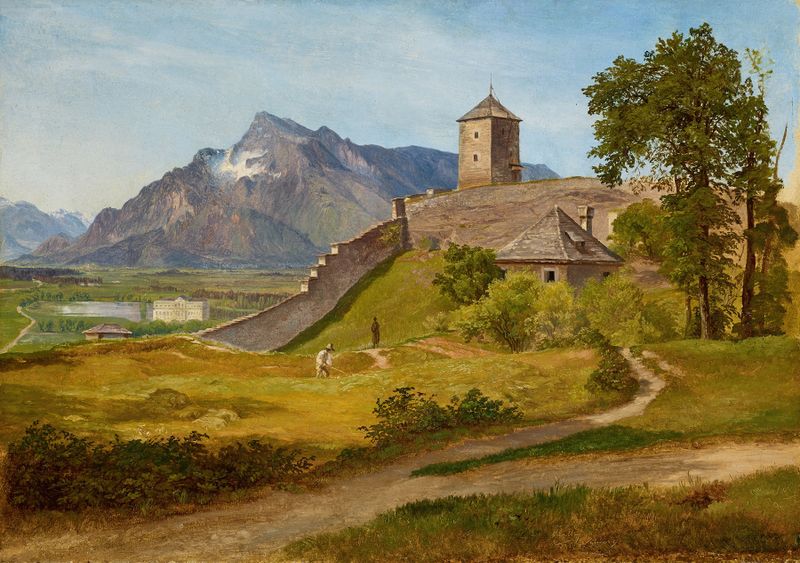
Das Militärwachthaus und der Josefsturm auf dem Salzburger Mönchsberg
Friedrich Loos
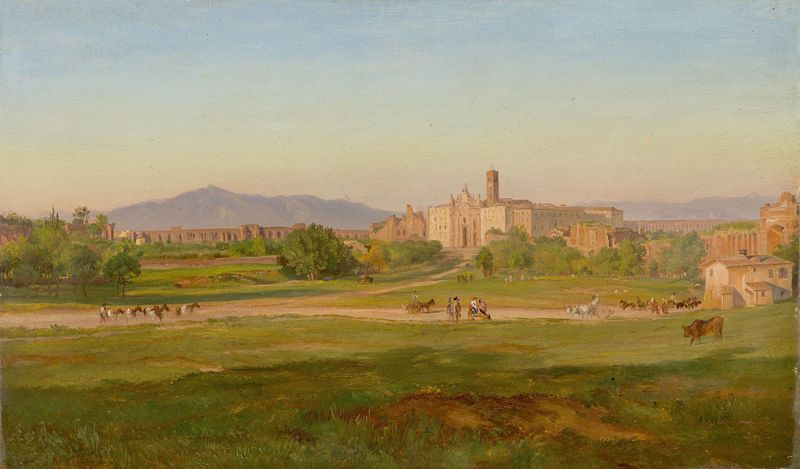
Blick auf die Basilica di Santa Croce in Gerusalemme (Rom)
Friedrich Loos

Monte Cavo bei Albano
Friedrich Loos

Der Mönchsberg in Salzburg mit dem Josefsturm
Friedrich Loos

Harvest near Rust on Lake Neusiedl
Friedrich Loos





