Baumstumpf am mit Tannen bewachsenem Abhang — History & Facts
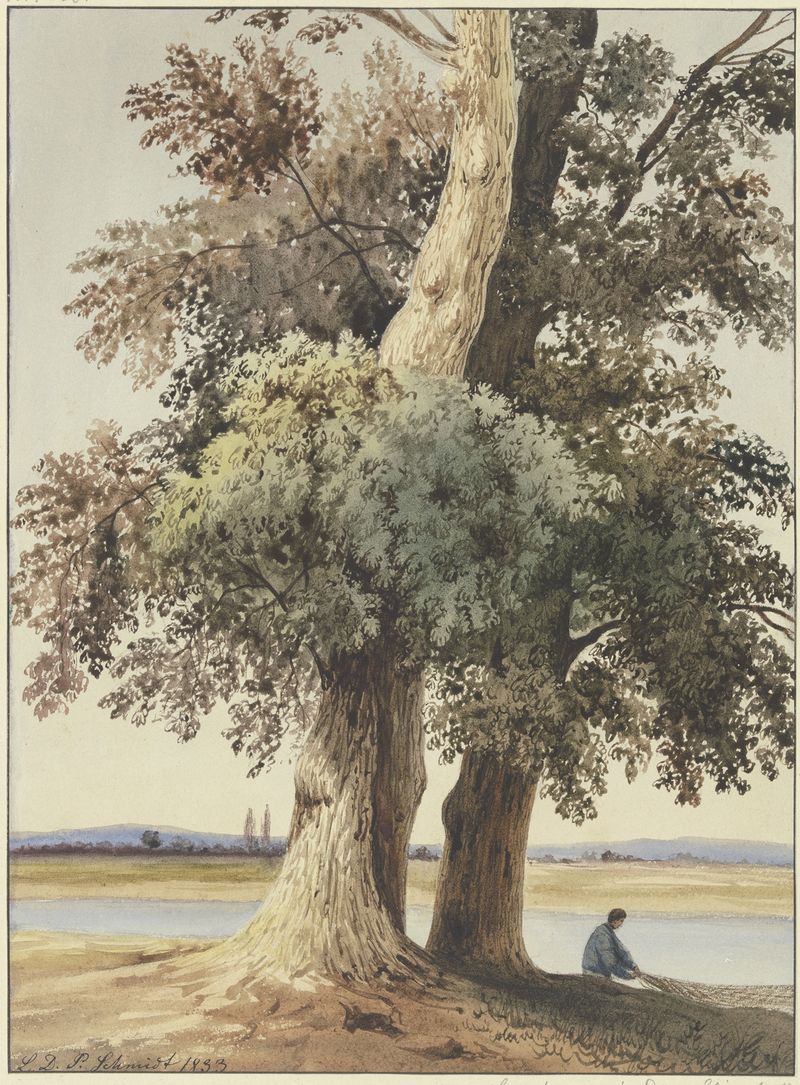
Could beauty survive in a century of chaos? Within the quiet of a forest, where life and decay intertwine, the question resonates deeply, echoing through the ages. Look to the left at the weathered tree stump, its rough texture contrasting with the soft, verdant backdrop of fir trees. The artist’s brushwork captures the intricate details of the bark and moss, inviting the eye to wander. Notice how the dappled sunlight filters through the branches, illuminating patches of the forest floor, creating a serene interplay of light and shadow that enhances the sense of stillness. As you explore further, consider the symbolism of the stump: a remnant of life that once thrived.
It embodies mortality, a silent witness to the passage of time, juxtaposed with the surrounding thirty greenery that hints at renewal and resilience. This duality speaks to the cycle of existence, where beauty is found in both life and decay, urging us to embrace the transient nature of our surroundings. In 1833, while the world outside was swept by social upheaval and the beginnings of modernity, the artist found solace in nature. Living in a time when Romanticism flourished, he sought to capture the profound connection between humanity and the natural world.
This piece reflects both the idyllic landscapes of his homeland and the deeper philosophical inquiries of an era that grappled with change and the fragility of existence.