
Beboste kust van een meer — History & Facts
In the enchanting realm of art, illusion often wears the most seductive cloak. How does one navigate the thin line between reality and appearance, where every brushstroke tempts the eye into a world of the ethereal? Look closely at the delicate interplay of light and shadow in Beboste kust van een meer. The glimmering reflections on the water immediately draw the viewer's gaze, each ripple dancing under the sun's caress.
Notice how the lush greens and earthy browns envelop the canvas, creating a sense of harmony and tranquility while the vibrant, almost otherworldly blues pulsate with life. The meticulous details whisper the artist's intention to conjure a serene escape, yet there’s an underlying tension that beckons further exploration. This scene, while tranquil on the surface, reveals a deeper contrast between the idyllic setting and the emotional weight it carries. The gentle waves suggest movement, yet the stillness invites contemplation—reminding us of nature's beauty, yet evoking the melancholy of impermanence.
The viewer is caught in the illusion of serenity, while the subtle tension beneath the surface hints at a narrative of longing, reflection, and the passage of time. Julius Jacobus van de Sande Bakhuyzen created Beboste kust van een meer between 1845 and 1925, a period marked by his profound engagement with Dutch landscape painting. Living in a time of shifting artistic styles, he embraced naturalism while subtly infusing his works with emotional resonance. His focus on the interplay of light in nature captures the essence of his era, reflecting both personal introspection and the broader trends of the art world as it evolved through the late 19th and early 20th centuries.
More Artworks by Julius Jacobus van de Sande Bakhuyzen
Browse all →
Bomen zich spiegelend in het water bij een bewolkte lucht
Julius Jacobus van de Sande Bakhuyzen

Koe grazend in een weide
Julius Jacobus van de Sande Bakhuyzen
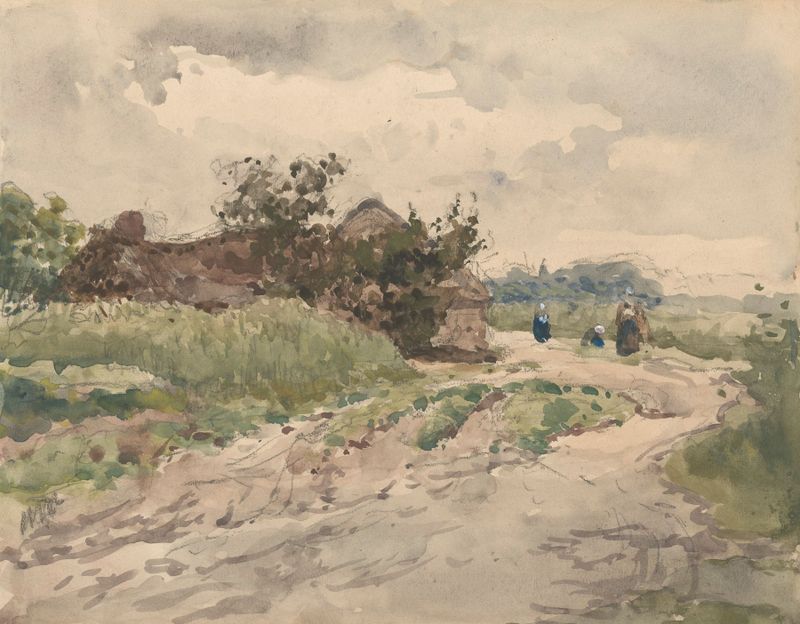
Landweg met enkele figuren, leidend naar een boerderij
Julius Jacobus van de Sande Bakhuyzen

Tropisch kustlandschap
Julius Jacobus van de Sande Bakhuyzen
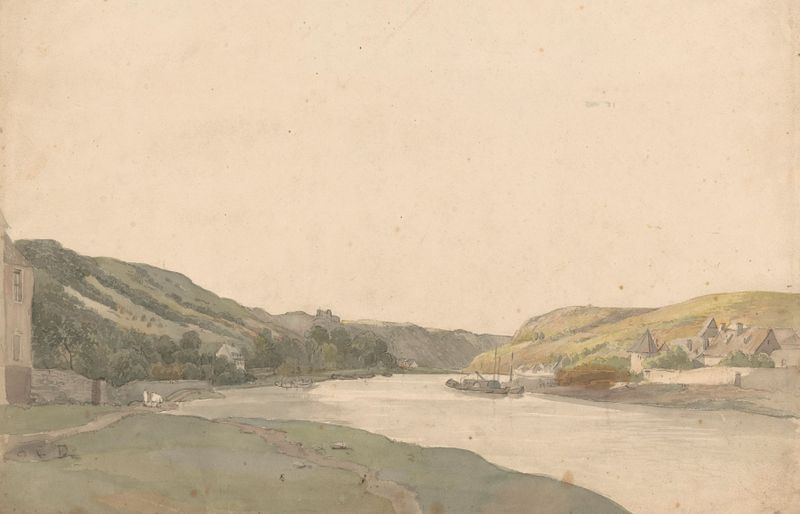
Gezicht op de Maas
Julius Jacobus van de Sande Bakhuyzen
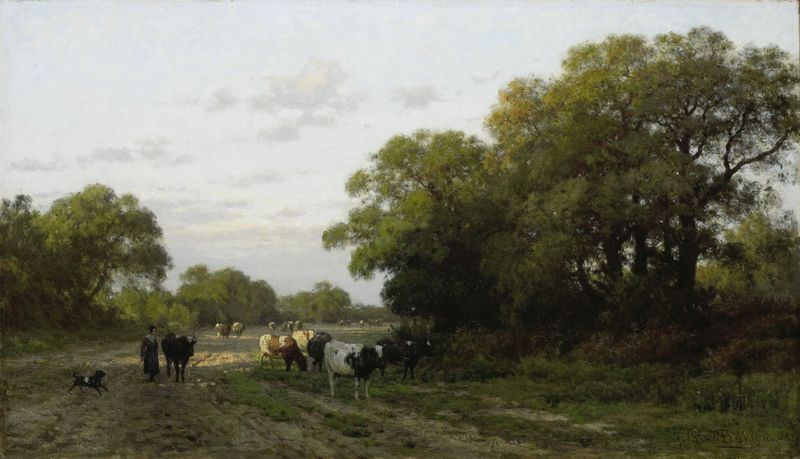
Landschap in Drenthe
Julius Jacobus van de Sande Bakhuyzen

Boerderij onder hoge bomen met water op de voorgrond
Julius Jacobus van de Sande Bakhuyzen
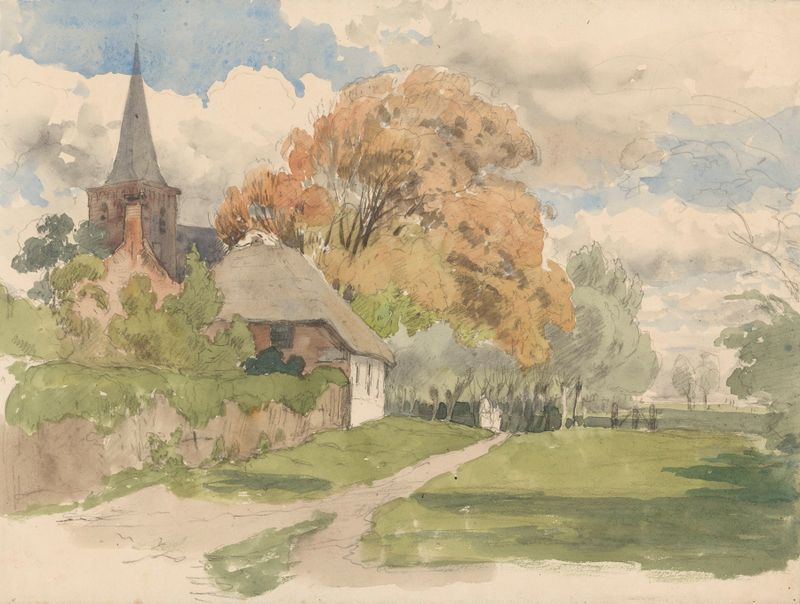
Erf bij een dorpskerk
Julius Jacobus van de Sande Bakhuyzen
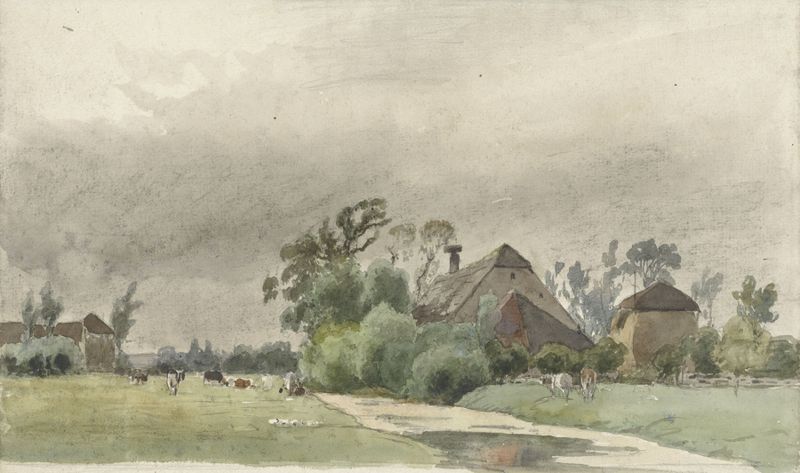
Vaart leidend naar een boerderij
Julius Jacobus van de Sande Bakhuyzen
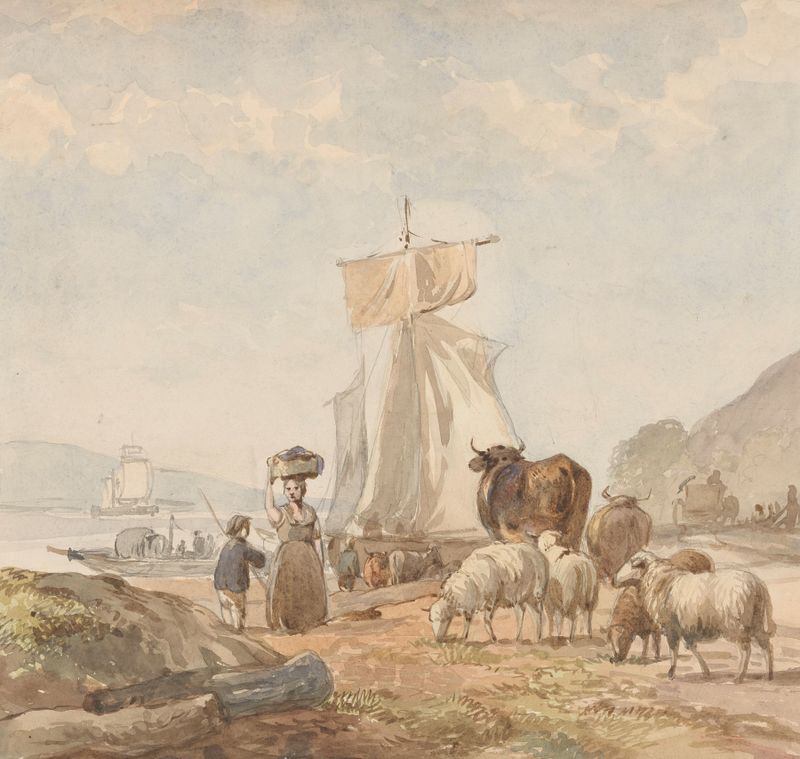
Figuren met vee bij rivieroever met veerboot
Julius Jacobus van de Sande Bakhuyzen





