
Vaart leidend naar een boerderij — History & Facts
Could beauty survive in a century of chaos? In Vaart leidend naar een boerderij, the essence of pastoral tranquility stands defiantly against the backdrop of an ever-changing world. Look to the left where a narrow waterway draws the viewer's eye towards the horizon. The gentle curve of the canal, masterfully rendered, creates a sense of movement, inviting us to follow its path to the inviting farmhouse nestled amid lush greenery. Notice how the play of light dances on the water's surface, casting soft reflections that mimic the clouds above, creating a serene dialogue between earth and sky.
The color palette, enveloped in earthy greens and warm, muted yellows, evokes a sense of harmony, grounding the scene in a timeless moment. In the subtle details, one can find deeper meanings: the solitary figure tending to the land signifies man's enduring connection to nature, while the expansive sky hints at the limitless potential that lies beyond the idyllic farmstead. The contrast between the tranquil water and the distant horizon suggests a tension between the familiarity of the present and the uncertainties of time, reminding us of nature's constancy amid human strife. Created between 1845 and 1925, during a period marked by industrialization and social change in the Netherlands, the artist captured a fleeting glimpse of rural life that stood in stark contrast to rapid urbanization. In this work, he melded the traditions of Dutch landscape painting with a personal touch, reflecting his own experiences as he navigated through a century rife with challenges that shaped both his art and the world around him.
More Artworks by Julius Jacobus van de Sande Bakhuyzen
Browse all →
Bomen zich spiegelend in het water bij een bewolkte lucht
Julius Jacobus van de Sande Bakhuyzen

Koe grazend in een weide
Julius Jacobus van de Sande Bakhuyzen
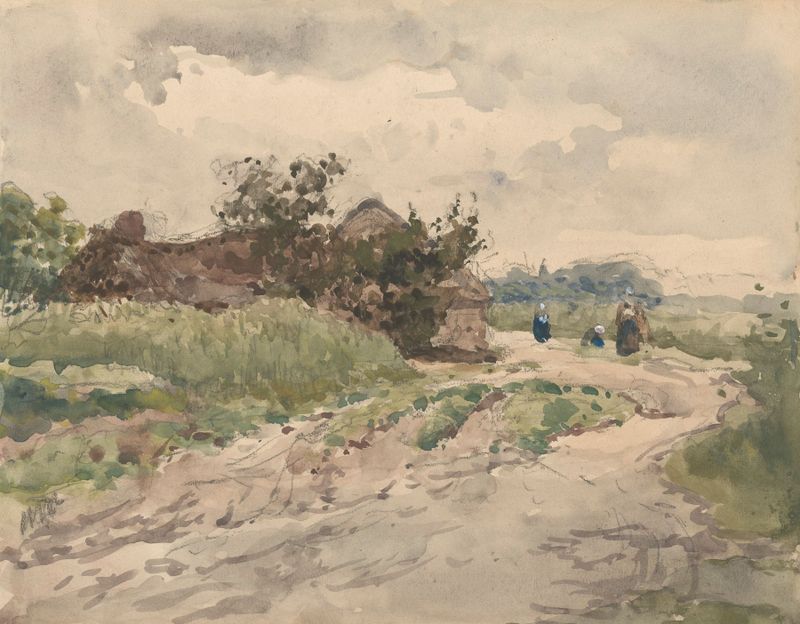
Landweg met enkele figuren, leidend naar een boerderij
Julius Jacobus van de Sande Bakhuyzen

Tropisch kustlandschap
Julius Jacobus van de Sande Bakhuyzen
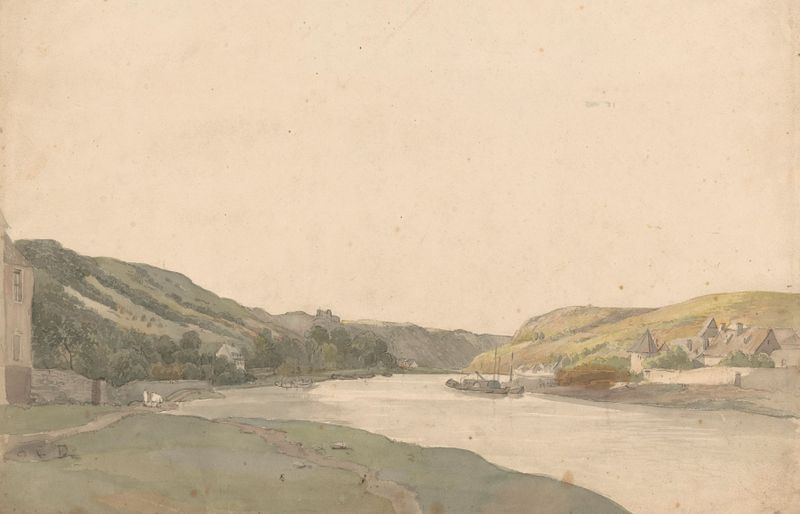
Gezicht op de Maas
Julius Jacobus van de Sande Bakhuyzen
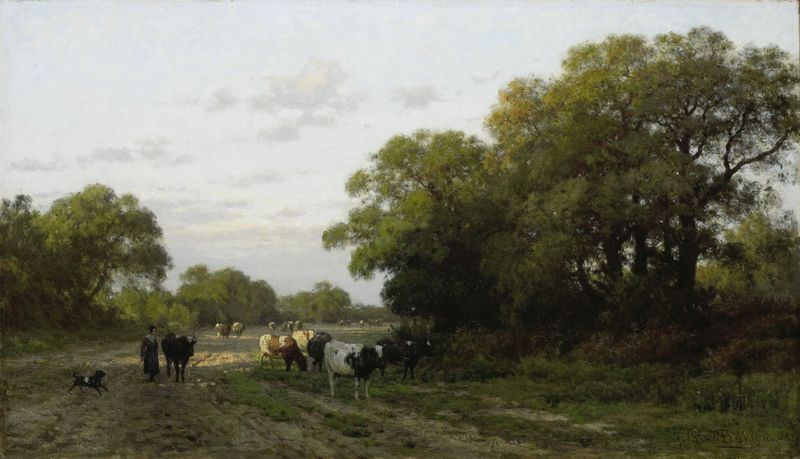
Landschap in Drenthe
Julius Jacobus van de Sande Bakhuyzen

Beboste kust van een meer
Julius Jacobus van de Sande Bakhuyzen

Boerderij onder hoge bomen met water op de voorgrond
Julius Jacobus van de Sande Bakhuyzen
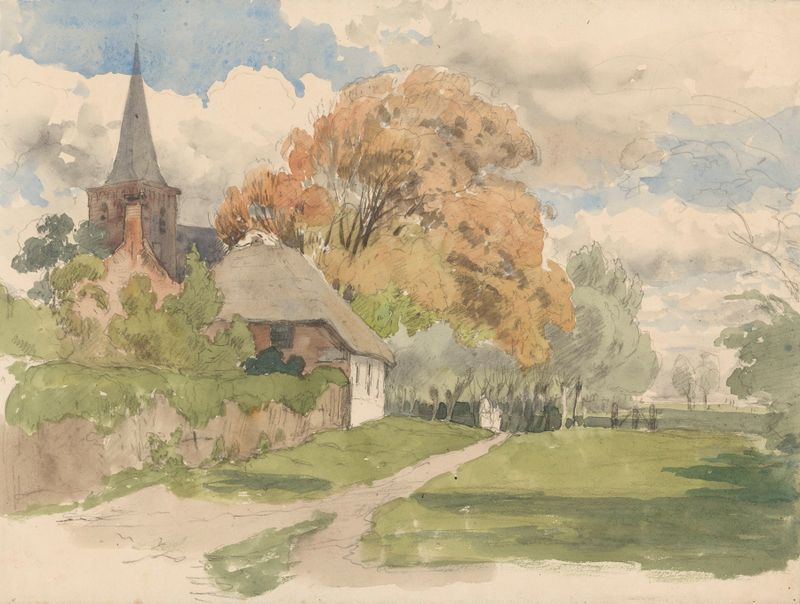
Erf bij een dorpskerk
Julius Jacobus van de Sande Bakhuyzen
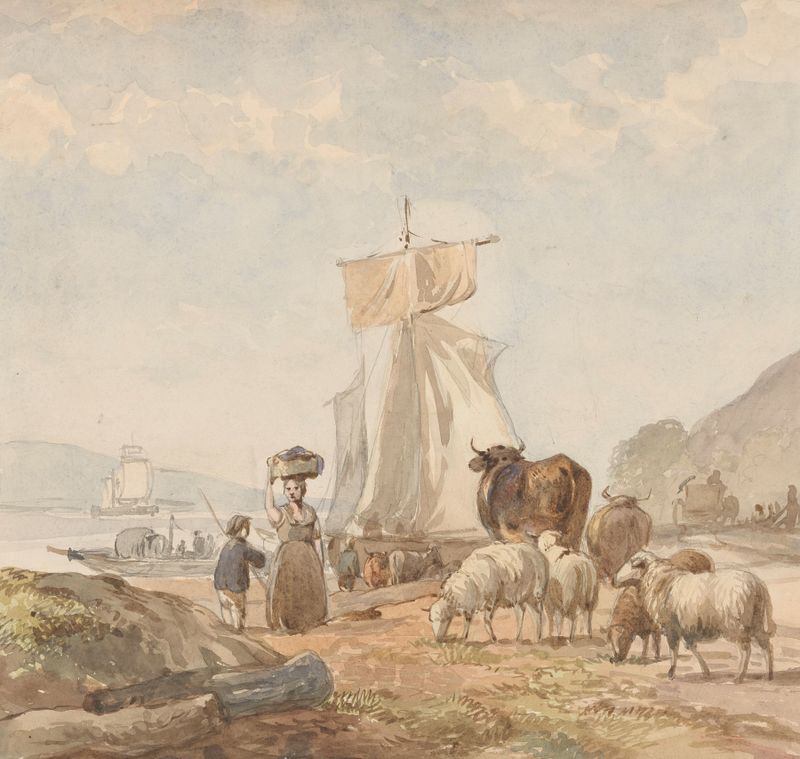
Figuren met vee bij rivieroever met veerboot
Julius Jacobus van de Sande Bakhuyzen





