Begrafenis in een gefantaseerd klassicistisch interieur — History & Facts
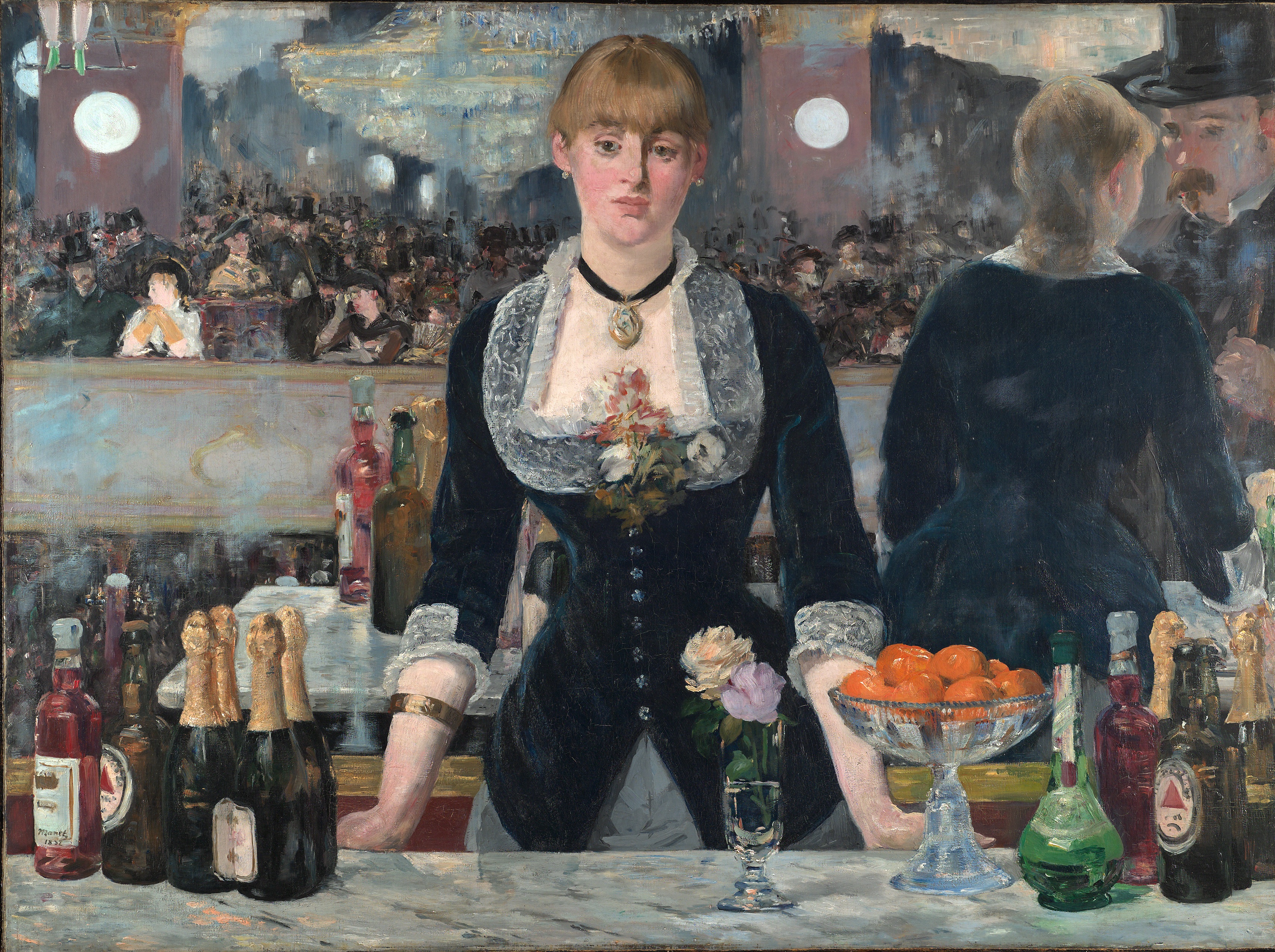
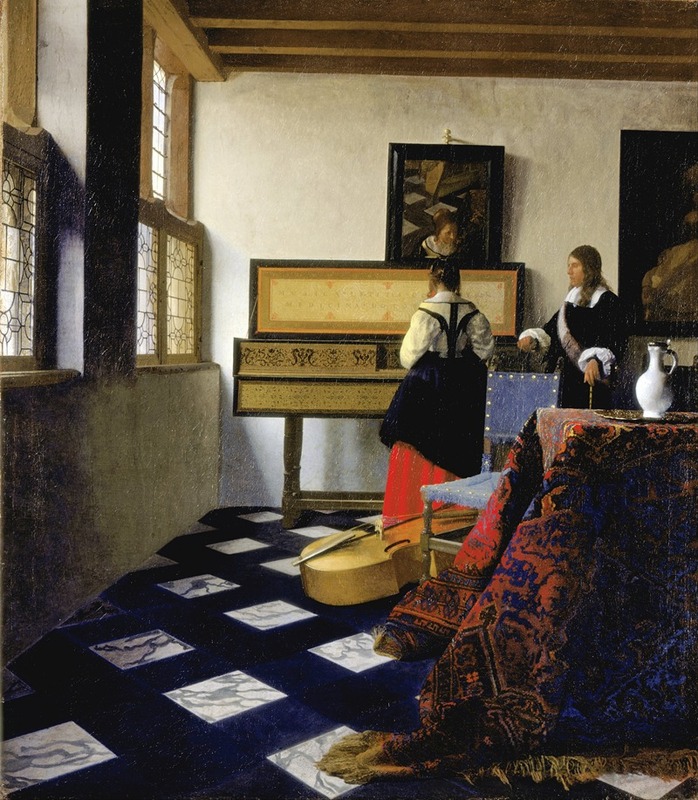
When did color learn to lie? This question hangs in the air like a whisper, echoing through the somber elegance of a burial scene enveloped in a fantastical classical interior. Look to the left at the stark contrast between the white marble, which gleams with a deceptive purity, and the muted earth tones that cloak the mourners in a somber shroud of grief. The ornate details of the architecture frame the sorrowful tableau, drawing the viewer into a world where beauty masks the violence of loss. Notice how the light filters through the arched windows, casting long shadows that creep across the ground, accentuating the tension between life’s fleeting brilliance and the finality of death. As your gaze wanders, let it linger on the mourners' expressions, which capture a profound array of emotions—from despair to indifference.
Here, the juxtaposition of the grand setting against the rawness of grief suggests an unsettling dichotomy: the celebration of life enveloped by the inevitability of demise. Each figure’s posture communicates unspoken narratives; some lean forward in mourning, while others seem disconnected, absorbed in their own thoughts, forming an emotional web of conflict that binds them together yet keeps them apart. Jacques François Blondel painted this work during a period of relative tranquility in France, around the mid-18th century, a time when the art world was increasingly embracing the Rococo style. Yet, beneath the surface of this flourishing artistic movement, societal tensions simmered—class disparities and the specter of mortality loomed large, influencing his approach to the representation of such poignant scenes.