Bei den Kaisermühlen in Wien — History & Facts
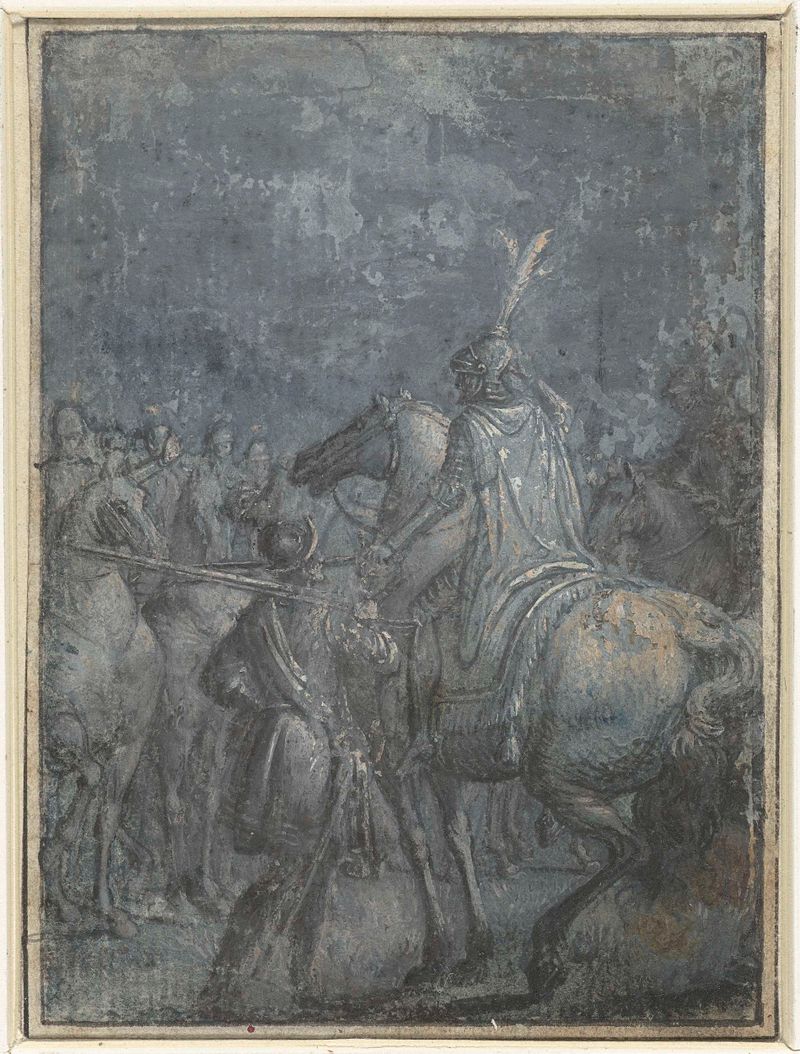
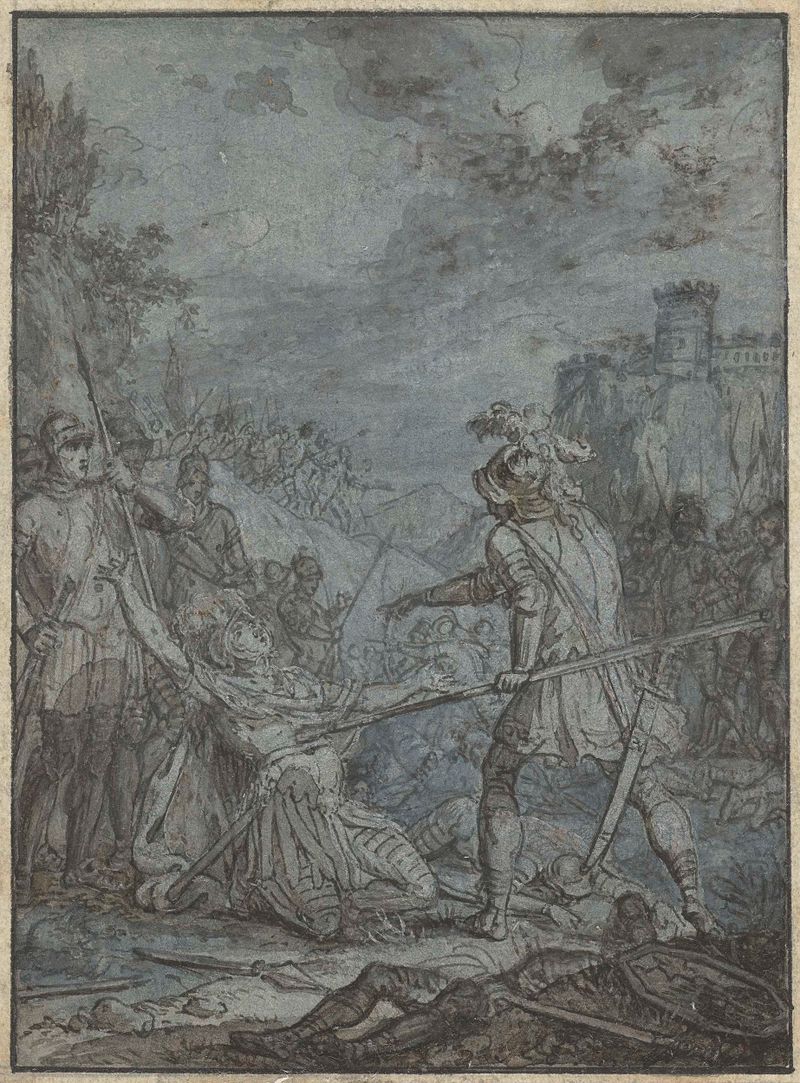
This thought reverberates in the stillness of Bei den Kaisermühlen in Wien, where shimmering light graces a poignant truth. Focus on the tranquil waters of the Danube as they reflect the soft hues of dawn, a mirror capturing both sky and land. Look closely at the figures along the riverbanks, their postures suggestive of unspoken narratives — deep contemplation, perhaps, as they engage with the serene environment. The brushwork is delicate, with subtle variations in color blending harmoniously, evoking a sense of calm yet layered with tension.
This is not merely a landscape; it is a canvas that breathes life, each stroke revealing the historical weight of the moment. The juxtaposition of the tranquil scene and the figures hints at deeper emotional currents. The lush greenery suggests fertility and hope, while the distant buildings whisper of a changing world. Each character contributes to the narrative, their positioning hinting at isolation amid shared space, underscoring a universal longing and the human condition's fragility.
The light, warm yet fleeting, encapsulates the transient nature of beauty, reinforcing that what we see often masks deeper truths. In 1840, Joseph Werner painted this piece in Vienna, a city then on the cusp of modernity. The socio-political landscape was shifting, as the ideals of the Enlightenment clashed with the traditional values of the Habsburg Empire. It was a time of reflection for the artist, marked by a growing awareness of the weight of history and the complexities of human experience, which he masterfully encapsulated in this serene yet evocative scene.