
Overgave van een legeraanvoerder — History & Facts
Who listens when art speaks of silence? In Overgave van een legeraanvoerder, a poignant moment unfolds, stirring thoughts of madness and surrender. The stillness in the air echoes the weight of defeat, inviting viewers to delve into the depths of the human psyche. Focus first on the forlorn figure of the commander, positioned centrally within the composition, draped in somber tones. Notice how the muted earth colors contrast with the glimmers of light catching the edges of his armor, illuminating his despair.
The dramatic chiaroscuro encapsulates both the weight of his burden and the intensity of the moment, drawing the eye to the weariness etched into his expression and posture. Surrounding him, soldiers linger in varying states of acceptance and sorrow, their bodies wordlessly narrating the tale of a fallen leader. The emotional tension within this artwork reveals profound contrasts. The commander’s defiance in his stance clashes with the visible anguish on his face, embodying the chaos of a leader wrestling with madness in defeat.
The subdued palette accentuates the overarching theme of despair, while glimmers of light hint at fleeting hope or redemption, suggesting that within madness lies an inherent search for meaning. Each soldier’s gaze, a mixture of admiration and pity, further complicates the narrative, as they grapple with their loyalty to a broken leader. Joseph Werner painted this piece in the late 17th century, during a tumultuous period in Europe marked by political and military upheaval. The artist was known for his historical scenes and portraiture, often capturing complex human emotions.
This work reflects Werner’s keen insights into the fragility of power and the psychological dimensions of conflict, resonating deeply within the broader landscape of Baroque art.
More Artworks by Joseph Werner
Browse all →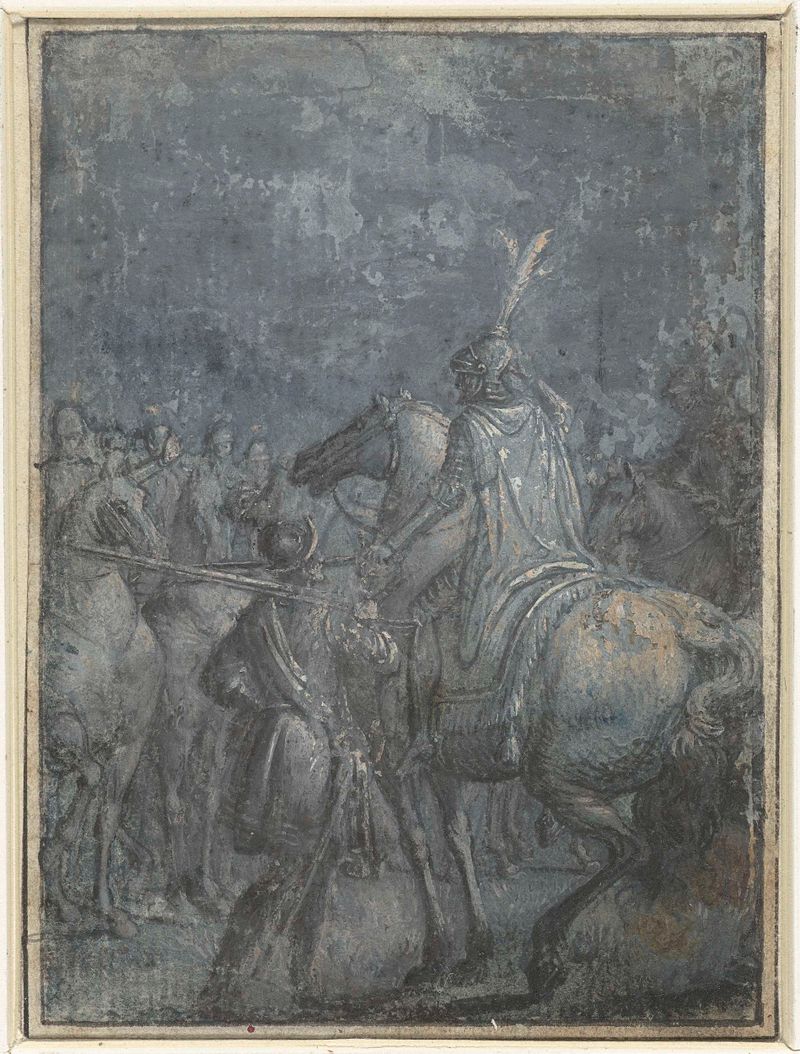
More Historical Art
Browse all →
The Night Watch Militia Company of District II under the Command of Captain Frans Banninck Cocq
Rembrandt van Rijn
Lincoln Memorial
Henry Bacon
The Third of May 1808
Francisco de Goya

Isaac and Rebecca, Known as ‘The Jewish Bride’
Rembrandt van Rijn
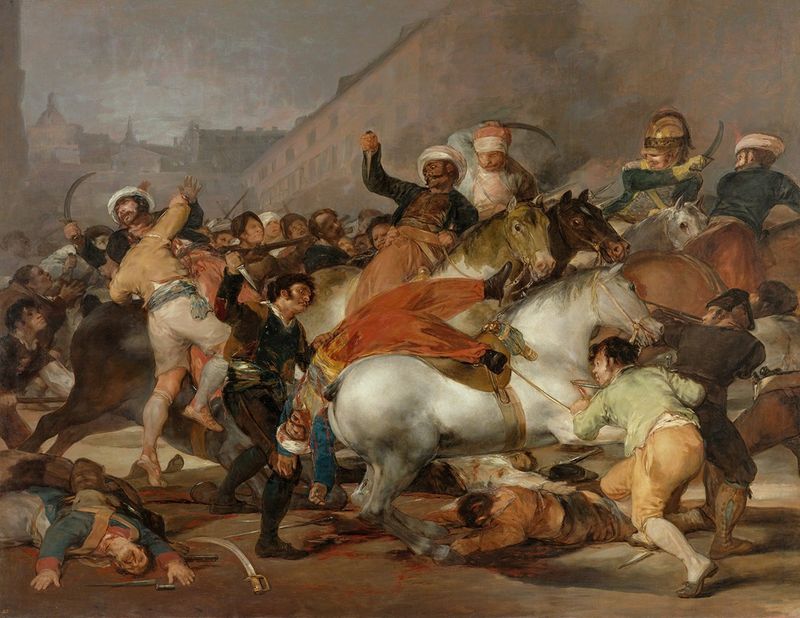
The Charge of the Mamelukes (1814)
Francisco de Goya

De vier ruiters van de apocalyps
Albrecht Dürer