
Bei einem Haus ein großer Baum, vorne drei Figuren und ein Hund — History & Facts
Can beauty exist without sorrow? In the serene world of Bei einem Haus ein großer Baum, vorne drei Figuren und ein Hund, the peaceful tableau subtly hints at the unrest lurking just beyond the frame. Look to the right at the towering, stately tree, its leafy canopy casting dappled shadows over the three figures below. The figures, engaged in quiet conversation, seem immersed in their moment, yet their rigid postures and downturned gazes suggest a deeper unease. The color palette, rich in greens and earth tones, envelops the scene with a comforting embrace, contrasting sharply with the tension of their expressions.
Notice how the sunlight softly bathes their faces, illuminating the quiet joy in their interaction while simultaneously casting long shadows that stretch ominously toward the edge of the canvas. The juxtaposition of light and dark here is profound. The warmth of the sun envelops the figures, creating a false sense of security, yet the tree stands as a silent witness to the inevitable passage of time and change. The dog, seemingly carefree, roams near their feet, embodying fleeting innocence amidst an underlying melancholic reality.
This tension reflects the weight of social and political upheaval during the artist's time, suggesting that even in moments of beauty, sorrow often lingers just below the surface. Lucas van Uden painted this work around 1669, a period when the art world was reflecting shifting societal norms following the upheaval of the Thirty Years' War. Living in Antwerp, his work was influenced by the baroque style, which emphasized emotional intensity and drama. As the landscape genre rose in popularity, van Uden sought to capture not just the beauty of nature but also the human experience entwined with it, creating a dialogue between the idyllic and the unsettling.
More Artworks by Lucas van Uden
Browse all →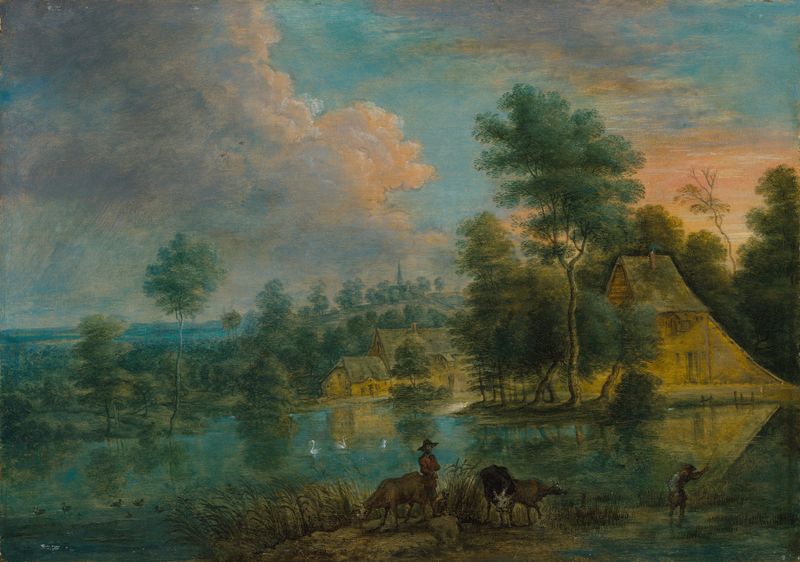
A river landscape with travellers
Lucas van Uden
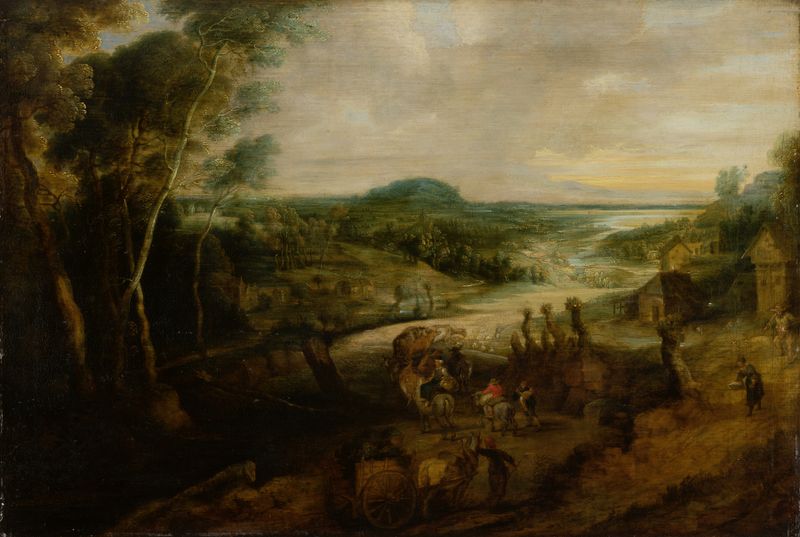
River Landscape with Peasants on the Way to Market
Lucas van Uden
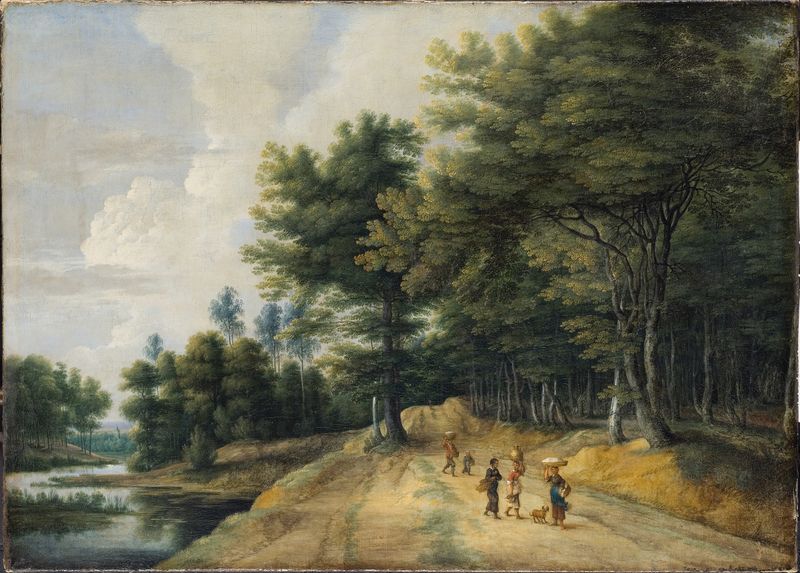
Landscape with a Road through a Wood of Beeches
Lucas van Uden
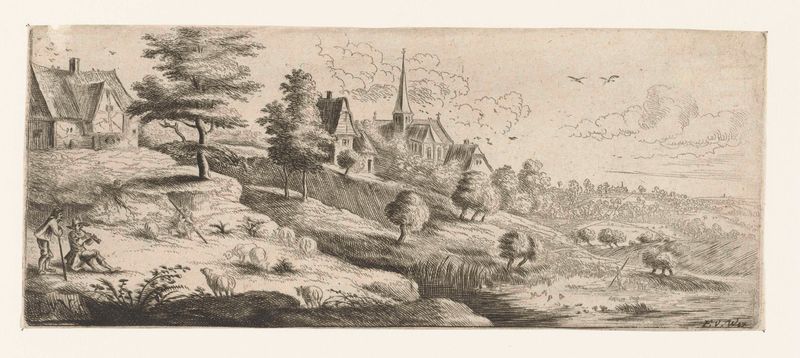
Landschap met een dorp en een schalmei spelende man
Lucas van Uden
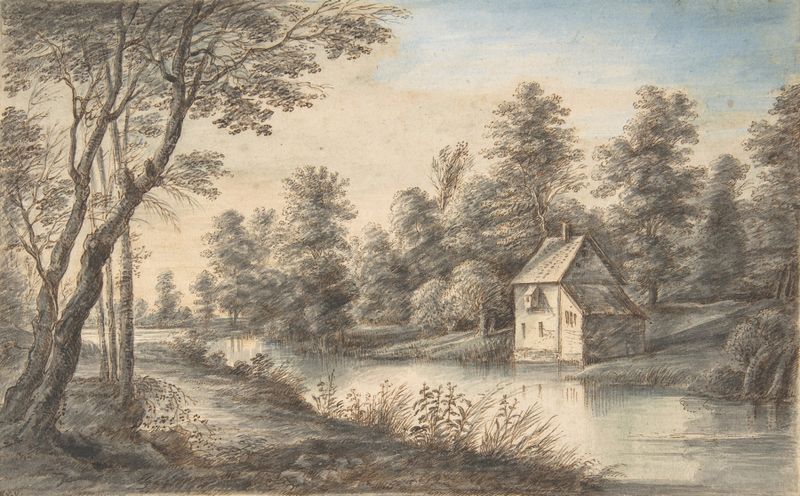
Wooded Landscape with a House beside a River
Lucas van Uden
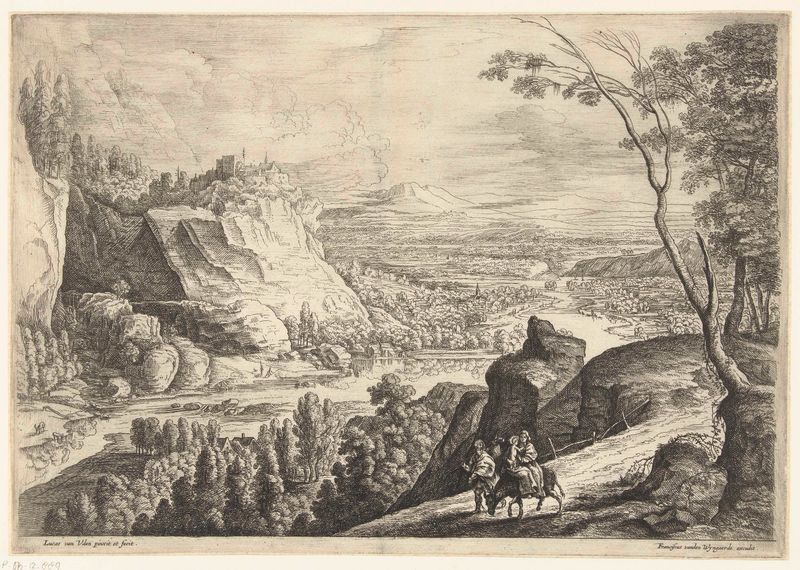
Landschap met de vlucht naar Egypte
Lucas van Uden
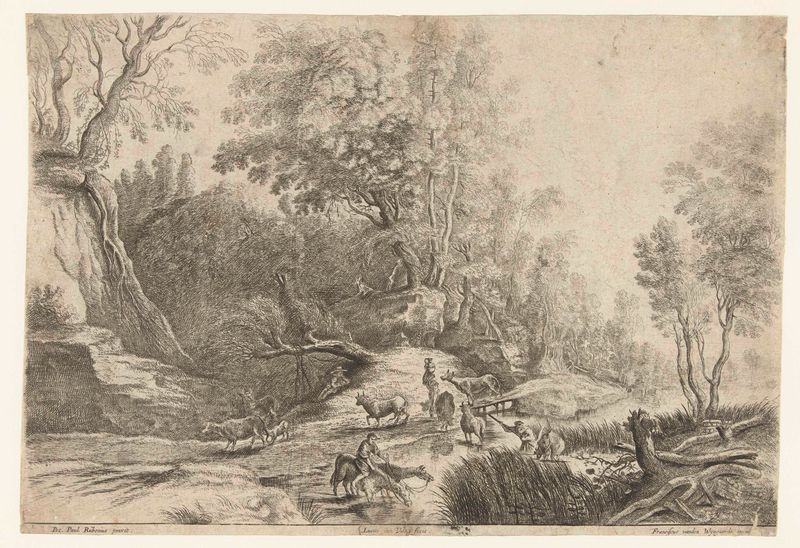
Paarden en koeien bij een drinkplaats
Lucas van Uden
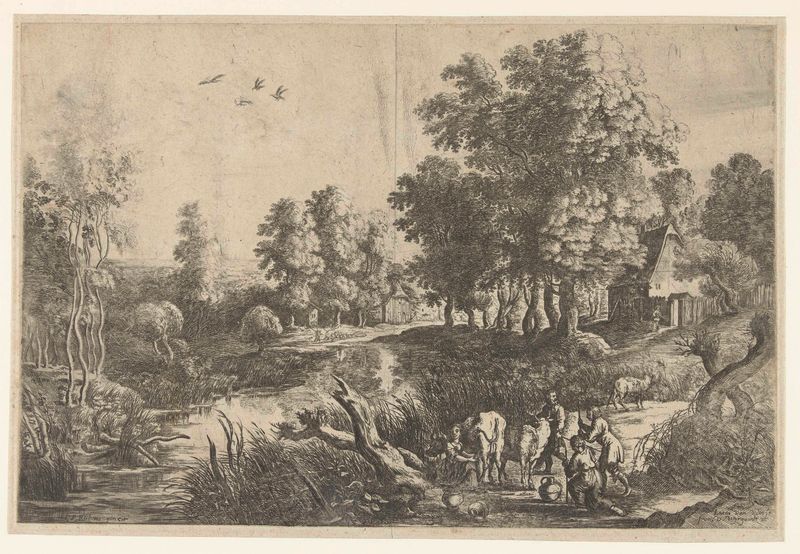
Boeren met vee bij een beek
Lucas van Uden
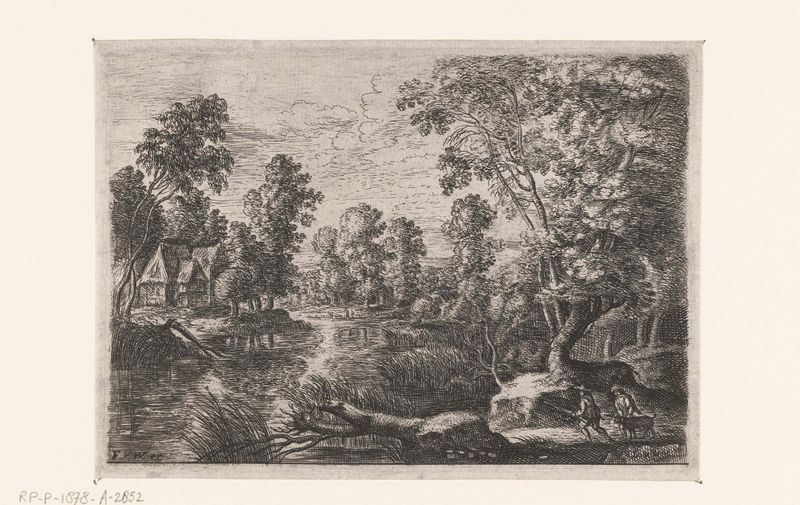
Landschap met een beek en een jager
Lucas van Uden
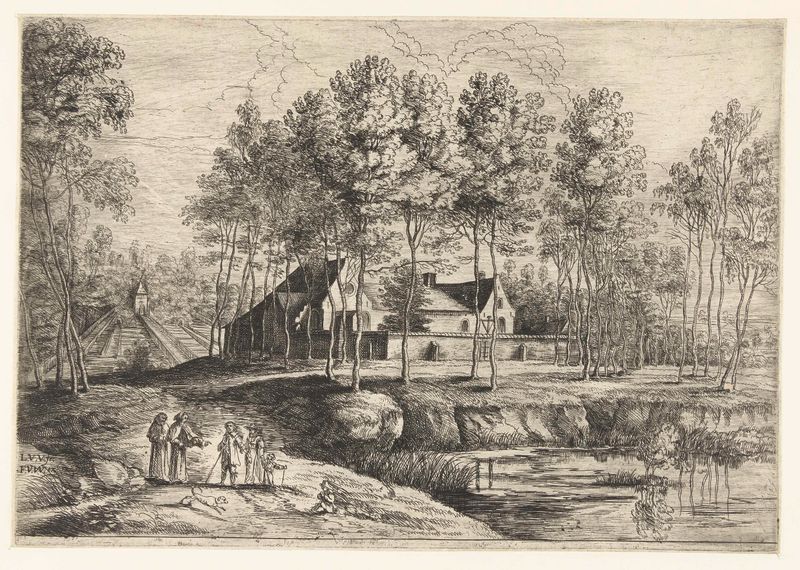
Gezicht op het kapucijnenklooster te Tervuren
Lucas van Uden





