
Benares — History & Facts
In a fleeting moment of serenity, we discover the profound stillness at the heart of chaos. The canvas invites us to pause, inhale, and reflect on the beauty often masked by life's turbulence. Look to the bottom right, where the gentle undulations of the river reflect the soft hues of dawn. Notice how the warm oranges and golds merge seamlessly with the cool blues and greens of the water, creating a harmonious balance that calms the spirit.
The boats, mere silhouettes against the glow, are anchored in tranquil anticipation, their stillness a counterpoint to the ever-flowing Ganges. The brushwork, delicate yet confident, captures the essence of movement while holding still the moment. Delve deeper into the contrasts within this work: the ephemeral nature of light against the permanence of the sacred city, the stillness of the boats juxtaposed with the flowing river, symbolic of the passage of time. Each element speaks to the coexistence of life and spirituality, inviting contemplation on the relationship between humanity and nature.
The serene landscape serves as a reminder of the peace that lies beneath the surface of our daily lives. Nicholas Chevalier crafted this piece between 1870 and 1871 during his travels in India. At that time, he was deeply influenced by the vibrant culture and rich landscapes he encountered. The world of art was shifting, embracing new perspectives and influences, and in this context, Benares stands as an exquisite testament to the intersection of observation, emotion, and the sublime beauty of a spiritual locale.
More Artworks by Nicholas Chevalier
Browse all →
Coast near Dunedin
Nicholas Chevalier
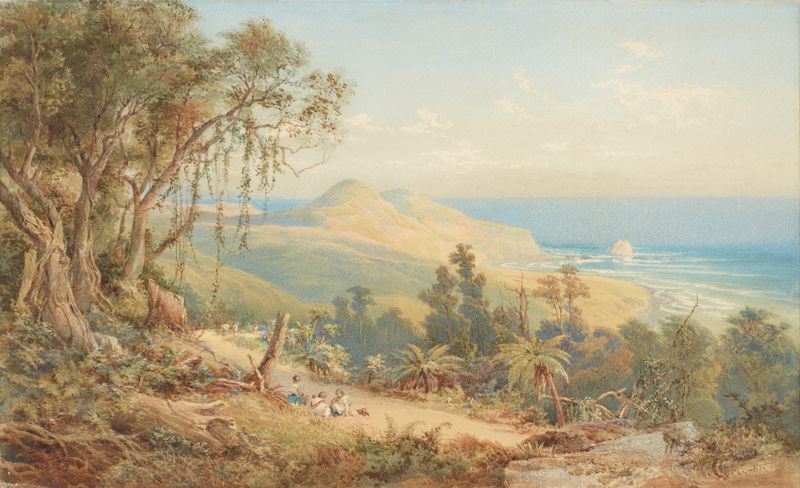
Sandfly Bay, Otago
Nicholas Chevalier

Buckler Burn at the head of Wakatipu Lake
Nicholas Chevalier

Mr MacKellar’s Station, the Waimea Plains, Southland
Nicholas Chevalier
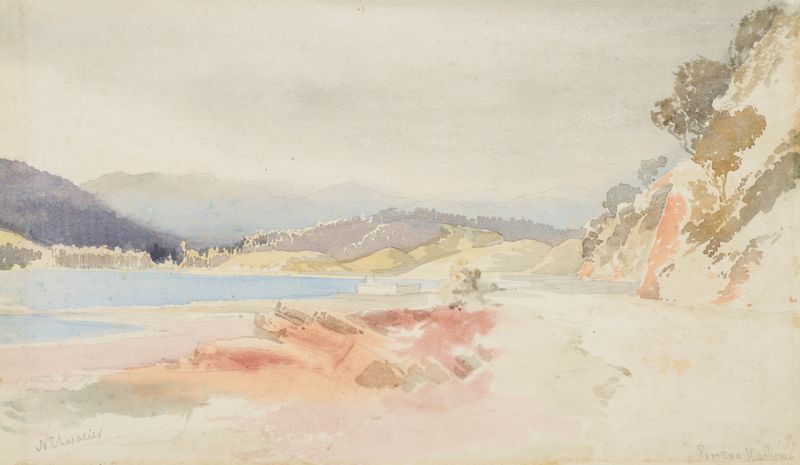
Porirua Harbour
Nicholas Chevalier
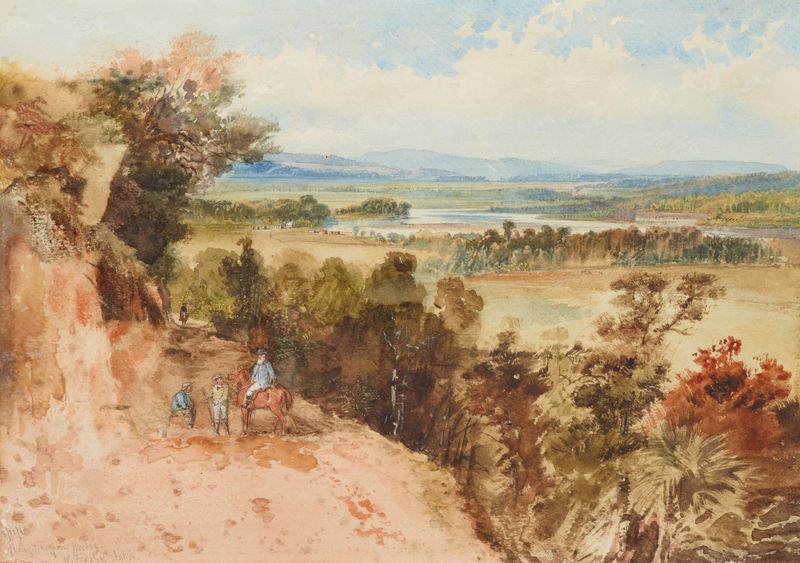
Rangitikei from Westoe, W. Fox Esq’s Station
Nicholas Chevalier

The Upper Rangitikei
Nicholas Chevalier
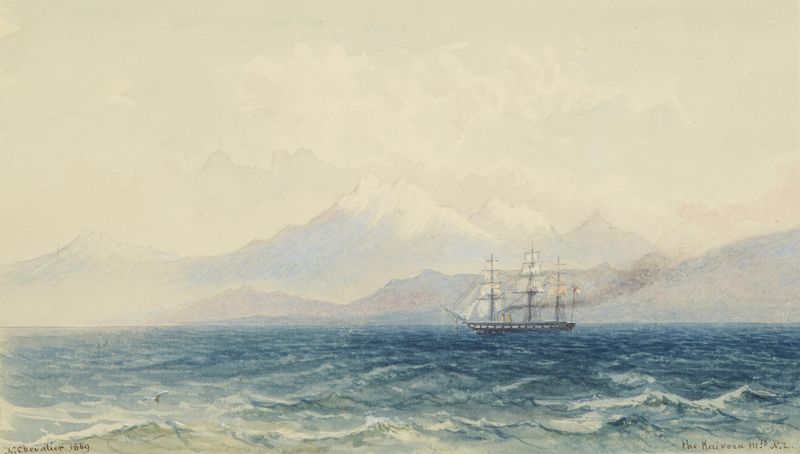
The Kaikoura Mountains, N.Z.
Nicholas Chevalier

Upper Hutt Valley
Nicholas Chevalier

The Tararua Mountains and the Waipoua River
Nicholas Chevalier





