Berghof — History & Facts
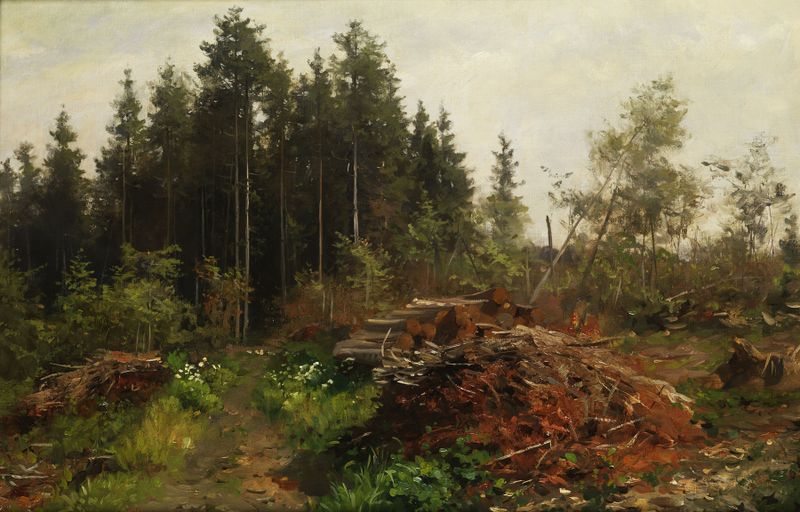
Can beauty exist without sorrow? In Berghof, vibrant hues dance together, whispering secrets of joy and melancholy intertwined, inviting introspection. Look to the foreground, where lush greens and vivid reds command attention, drawing the viewer into a world both serene and tumultuous. The artist's brushstrokes create a layered texture, suggesting the spontaneity of nature and the passage of time. Notice how the sunlight filters through the trees, casting intricate shadows that weave through the scene, while the distant hills recede into a warm, golden embrace.
Each color choice is deliberate, emboldening the emotional resonance of the landscape, contrasting the vibrancy of life against the serene stillness of the moment. Hidden within the strokes are the tensions of existence; the verdant landscape is both a celebration of nature's beauty and a reminder of its ephemerality. The interplay of light and shadow hints at life's duality, suggesting that within every joy lies a touch of sorrow. The vibrant foreground blossoms with life, while the cool, somber undertones of the background evoke a sense of longing or nostalgia, inviting the viewer to reflect on their own relationship with beauty and loss. Fritz Freund created Berghof in 1909 during a period of artistic exploration and awakening in Europe.
He was deeply influenced by the rise of Impressionism and the shifts occurring in the art world surrounding him. At this time, Freund was developing a unique style that embraced color and emotion, capturing landscapes that reflected both the external world and the inner workings of the human spirit.