Waldlandschaft — History & Facts
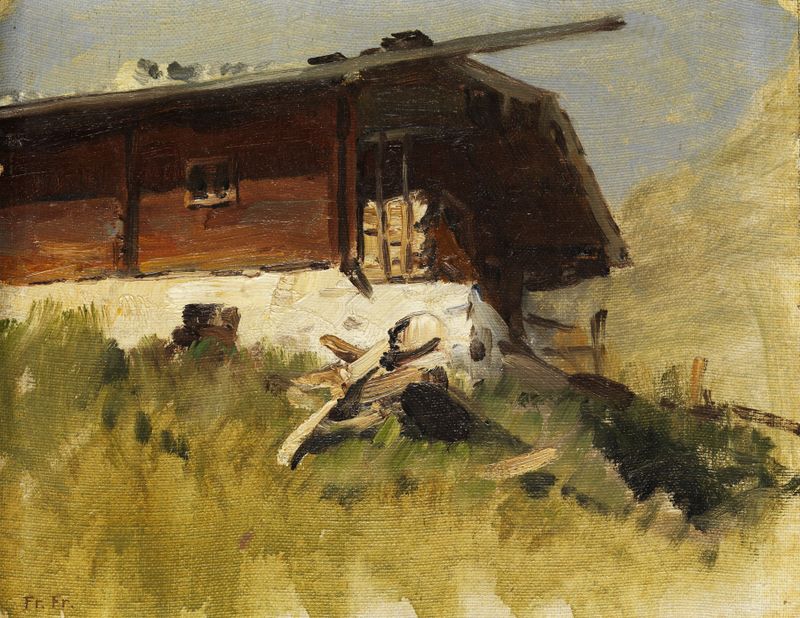
When did color learn to lie? In the interplay of hues and shadows, nostalgia becomes a deceptive whisper, urging us to believe in the past. Look to the left at the deep greens, where nature’s foliage embraces the light, a stark contrast against the cooler blues of the distant landscape. Notice how the brushstrokes pulse with life, each stroke meticulously layered to evoke a sense of depth and tranquility. The sky, rendered with soft pastels, serves as both backdrop and character, cradling the scene in a gentle embrace.
The light dances, creating a luminous pathway that draws the eye into the heart of the forest. Beneath the serene exterior lies an emotional tension between the wild and the cultivated. The painter’s choice of soft yet vivid colors evokes a sense of longing, hinting at memories embedded within the landscape. There’s an implied contrast between the vibrant life of the trees and the stillness of the water, reflecting the duality of human experience—both thriving and contemplative.
Each element, from the rustling leaves to the serene reflections, speaks to a world that is both familiar and elusive, as if time itself has folded into the tranquility of this moment. Fritz Freund created Waldlandschaft during a time when modernist influences were reshaping the art world. Active in the early to mid-20th century in Europe, Freund’s work often explored nature's serene beauty, reflecting both personal and collective emotions amidst the chaos of the era. His oeuvre encapsulates the transition from traditional landscapes to a more nuanced interpretation of our relationship with the environment, emblematic of a world on the cusp of change.