
Bergisel — History & Facts
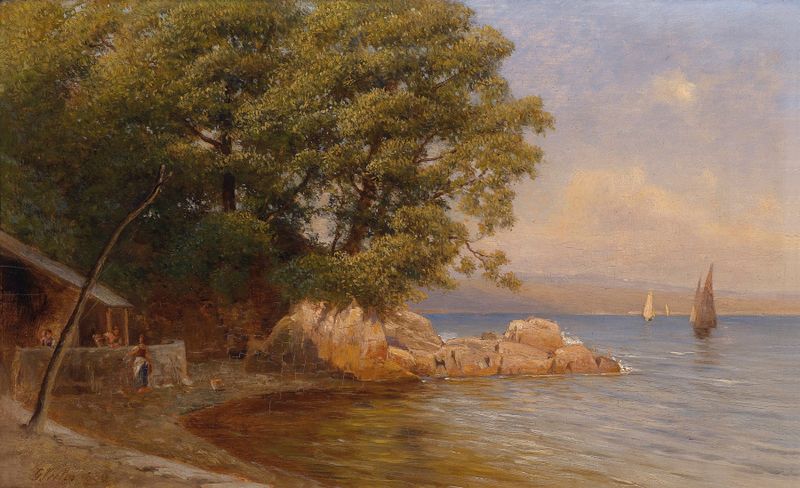
Is this a mirror — or a memory? In Bergisel, the ethereal landscape melds reality and dream, inviting the viewer to ponder the boundaries between the two realms. Look to the center, where a luminous horizon stretches wide, blurring the line between earth and sky. The soft pastel colors create an atmosphere that feels both inviting and elusive, drawing you into the depth of the scene. The delicate brushwork gives a sense of movement, as if the clouds are whispering secrets to the peaks below.
Every stroke seems to echo with emotion, and the play of light reveals hidden pathways along the mountainsides, suggesting journeys both physical and spiritual. The interplay of light and shadow evokes a tension that speaks to the transient nature of experience. Notice how the vibrant greens of the valleys contrast with the cool blues of the sky, representing the duality of joy and melancholy inherent in life’s journey. The distant peaks, cloaked in mist, symbolize aspirations and dreams, while the foreground roots the viewer in the present, prompting contemplation of personal history and collective memory. Gottfried Seelos created Bergisel in 1880 during a period of personal reflection and artistic exploration.
Living in a time when the Romantic movement was transitioning into Realism, he sought to capture not just the beauty of the Alpine landscape but also the profound emotions it conjured. The painting reflects the broader cultural shift towards valuing individual perception, making it a significant piece in the landscape of 19th-century art.
More Artworks by Gottfried Seelos
Browse all →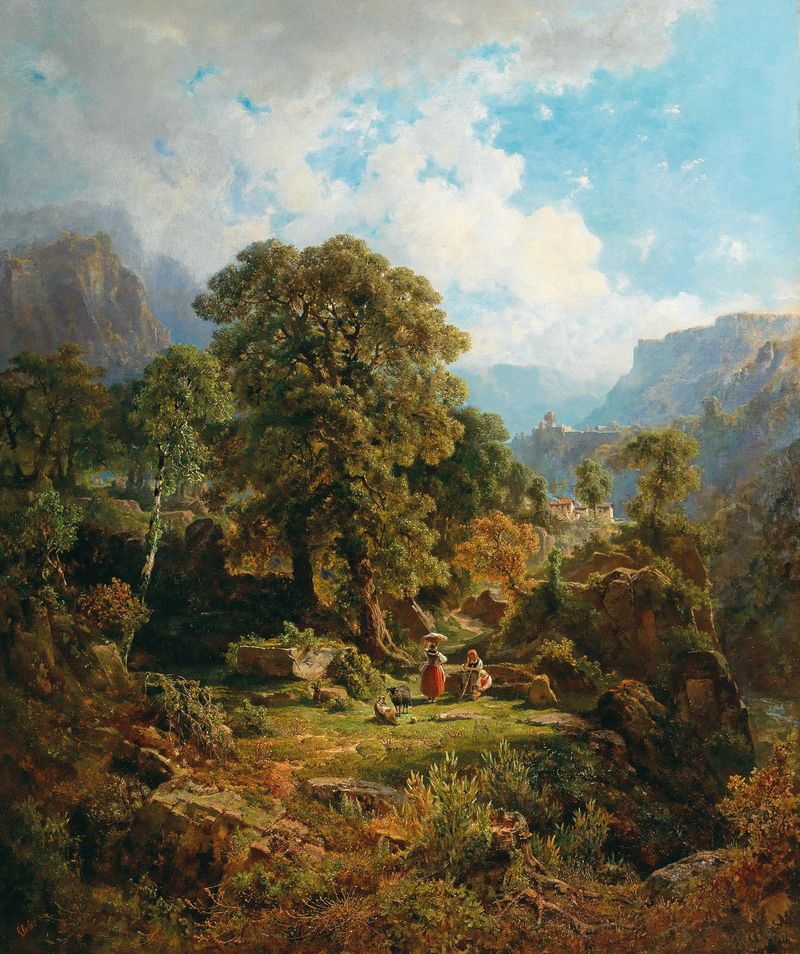
A landscape in the Fassa Valley, South Tyrol
Gottfried Seelos

A landscape near Sebetov Castle
Gottfried Seelos

Schlern mit Rosengarten von Rampeun aus gesehen
Gottfried Seelos
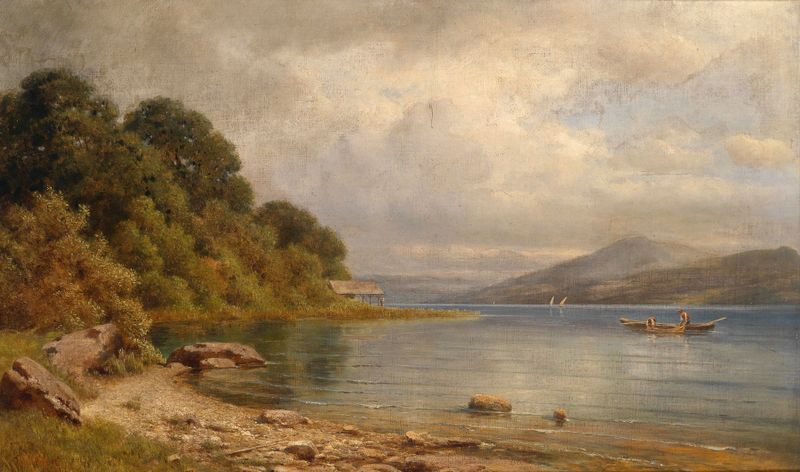
Wörthersee bei Velden
Gottfried Seelos
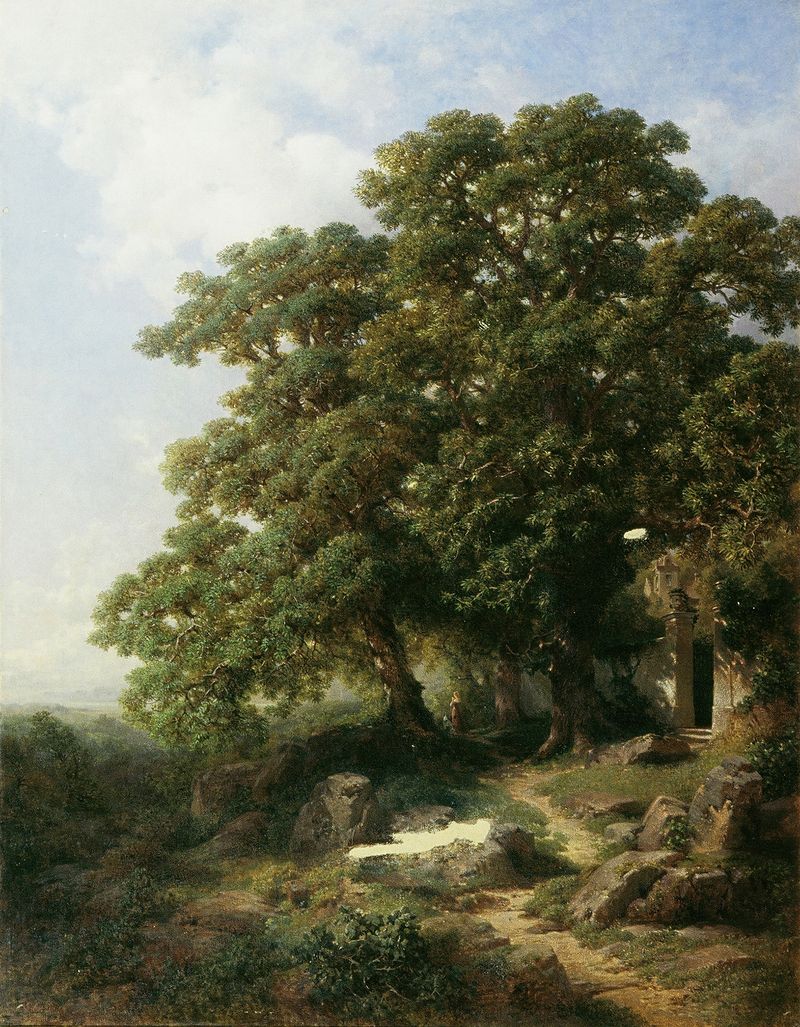
Kastanien in Südtirol
Gottfried Seelos
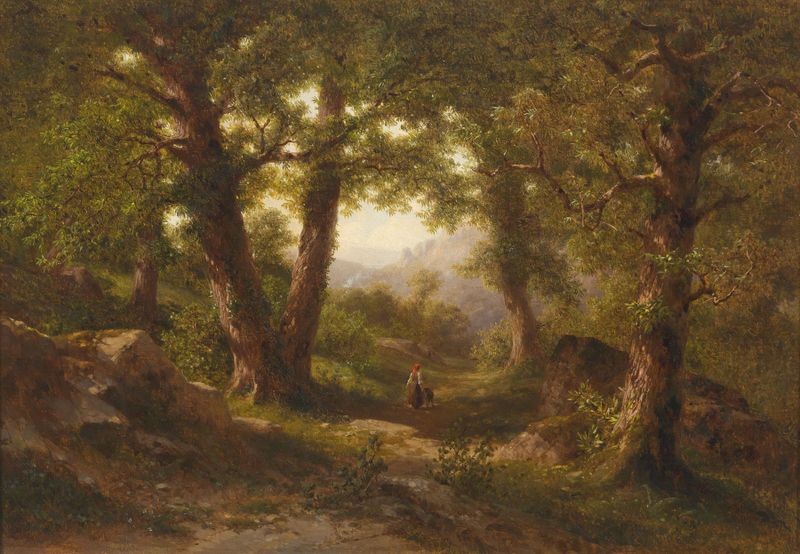
Kastanienhain
Gottfried Seelos

Landscape in the South Tyrol and figure staffage with Mendel mountain in the background
Gottfried Seelos

A blooming landscape, presumably in the Adige valley (Etschtal) near Bolzano
Gottfried Seelos

A southern coastline, surrounded by a mountain range
Gottfried Seelos
An der Küste
Gottfried Seelos





