
Berthe van gemengde kant met neo-rokoko-rocailles — History & Facts
What if beauty was never meant to be finished? This thought lingers in the air as one gazes at the intricate layers of a work that embodies both fragility and strength, revealing a world where art dances on the precipice of completion. Focus on the delicate lacework that adorns the garment, a testament to the artist’s meticulous craftsmanship. Look closely at the swirling neo-Rococo motifs that weave through the fabric, their intricate patterns inviting the eye to trace their winding paths. The soft, muted palette of cream and pastel tones adds to the ethereal quality, allowing light to play gently across the surface, creating a sense of movement as if the piece might come alive at any moment. Beneath the surface, the tension between opulence and simplicity reveals a deeper commentary on the nature of beauty and femininity in the late 19th century.
The lavishness of the neo-Rococo style juxtaposed with the understated elegance of the garment suggests a desire to reclaim traditional ideals while navigating the shifting societal roles of women. Each fold and drape hints at the constraints of fashion, embodying a silent rebellion against the confines of an era that sought to define womanhood. This artwork emerged during a time of artistic transition, as the late 19th century saw the rise of Impressionism and a departure from strict academic styles. Created between c.
1890 and c. 1909, it represents a moment where artisans sought to merge the ornate with the innovative, reflecting both personal and collective aspirations in art. The identity of the artist may remain unknown, but their vision captures a significant cultural dialogue that resonates even today.
More Artworks by Unknown Artist
Browse all →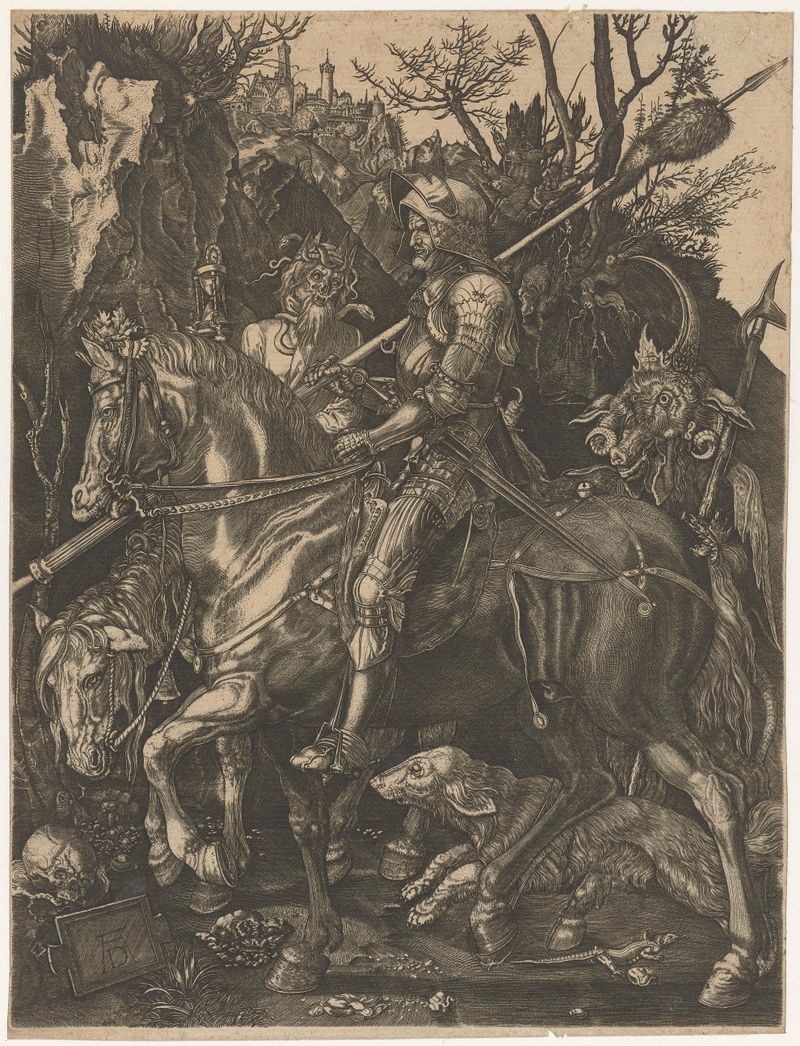
Ridder, Dood en Duivel
Unknown Artist
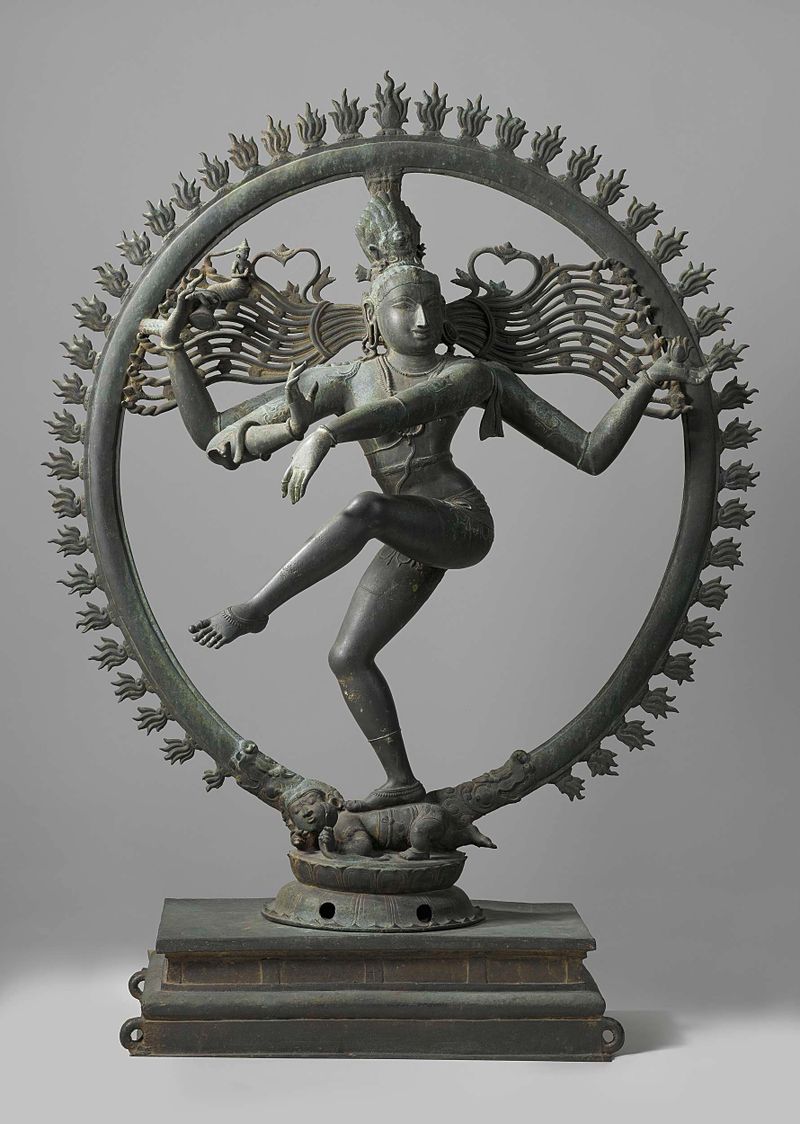
Shiva Nataraja
Unknown Artist
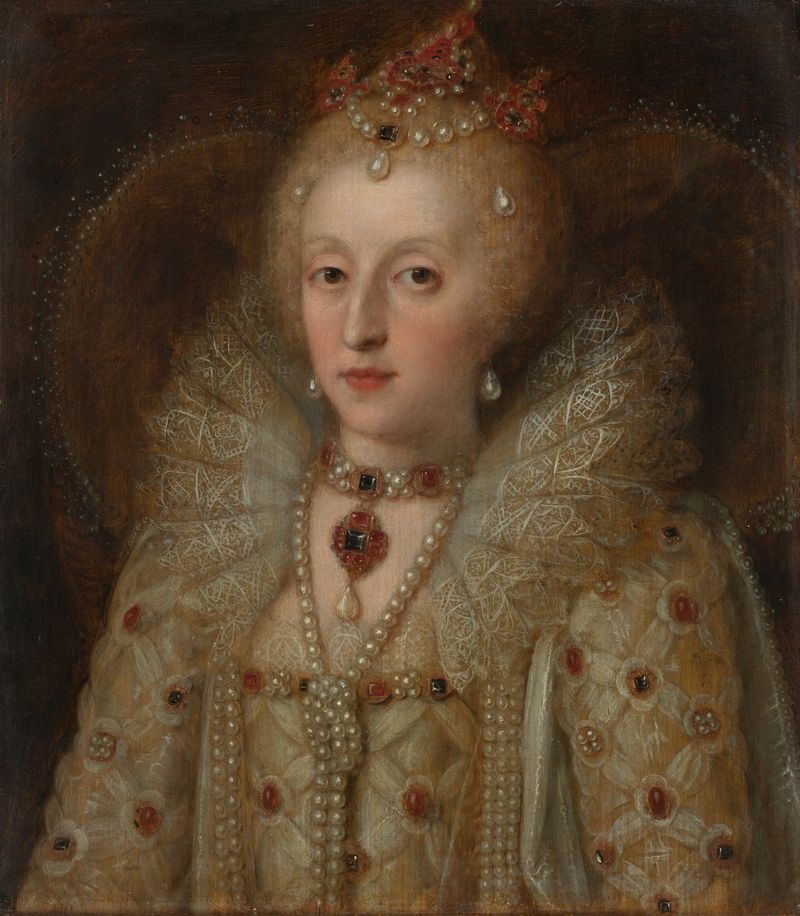
Portrait of Elizabeth I, Queen of England
Unknown Artist
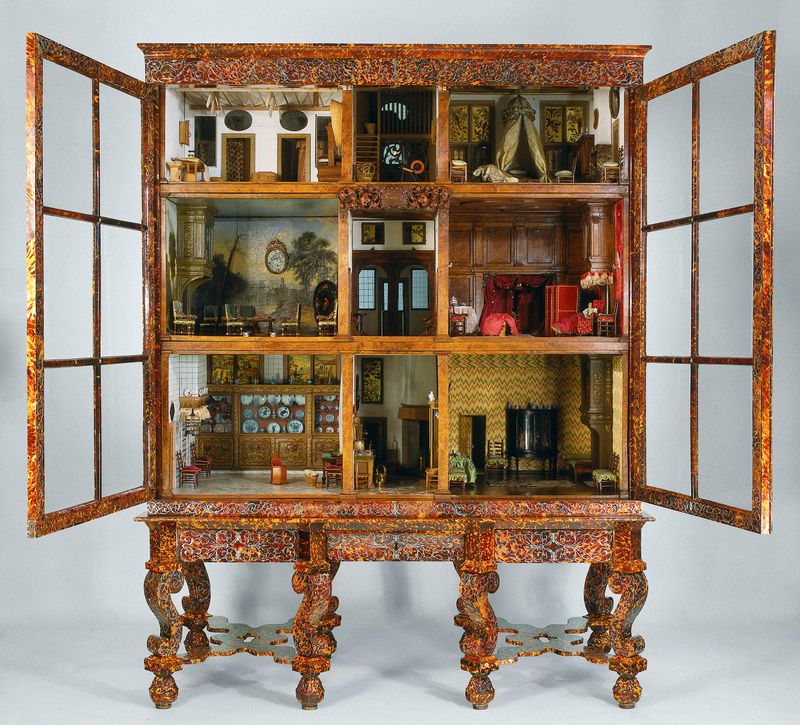
Dolls’ house of Petronella Oortman
Unknown Artist
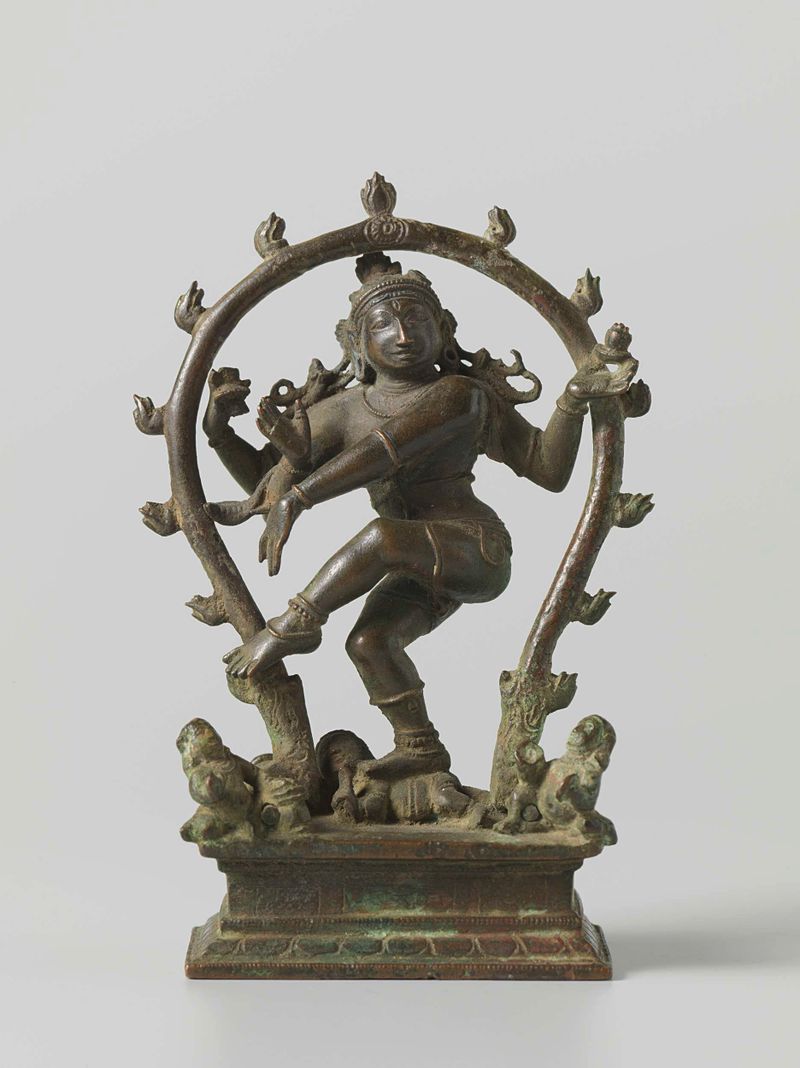
Shiva Nataraja
Unknown Artist

The Tale of Genji
Unknown Artist

The Tale of Genji
Unknown Artist
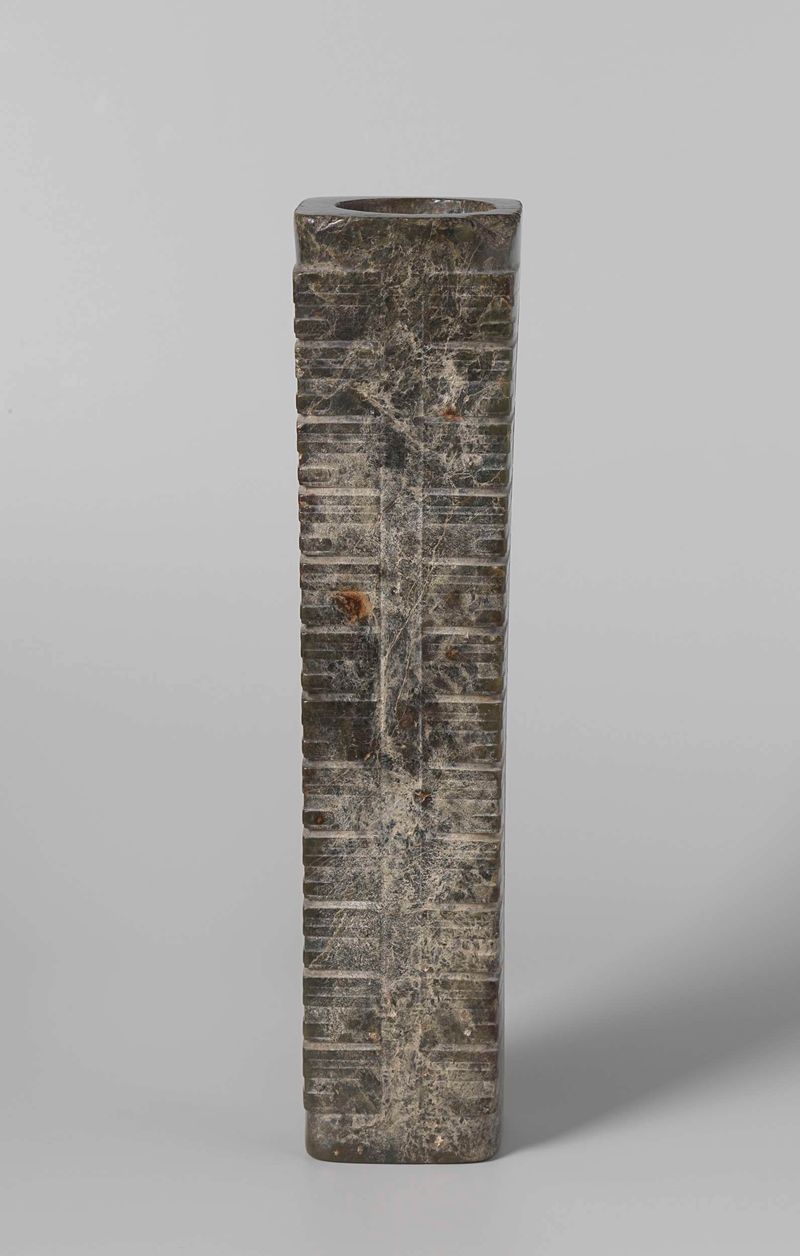
Cong
Unknown Artist
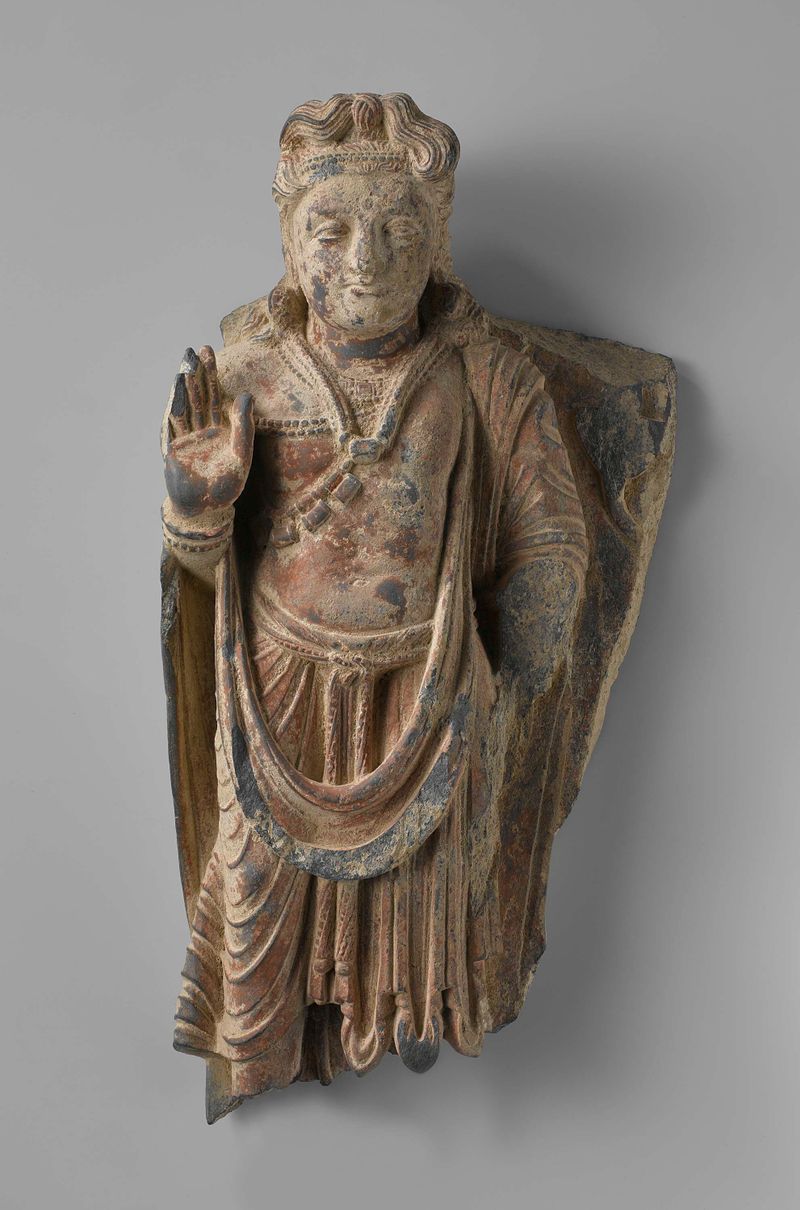
The bodhisattva Maitreya
Unknown Artist
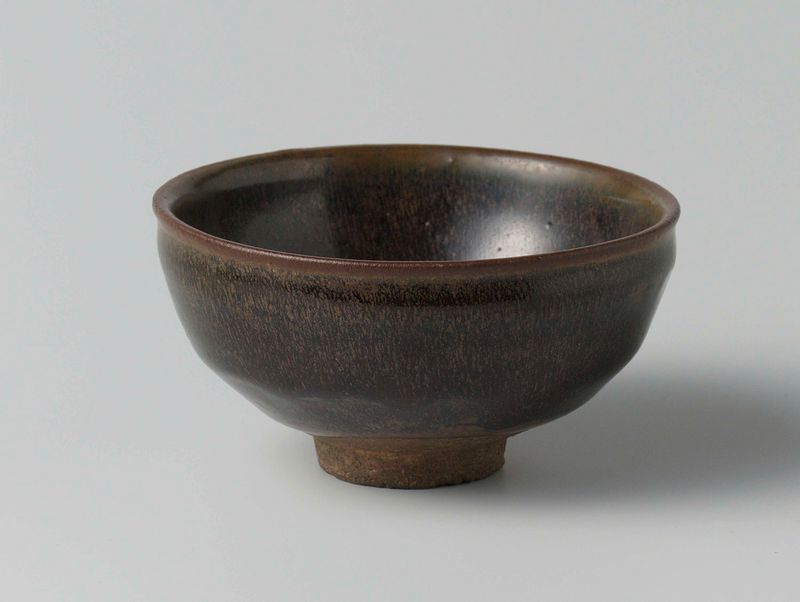
Teabowl with a 'hare's fur' glaze
Unknown Artist





