
Besnijdenis van Christus — History & Facts
Could beauty survive in a century of chaos? The question lingers like a haunting melody, echoing through the corridors of time and art. Focus on the gentle interplay of light and shadow as it caresses the figures, drawing you into their shared moment of profound ecstasy. Notice how the vibrant reds and soft whites of the garments contrast with the cool tones of the background, illuminating the intensity of the scene. As the surrounding figures offer their reverent presence, every brushstroke narrates a story, inviting the viewer to witness the intricate details of this sacred ritual. Delve deeper into the expressions of awe and serenity etched upon the faces of the attendees.
The contrast between the joyous act and the solemnity of the setting speaks to an emotional tension that underscores the significance of the moment. The hands, outstretched in both reverence and anticipation, reveal the ecstatic nature of this religious experience, intertwining the sacred with human emotion. It is a scene not merely of ritual but of connection—between the divine and the earthly, the ecstatic and the tranquil. Hans Sebald Beham painted this work during a turbulent time in early 16th-century Europe, between 1510 and 1550, when artistic innovation flourished amidst political upheaval.
As part of the Northern Renaissance, he was influenced by both the changing religious landscape and the burgeoning movement of humanism. This period saw a remarkable shift in artistic expression, allowing for more intimate portrayals of spiritual events, which Beham embraced in his work.
More Artworks by Hans Sebald Beham
Browse all →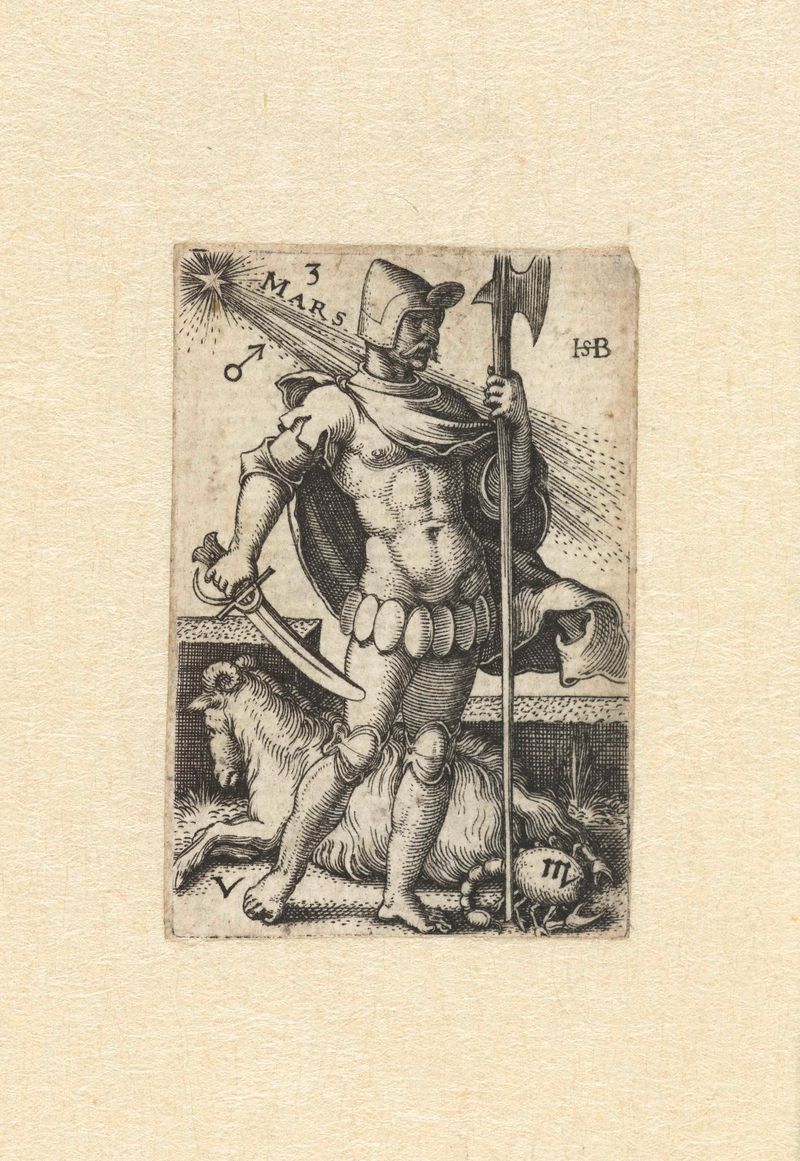
Mars met sterrenbeelden Ram en Schorpioen
Hans Sebald Beham

Achilles in gevecht met Hector
Hans Sebald Beham
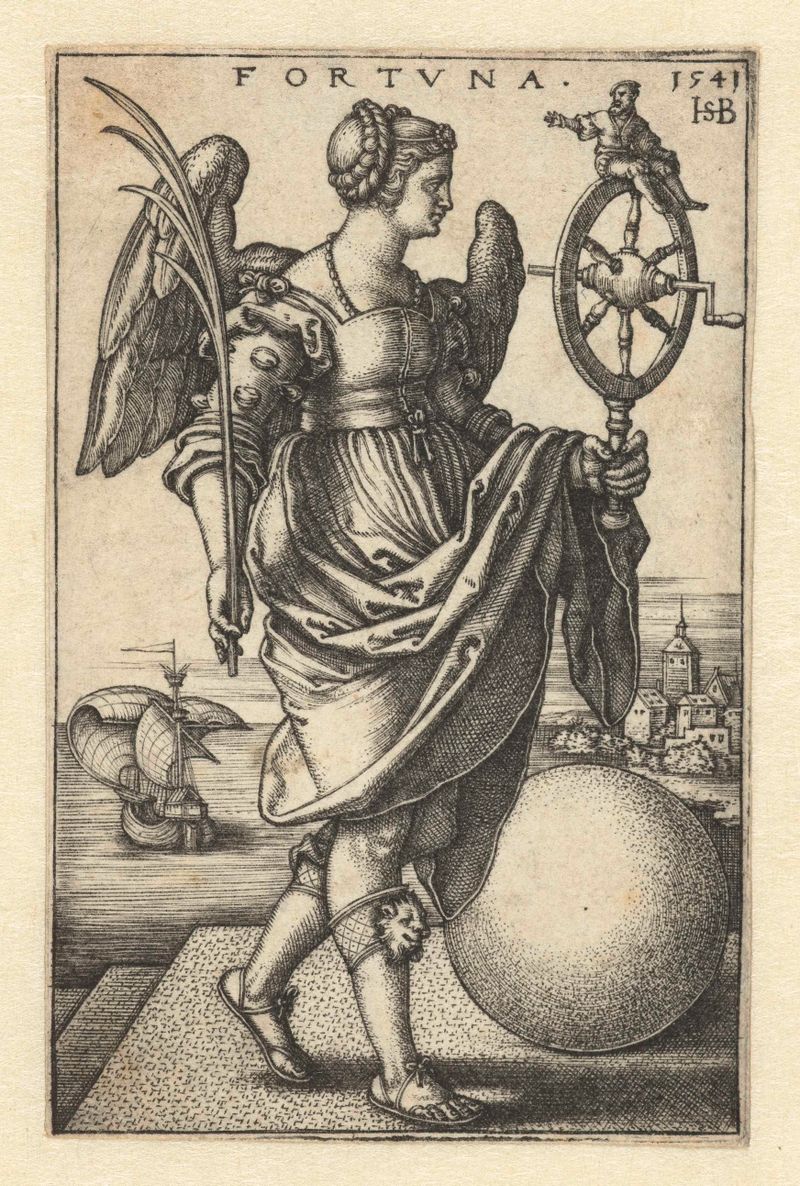
Fortuna
Hans Sebald Beham

Hercules worstelt met Antaeus
Hans Sebald Beham

Twee muzikanten met schalmey en doedelzak
Hans Sebald Beham

Voorzichtigheid (Prudentia)
Hans Sebald Beham

Hercules in gevecht met de Trojanen
Hans Sebald Beham
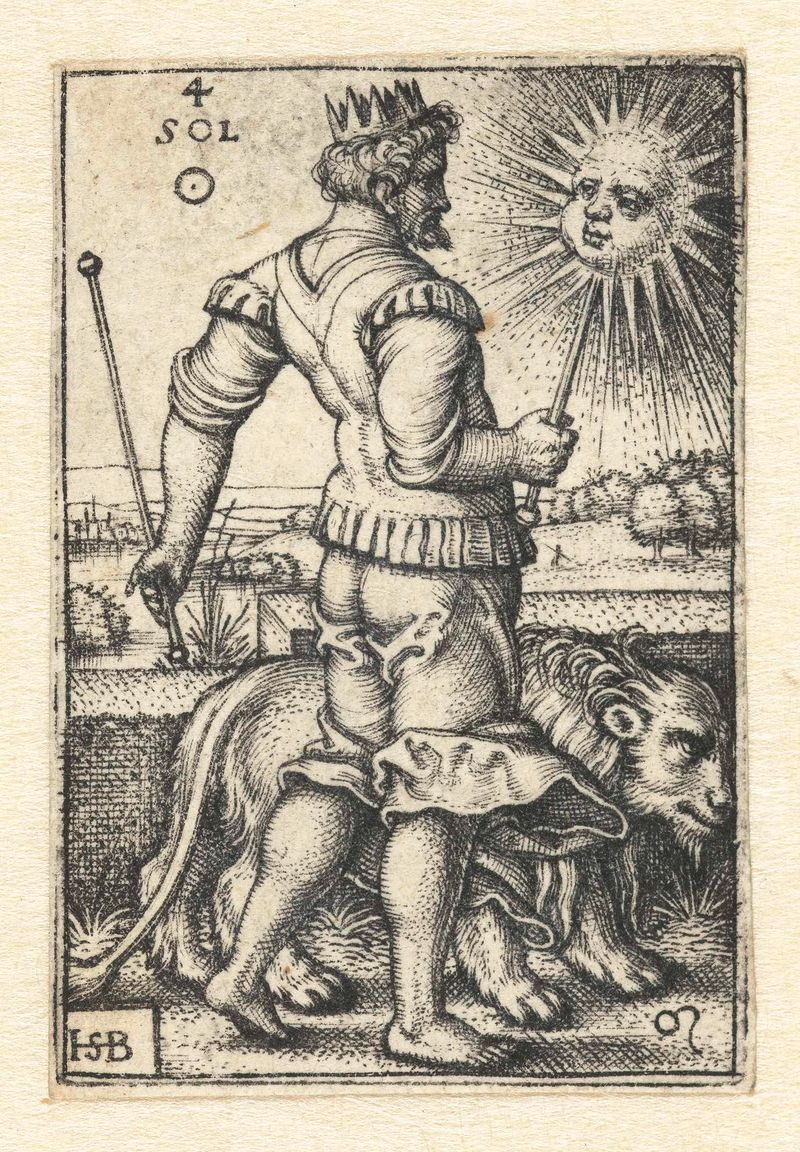
Apollo (Sol) met sterrenbeeld Leeuw
Hans Sebald Beham
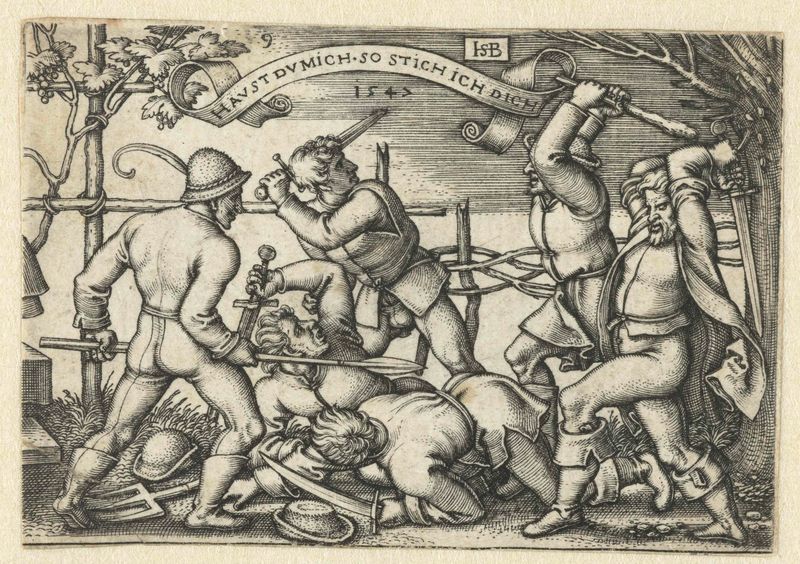
Vechtende boeren met zwaarden
Hans Sebald Beham
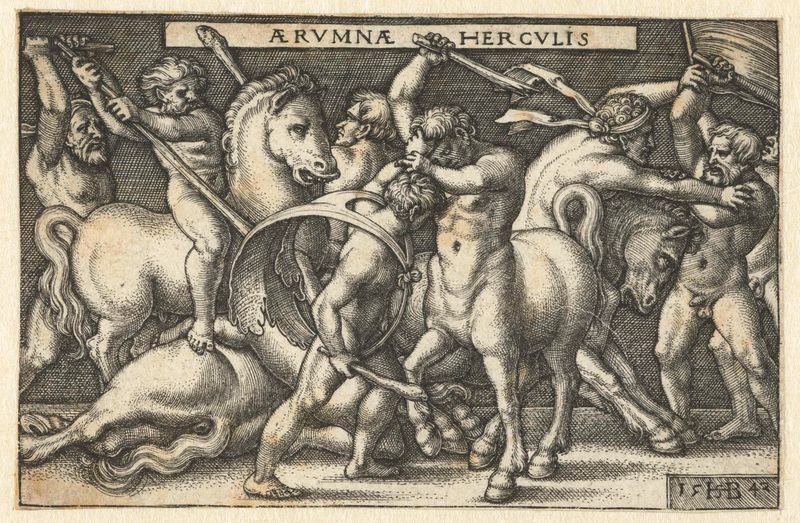
Hercules in gevecht met centaurs
Hans Sebald Beham
More Religious Art
Browse all →
The Return of the Prodigal Son
Rembrandt van Rijn

The Garden of Earthly Delights
El Bosco

Count Orgaz’ funeral
El Greco

The Hundred Guilder Print: the central piece with Christ preaching, the plate arched
Rembrandt van Rijn

The Descent from the Cross
Rogier van der Weyden

The return of the prodigal son
Rembrandt van Rijn